Skip to Content Skip to Footer
LiveWell WIC logo
Livewell Wic
  • Home
  • Ellyn Satter
    • Ellyn Satter
      Prenatal / Postpartum
    • Ellyn Satter
      Newborn / Infant
    • Ellyn Satter
      Older Baby / Almost Toddler
    • Ellyn Satter
      Toddler / Preschooler
  • Breastfeeding
  • Eat·Grow·Live Healthy
    • Eat·Grow·Live Healthy
      Women
    • Eat·Grow·Live Healthy
      Infants
    • Eat·Grow·Live Healthy
      Children
    • Eat·Grow·Live Healthy
      Fathers
  • Live Well Blog
  • Español

Are you a vegetarian? Is your child?

  • Home
  • Ellyn Satter
  • Prenatal / Postpartum
  • Frequently Asked Questions
  • Are you a vegetarian? Is your child?
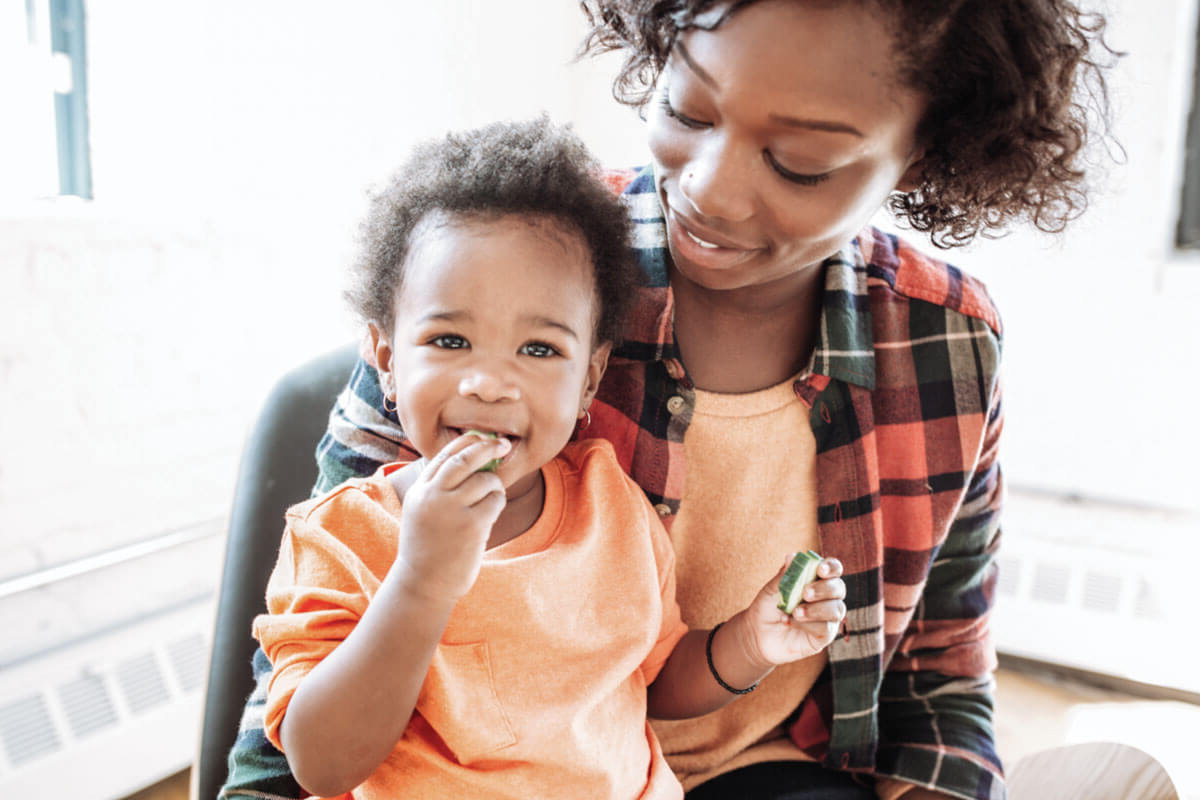
Child eating cucumber on woman's lap, both smiling.

Why are you a vegetarian?

Is it because you think it is healthier?

Is it because you don’t like beef or pork?

Do you still eat chicken or fish?

Both adults and children do well on a vegetarian diet that includes milk, cheese, and eggs. It is lots harder to do well on vegan diets, which cut out all animal products. If you follow a vegan diet, be sure to ask your health worker about taking a B12 supplement and giving one to your child.

Giving your child enough calories and iron is the hardest part. Use fat in cooking and include butter and salad dressing at meals. Include foods that give iron, like cooked dried beans, whole and enriched grains, and fruits and vegetables.

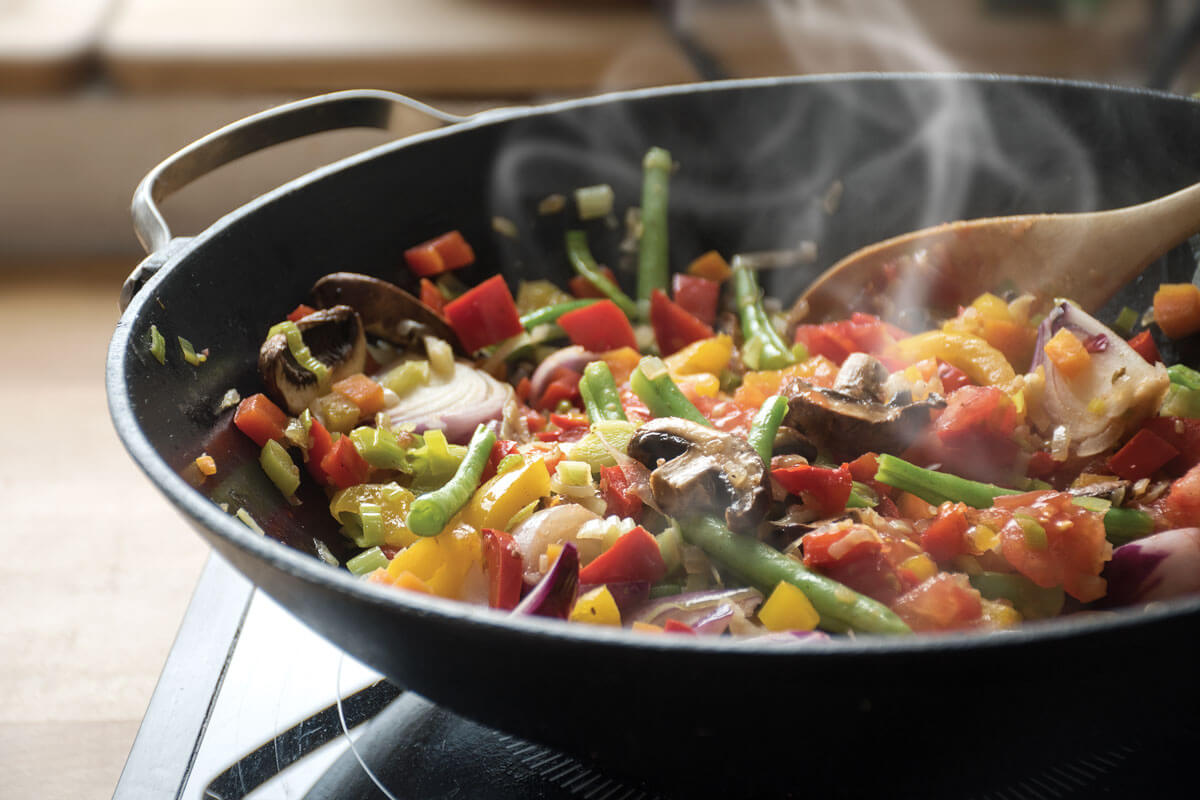
Vegetables sizzling in a pan on stovetop.

Here’s how to put together a good meatless meal:

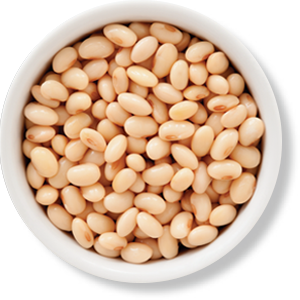
Bowl of white beans, viewed from above.

Protein source

Have dried beans, peas or lentils, nuts, seeds, nut butters, and soy-based meat substitutes for the meat, fish, and poultry. These foods give iron, as well. Eggs are high in protein. So is cheese. If you have cereal and milk for breakfast, milk can be the protein. Mash beans for young children. Don’t give young children whole or chopped nuts or seeds. They could choke.

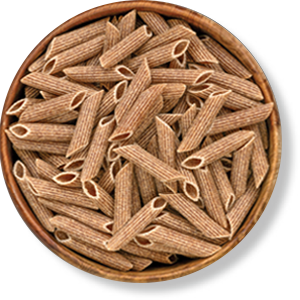
Whole wheat pasta in a wooden bowl.

Grains and starchy foods

Have bread and another starchy food at every meal so your child can eat them if all else fails! Choose enriched or whole grain breads, rice, and noodles to give iron. Look for the words “whole wheat [or other whole grain] flour” when buying breads. Give children whole grain no more than half the time. Children don’t do well if they eat too much fiber. Have potatoes or corn. Potatoes and corn are not grains, but they are starchy and easy to learn to eat.

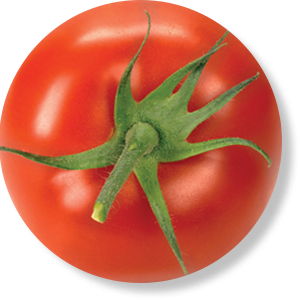
Red tomato with green stem on white background.

Fruit or vegetable or both

Canned, frozen, fresh, or juice are all okay. These give vitamins and minerals, including iron. Have orange juice or tomatoes with meals. Vitamin C helps use the iron in other food. Fruits and vegetables don’t give you protein. You need a protein source even if you eat a lot of vegetables.

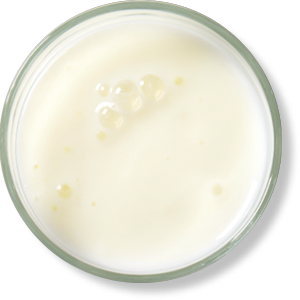
Glass of milk with bubbles on surface.

Milk

Whole or 2% milk is important as a source of fat on meatless diets. Children especially need the fat in milk. Ask your nutritionist if your soy milk has as much protein, calcium, and vitamin D as milk. Soy formula is okay.

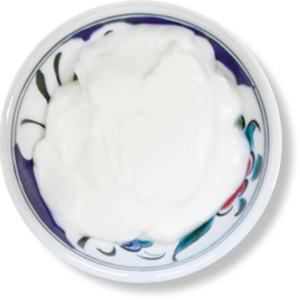
Bowl of creamy yogurt on decorative plate.

Butter, margarine, salad dressing, oil in cooking, vegetable dip, sauces, and gravy

Put them on the table and let everyone eat as much or as little as they want. That way everyone gets the calories they need. Use fat in cooking.
You May Also Like...

Fat in family meals

Fat in family meals Share to social Share How do you feel about fat in your meals? How do you feel about fat in your child’s meals? Do you worry…

Read More

If you or your child don’t eat vegetables

If you or your child don’t eat vegetables Share to social Share Your child will eat vegetables if you do. Do you enjoy vegetables? Did your parents eat vegetables? What…

Read More

If you or your child don’t drink milk

If you or your child don’t drink milk Share to social Share Your child will drink milk if you do. Do you drink milk? Why? Why not? Do you want…

Read More

© Ellyn Satter

LiveWell WIC program logo

Contact Us

USDA is an equal opportunity provider, employer, and lender.

Cookie PolicyAbout UsPrivacy PolicyTerms of Agreement

© Brush Art Corporation

  • Email
  • SMS
If you are using multiple emails, separate them with commas.

    SMS Communication Consent

    Share

    Share this link via:

    Cartoon vegetables with leafy tops gather playfully together.

    Side-Lying Hold

    1. For the right breast, lie on your right side with your baby facing you.
    2. Pull your baby close. Your baby’s mouth should be level with your nipple.
    3. In this position, you can cradle your baby’s back with your left arm and support yourself with your right arm and/or pillows.
    4. Keep loose clothing and bedding away from your baby.
    5. Reverse for the left breast.

    This hold is useful when:

    • You had a C-section
    • You want to rest while baby feeds
    • You are breastfeeding in the middle of the night
    • You and your baby are comfortable in this position
    Yellow circle with abstract, jagged shapes and patterns.

    Cross-Cradle Hold

    1. For the right breast, use your left arm to hold your baby’s head at your right breast and baby’s body toward your left side. A pillow across your lap can help support your left arm.
    2. Gently place your left hand behind your baby’s ears and neck, with your thumb and index finger behind each ear and your palm between baby’s shoulder blades. Turn your baby’s body toward yours so your tummies are touching.
    3. Hold your breast as if you are squeezing a sandwich. To protect your back, avoid leaning down to your baby. Instead, bring your baby to you.
    4. As your baby’s mouth opens, push gently with your left palm on baby’s head to help them latch on. Make sure you keep your fingers out of the way.
    5. Reverse for the left breast.

    This hold is useful when:

    • Your baby is premature
    • Your baby has a weak suck
    • Your baby needs help to stay latched
    • Your baby needs extra head support
    • You and your baby are comfortable in this position
    Cat playing with butterfly in a garden.

    Clutch or “Football” Hold

    1. For the right breast, hold your baby level, facing up, at your right side.
    2. Put your baby’s head near your right nipple and support their back and legs under your right arm.
    3. Hold the base of your baby’s head with your right palm. A pillow underneath your right arm can help support your baby’s weight.
    4. To protect your back, avoid leaning down to your baby. Bring baby to you instead.
    5. Reverse for the left breast.

    This hold is useful when:

    • You had a C-section
    • You have large breasts
    • You have flat or inverted nipples
    • You have a strong milk let-down
    • You are breastfeeding twins
    • Your baby likes to feed in an upright position
    • Your baby has reflux
    • You and your baby are comfortable in this position
    Peach circle with abstract shapes radiating outward.

    Cradle Hold

    1. For the right breast, cradle your baby with your right arm. Your baby will be on their left side across your lap, facing you at nipple level.
    2. Your baby’s head will rest on your right forearm with your baby’s back along your inner arm and palm.
    3. Turn your baby’s tummy toward your tummy. Your left hand is free to support your breast, if needed. Pillows can help support your arm and elbow.
    4. To protect your back, avoid leaning down to your baby. Instead, bring your baby to you.
    5. Reverse for the left breast.

    This hold is useful when:

    • Your baby needs help latching on
    • You and your baby are comfortable in this position
    Smiling peach character waving cheerful hello.

    Laid-Back Hold

    1. Lean back on a pillow with your baby’s tummy touching yours and their head at breast level. Some moms find that sitting up nearly straight works well. Others prefer to lean back and lie almost flat.
    2. You can place your baby’s cheek near your breast, or you may want to use one hand to hold your breast near your baby. It’s up to you and what you think feels best.
    3. Your baby will naturally find your nipple, latch, and begin to suckle.

    This hold is useful when:

    • Your baby is placed on your chest right after birth
    • You have a strong milk let-down
    • You have large breasts
    • You and your baby are comfortable in this position