

Skip to Content Skip to Footer
LiveWell WIC logo
Livewell Wic
  • Home
  • Ellyn Satter
    • Ellyn Satter
      Prenatal / Postpartum
    • Ellyn Satter
      Newborn / Infant
    • Ellyn Satter
      Older Baby / Almost Toddler
    • Ellyn Satter
      Toddler / Preschooler
  • Breastfeeding
  • Eat·Grow·Live Healthy
    • Eat·Grow·Live Healthy
      Women
    • Eat·Grow·Live Healthy
      Infants
    • Eat·Grow·Live Healthy
      Children
    • Eat·Grow·Live Healthy
      Fathers
  • Live Well Blog
  • Español
  • Creole

Tips For a Healthy Pregnancy

  • Home
  • Eat·Grow·Live Healthy
  • Women
  • Tips for a healthy pregnancy
  • Dear Mom
  • Get Prenatal Care
  • Choose Healthy Foods
  • Sample Menu
  • Snacks: Tasty, Healthy, and Easy
  • Fast Food Restaurant Tips
  • Food Safety Tips
  • Take Prenatal Vitamins
  • Keep Your Teeth Healthy
  • Be Active for a Healthy Body
  • Weight Gain
  • Keep Your Baby Safe and Healthy
  • Pregnancy Discomforts
  • Give Your Baby the Best Start – Breastfeed
  • Breastfeeding Facts
  • My Breastfeeding Plan At The Hospital
  • Make Time for Yourself

Dear Mom,

You want to have a healthy baby and keep yourself healthy, too. Eating nutritious foods and getting the care you need is one of the greatest gifts you give to your developing baby.

In this guide you will learn more about how WIC can help you:

  • Learn about breastfeeding
  • Make healthy food choices for you and your family
  • Get referrals to healthcare and other community programs
  • Learn how to keep your baby healthy and safe
  • Buy healthy foods

The tips on this page do not replace your healthcare provider’s advice. Write down questions to ask before you go to your prenatal checkups.

When you visit your local WIC office, you can learn more about healthy eating. We hope you enjoy all that WIC has to offer.

Sincerely,
Your WIC staff

Get Prenatal Care

Prenatal care is healthcare for pregnant women. A healthcare provider or specially trained nurse checks that you and your baby are okay.

You can expect:

  • 1 checkup each month for the first 6 months.
  • 2 checkups each month in the 7th and 8th months.
  • 1 checkup each week in the 9th month.
  • 1 checkup 2 to 6 weeks after your baby is born (postpartum).

Get prenatal care as soon as you think you are pregnant. The above schedule is a guide; it is important to go to all recommended appointments. You can learn more about your baby and how your body is changing.

If you need help to pay for prenatal care, contact your local Medicaid office.

Pregnant woman cooking vegetables in kitchen, focused on meal preparation.

Choose Healthy Foods for You and Your Baby

Your baby grows best when you eat healthy. Choose a variety of foods from all 5 food groups every day.

For a personal daily food plan, visit www.myplate.gov

GRAINS
Vegetables
Fruits
Dairy
Proteins
GRAINS
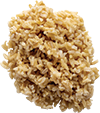
Half cup of brown rice

6-8 ounces per day

(6-8 servings)
1 Serving = 1 Ounce

Examples:

  • 1 slice bread or tortilla
  • ½ bagel or hamburger bun
  • ½ cup cooked rice, noodles, or cereal
  • 1 cup flake-type cereal

Tips:

  • Eat whole grains like: oatmeal, whole wheat bread or rolls, brown rice, whole wheat pasta, tortillas (whole wheat or corn)
Vegetables
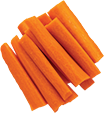
Carrot sticks snack

2½-3½ cups per day

(5-7 servings)
1 Serving = ½ Cup

Examples:

  • 1 cup raw or cooked vegetables
  • 1 cup lettuce or other leafy greens
  • ½ cup vegetable or tomato juice

Tips:

  • Eat many kinds and colors: dark green, orange, red, yellow, purple, and white
  • Add to: scrambled eggs, rice, noodles, salads, and casseroles
Fruits
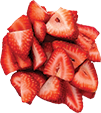
Fresh strawberries

1-1½ cups per day

(2-3 servings)
1 Serving = ½ Cup

Examples:

  • ½ cup chopped or cooked
  • 1 fruit – apple, orange, peach, etc.
  • ½ cup 100% fruit juice

Tips:

  • Eat many kinds and colors: red, yellow, orange, blue, green, purple, and white
  • Put sliced or chopped fruit on cereal, pancakes, pudding, and frozen yogurt
Dairy
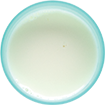
Fresh milk in a glass

3 cups per day

(3 servings)
1 Serving = 1 Cup

Examples:

  • 1 cup milk
  • 1 cup yogurt
  • 1 to 2 slices cheese

Tips:

  • Choose 1% or non-fat milk
  • If it is hard to drink milk, get ideas from WIC
Proteins
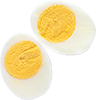
Hard-boiled egg

5½-6½ ounces per day

(5½-6½ servings)
1 Serving = 1 Ounce

Examples:

  • 1 ounce meat, chicken, turkey, or fish
  • ¼ cup canned light tuna
  • 1 egg
  • ¼ cup cooked beans or tofu
  • 1 tablespoon peanut butter

Tips:

  • A 3-ounce serving is the size of a deck of cards
  • Choose lean meats: bake, broil, or grill them
  • Eat more beans; ask WIC for recipes

Sample Menu

You and your baby do best when you eat regular meals and snacks. Here is a sample menu using some foods you can purchase with your WIC benefits.

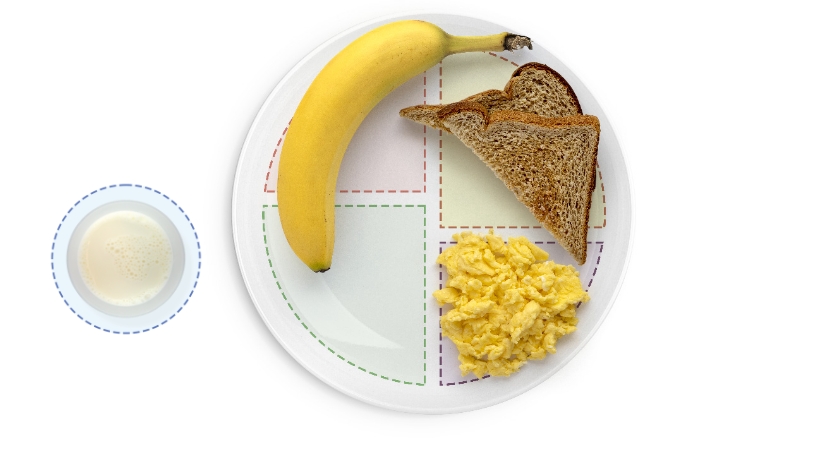
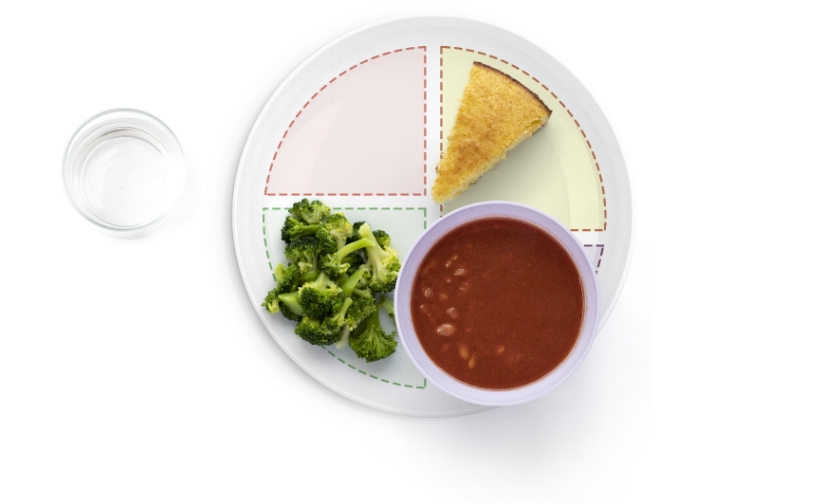
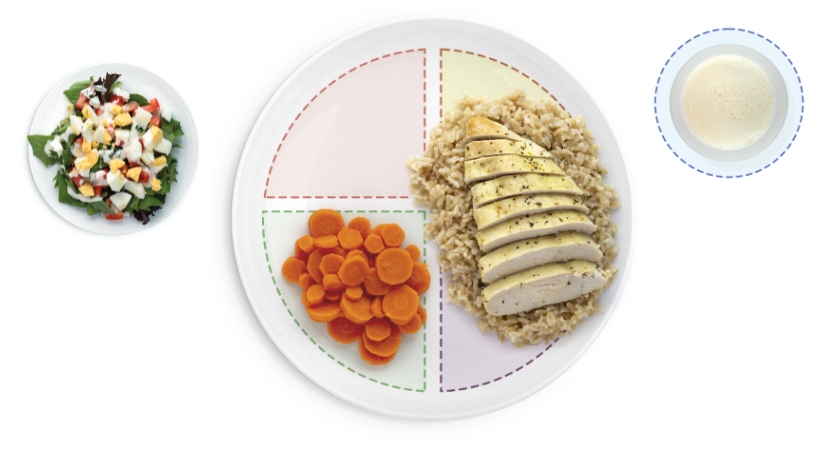
Here are some examples of what meal and snack portion sizes might look like on your plate.

Breakfast

1 banana

1 cup non-fat or 1% milk

Healthy breakfast with fruits and eggs

1 slice whole grain toast

1 cooked, scrambled egg

Lunch

½ cup cooked broccoli florets

1 cup water

Balanced lunch meal on a plate

1 ounce cornbread

½ cup tomato sauce

and ¼ cup pinto beans and ¼ cup red beans

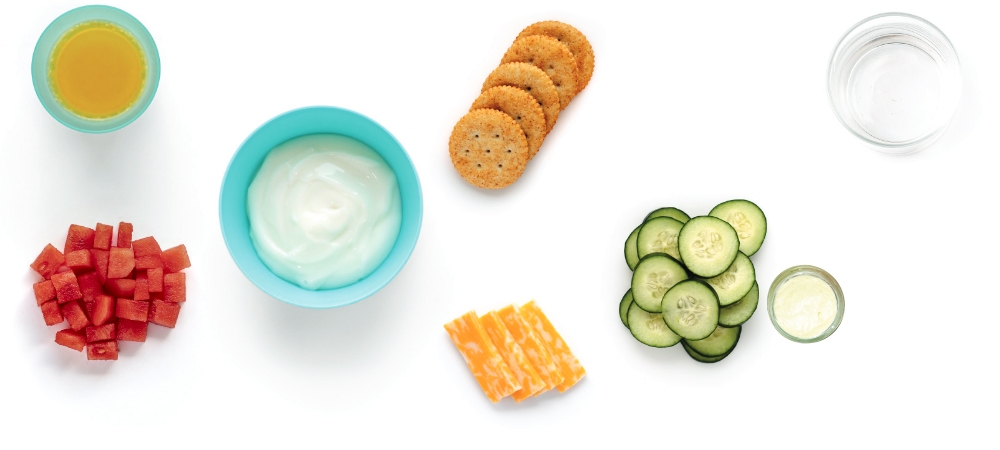
Snacks

Healthy snacks with fruits and nuts

1 cup 100% orange juice

1 cup cut up melon

½ cup low-fat yogurt

5 or 6 whole grain crackers

3 or 4 slices cheese

½ cup sliced cucumbers with 1 tablespoon dressing

water between meals and snacks

Dinner

1 cup mixed, green salad with ¼ cup tomato

with ½ hard-boiled egg with 1 tablespoon dressing

½ cup cooked, sliced carrots

Healthy dinner with vegetables and protein

1 cup cooked brown rice

with 3 ounces baked, sliced chicken

1 cup non-fat or 1% milk

Snacks: Tasty, Healthy, and Easy

Aim for 2-3 snacks each day. Try healthy snack combos by picking foods from at least two food groups. These balanced snacks will keep you feeling satisfied.

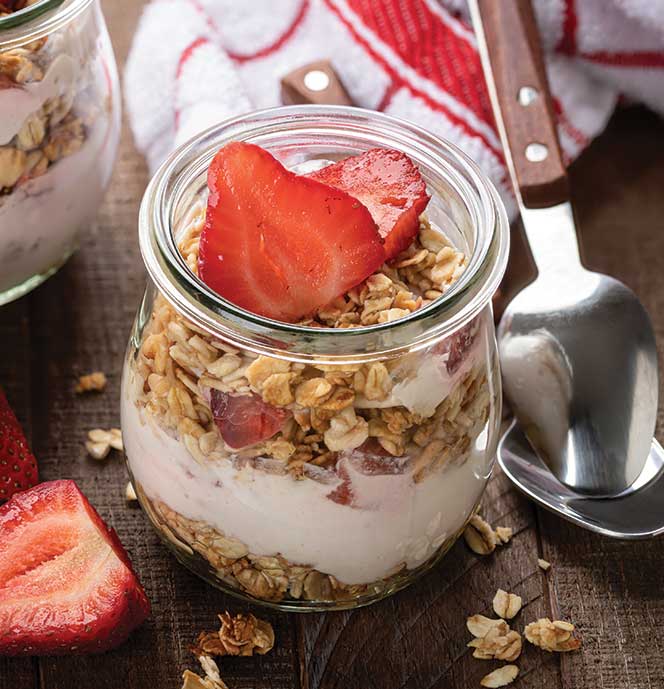
Example: Granola + Strawberries + Yogurt

Bread, Cereal, or Other Grain

  • Bagel
  • Cereal
  • Whole wheat or corn tortilla
  • Crackers
  • English muffin
  • Graham crackers
  • Oatmeal or grits
  • Pita bread
  • Raisin bread
  • Whole grain bread
  • Granola or trail mix
  • Popcorn

FRUIT OR VEGETABLE

  • Broccoli
  • Carrots
  • Green peppers
  • Edamame
  • Tomato
  • Celery
  • Avocado
  • Apple
  • Banana
  • Grapes
  • Melon
  • Orange
  • Peach
  • Pineapple
  • Raisins
  • Strawberries

DAIRY OR PROTEIN

  • Cheese
  • Cottage cheese
  • Frozen yogurt
  • Yogurt
  • Egg, cooked
  • Nuts (like walnuts)
  • Peanut butter or nut butter
  • Hummus
Yogurt with strawberries and granola

Fast Food Restaurant Tips

On the go? Ask for these fast foods:

  • Grilled chicken sandwich
  • Hamburger or cheeseburger
  • Main dish salad or side salad
  • Pizza topped with green peppers, tomatoes, and mushrooms
  • Bean burrito
  • Baked potato with vegetable and cheese toppings
  • Fruit
  • Water, low-fat milk, or 100% juice
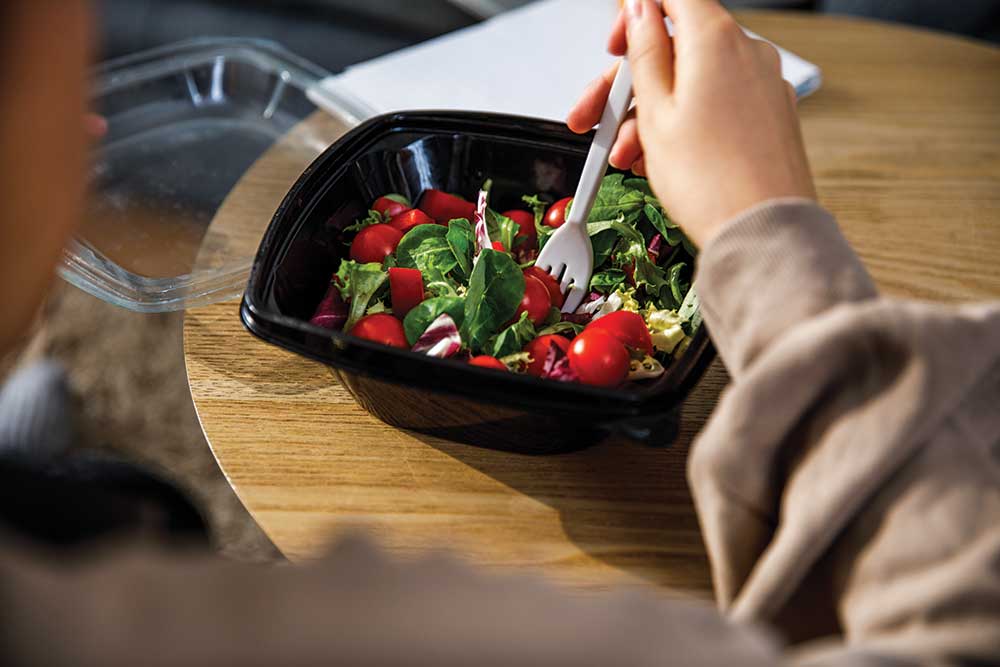
Woman eating vegetables from a bowl

Food Safety Tips

Hand hygiene with soap and water

Wash your hands with soap and water before you eat or prepare food.

Washing broccoli under water

Wash vegetables and fruit with water before eating or cooking.

Grilling chicken and using a food thermometer

Cook beef, pork, chicken, turkey, fish, and seafood to the well-done stage.
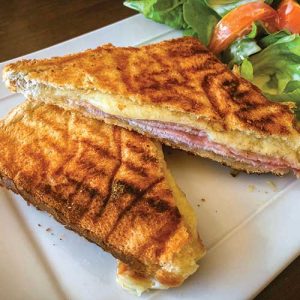
Ham and cheese grilled sandwich

Heat to steaming before eating hot dogs, cold cuts, and deli meats like bologna, salami, or ham.
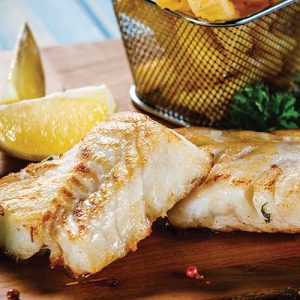
Grilled fish fillet

Ask WIC staff or your healthcare provider what fish is safe and the recommended amounts to eat during pregnancy.​

Don’t eat certain foods.

Some foods are not safe for you and your baby when you are pregnant. Do not eat:

  • Tilefish, swordfish, king mackerel, or shark
  • Raw oysters, or fish like sushi, sashimi, or ceviche
  • Undercooked, rare, or raw meat like chicken, beef, or turkey
  • Deli meat, spreads, or patés that haven’t been heated to steaming
  • Raw or soft-cooked eggs
  • Smoked meats
  • Uncooked hotdogs
  • Feta, blue-veined, Brie, or Mexican-style (queso blanco or queso fresco) cheeses
  • Unpasteurized (raw) milk or cheese
  • Unpasteurized juice or cider
  • Raw sprouts, like alfalfa sprouts
Ask your healthcare provider before you take herbs or drink herbal teas; they may not be safe for your baby.

Take Prenatal Vitamins

Prenatal vitamins have extra iron and folic acid to help your baby grow. Check to see if your prenatal vitamin has at least 150 mcg of iodine. If the prenatal vitamin you take doesn’t have this amount of iodine, ask your healthcare provider.

Don’t take any other vitamins unless prescribed by your healthcare provider.

Pregnant woman in a denim shirt takes a pill and holds a glass of water at home.
Woman flossing her teeth as part of daily oral hygiene routine

Keep Your Teeth Healthy

Pregnant women go through hormonal changes that can impact the health of their mouth.

To keep your teeth and gums healthy, be sure to:

  • Brush your teeth (and tongue) at least two times a day
  • Floss your teeth daily
  • Drink water and avoid sugary drinks
  • Get a dental checkup

Use a soft-bristle toothbrush. Brush gently. If your gums bleed when you brush or floss, tell your healthcare provider.

Be Active for a Healthy Body

Your body stays fit when you move it. If your healthcare provider says it’s okay, keep active. Walking, stretching, and swimming are a few good ways.

Being active will help you:

  • Have more energy and feel less tired
  • Sleep better
  • Work off stress
  • Tone your muscles
  • Have better posture

Find time to be active for 30 minutes most or all days of the week.

You can break the time up like this:
Walk 10 minutes in the morning illustration Walk 10 minutes in the afternoon illustration

Walk 10 minutes in the evening

abstract background texture

30 minutesa

Pregnant woman walking in a park and enjoying fresh air

Weight Gain

The amount of weight you should gain depends on your weight before pregnancy. Ask your healthcare provider, nurse, or WIC staff for a weight graph to track your progress.

Your Pre-Pregnancy Weight

Underweight
BMI less than 18.5

Healthy Weight
BMI 18.5-24.9

Overweight
BMI 25-29.9

Obese
BMI greater than or equal to 30

Healthy Weight Gain During Your Pregnancy

28-40 pounds

25-35 pounds

15-25 pounds

11-20 pounds

Weight gain during pregnancy helps your baby grow. First trimester weight gain should be 1-4 pounds. Starting in the 4th month, you may gain about half (½) to one (1) pound a week.

To keep a steady weight gain:

  • Eat when you feel hungry
  • Choose healthy foods to eat
  • Drink water
  • Keep active by walking

If your weight gain is:

Just Right
You may lose the weight easier after your baby is born. It can help protect your health and the health of your baby.
Too little
Your baby could be born too small or too soon.
Too much
It may be harder to lose the weight after your baby is born. It could also increase your and your baby’s risk of long-term health problems.
If you are expecting twins, triplets, or more, talk with your healthcare provider about the weight gain that is right for you.

Keep Your Baby Safe and Healthy

It is recommended to avoid tobacco, nicotine, alcohol (beer, wine, liquor, or mixed drinks), marijuana, and illegal drugs during pregnancy. Each of these products can negatively impact you and your baby’s health.

We know it can be difficult to stop or reduce use of tobacco, nicotine, alcohol, marijuana, and illegal drugs.

If you are struggling to stop or reduce use, there are resources available to you.

You are not alone.

We are here to support you.

For support with quitting tobacco or nicotine use, including free coaching, a free quit plan, and free educational materials visit www.quitnow.net.

For support with quitting alcohol, marijuana, or other illegal drug use contact your healthcare provider or visit www.findtreatment.gov.

Ask your healthcare provider before you take medicine to make sure it is safe for your baby.

Pregnancy Discomforts

Your body changes when you’re pregnant. You might feel sick to your stomach the first 3 or 4 months. Some smells and foods might make you throw up.

If you feel sick… (morning sickness):

  • Open the window to let fresh air in and stale air out
  • Get up slowly when you wake up
  • Eat a few crackers before you get out of bed
  • Stay away from smells that make you sick
  • Eat cold foods if the smell of cooked food makes you sick
  • Eat small amounts of food every one or two hours
  • Drink liquids, but take small sips

“Morning sickness” can occur anytime of the day.

Even if you feel sick, you still need food and liquids. If you can’t keep anything down, call your healthcare provider.

Woman in casual wear resting on couch with hand on forehead, sunlight streaming in.
Pregnant woman in pink top peacefully gazes out a window, cradling her belly and reflecting.

As your baby grows, you might get an upset stomach when you eat. It might be hard to move your bowels. Talk to your healthcare provider if you get these problems. Don’t take medicine unless advised by your healthcare provider. Here are some tips:

If you have heartburn…(Indigestion):

  • Eat 5 or 6 small meals, instead of 2 or 3 large ones
  • Avoid fried or greasy foods
  • Eat less spicy foods
  • Drink small sips of water with your meals
  • Sit upright or take a walk after you eat
  • Avoid caffeine in soda, coffee, or tea

If you’re constipated… (can’t poop):

  • Eat foods with fiber like:
  • Vegetables
  • Fruits
  • Beans and peas
  • Whole grain cereals
  • Whole wheat bread and crackers
  • Whole wheat noodles
  • Brown rice
  • Corn tortillas
  • Drink plenty of fluids, like water
  • Walk after you eat
Woman drinking a glass of water while sitting on a couch, promoting healthy hydration.

Give Your Baby the Best Start – Breastfeed!

Breast milk is all your baby needs for the first 6 months of life. Your milk has the right ingredients in the right amounts to give your baby the healthiest start in life. Breastfeeding is good for you too.

BREASTFEEDING MOMS SAY…

Breastfeeding mom bonding with her baby

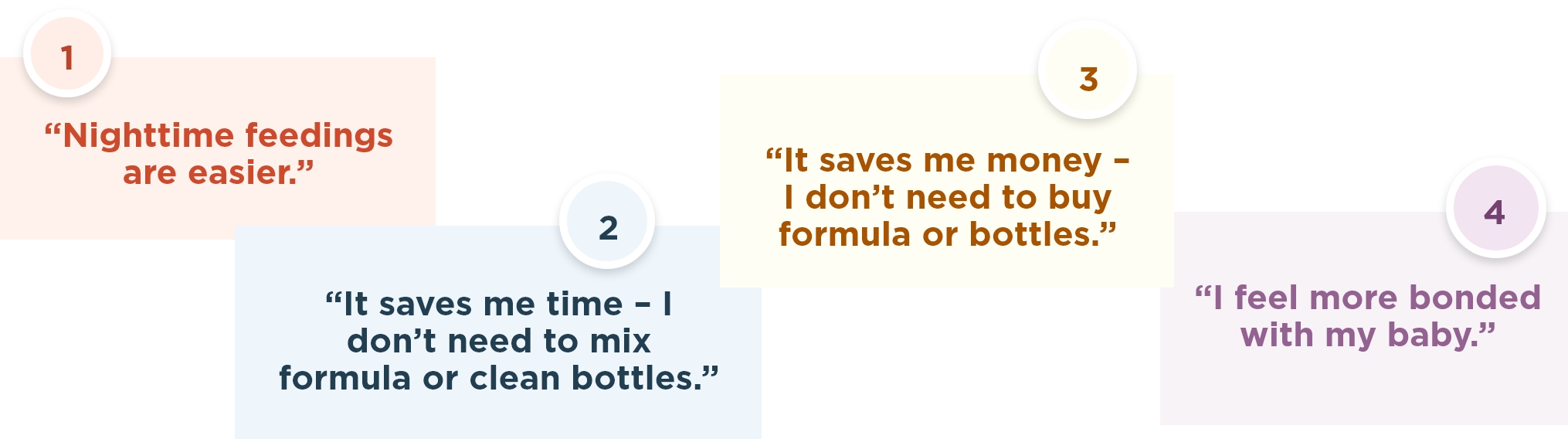
“When I breastfeed, I feel proud. My baby grows
healthy and strong with a gift only I can give.”

Breastfeeding protects your baby’s health.

Babies who are breastfed have a lower risk of:
  • SIDS – Sudden Infant Death Syndrome
  • Allergies
  • Illnesses, like colds, respiratory, and ear infections
  • Obesity
  • Diarrhea and constipation

Breastfeeding is good for mom, too.

Breastfeeding helps you:
  • Reduce your risk of obesity, heart attack, and stroke
  • Lower your risk of breast and other cancers
  • Keep your bones strong
  • Get back to your pre-pregnancy size quicker

Breastfeeding Facts

A lot of moms have questions about breastfeeding. Talk with WIC staff about any breastfeeding concerns you may have.
  • Breastfeeding whenever your baby is hungry will allow your body to make all the milk your baby needs.
  • Holding baby skin-to-skin while in the hospital and after going home helps you make milk.
  • Nursing shouldn’t hurt.
    If it hurts, get help. Call your healthcare provider, WIC clinic, local hospital, or La Leche League (LLL).
  • Ask for help at home, especially in the early days.
    Ask family and friends to pitch in with household chores and to watch other children. Dad or another family member can hold baby skin-to-skin, help with baths and playtime. Babies need lots of love and cuddling in addition to feeding time.
  • You can go back to work or school and continue breastfeeding.
    Most states have laws that require workplaces to support breastfeeding employees. There are also laws in all 50 states to protect moms when nursing in public.
  • Moms who nurse can eat their favorite foods!
    No special diet is needed.

For more information on breastfeeding, visit wicbreastfeeding.fns.usda.gov

My Breastfeeding Plan At The Hospital

Tell your nurses and healthcare provider that your goal is to exclusively breastfeed your baby. Ask them to follow these guidelines as long as it is medically safe for your baby and you.

Exclusive Breastfeeding – Please don’t give my baby any formula, water, or glucose water before speaking to my partner or me.

Skin-to-Skin – During my stay, I want to hold my baby skin-to-skin as much as possible.

Breast Pumps – If my baby is unable to breastfeed or is separated from me due to medical reasons, I want to use a breast pump as soon as possible. If I need to pump longer than my hospital stay, please remind me to call my local WIC office.

No Bottles or Pacifiers – Please don’t give my baby artificial nipples. This includes pacifiers or any type of bottle.

Breastfeeding Support – Please help me with breastfeeding during the first hour after my delivery.

Take-Home Bags – Please do not send any formula or information about formula home with us when we leave the hospital. Instead, please remind me that I’m giving my baby the best nutrition by choosing to breastfeed.

Make Time for Yourself

Having a baby is hard work! At times you may feel tired, emotional, and grumpy. You might even feel sad. Find time to relax and get some rest. If you feel overwhelmed, ask for help.

Ask for help from family and friends.

Talk to your healthcare provider.

Call the Postpartum Support International Helpline at 1-800-944-4773, visit www.postpartum.net, or text 800-944-4773 (English) or 971-203-7773 (Spanish).

To show yourself some love:

  • Try to get enough sleep and rest
  • Take a few minutes every day just for you
  • Spend time with people you enjoy; avoid those you don’t

If you have thoughts of harming yourself or your baby, get immediate help.

Call 1-800-273-8255 for free and confidential emotional support 24 hours a day, 7 days a week.

Woman sitting on a couch drinking coffee and relaxing at home

For additional support, contact your local WIC Breastfeeding Peer Counselor or WIC Designated Breastfeeding Expert for breastfeeding questions.

You May Also Like...

Health Tips for New Moms

Health Tips For New Moms Dear Mom Get the Care You Need Choose Healthy Foods Eat Breakfast, Lunch, and Dinner Breakfast Ideas Be Smart About Fast Foods Get Folic Acid…

Read More

Infant Feeding Guide

Read More

Birth to 6 Months

Caring for your babyBirth to 6 Months Hello World You Have What I Need To Grow Paced Bottle Feeding I Need Your Touch I Need To Eat Often Look for…

Read More
LiveWell WIC program logo

    Contact Us

USDA is an equal opportunity provider, employer, and lender.

Cookie PolicyAbout UsPrivacy PolicyTerms of Agreement

© Brush Art Corporation

  • Email
  • SMS
If you are using multiple emails, separate them with commas.

    SMS Communication Consent

    Share

    Share this link via:

    Side Lying Hold

    Side-Lying Hold

    1. For the right breast, lie on your right side with your baby facing you.
    2. Pull your baby close. Your baby’s mouth should be level with your nipple.
    3. In this position, you can cradle your baby’s back with your left arm and support yourself with your right arm and/or pillows.
    4. Keep loose clothing and bedding away from your baby.
    5. Reverse for the left breast.

    This hold is useful when:

    • You had a C-section
    • You want to rest while baby feeds
    • You are breastfeeding in the middle of the night
    • You and your baby are comfortable in this position
    Wooden carved fork resting on the edge

    Cross-Cradle Hold

    1. For the right breast, use your left arm to hold your baby’s head at your right breast and baby’s body toward your left side. A pillow across your lap can help support your left arm.
    2. Gently place your left hand behind your baby’s ears and neck, with your thumb and index finger behind each ear and your palm between baby’s shoulder blades. Turn your baby’s body toward yours so your tummies are touching.
    3. Hold your breast as if you are squeezing a sandwich. To protect your back, avoid leaning down to your baby. Instead, bring your baby to you.
    4. As your baby’s mouth opens, push gently with your left palm on baby’s head to help them latch on. Make sure you keep your fingers out of the way.
    5. Reverse for the left breast.

    This hold is useful when:

    • Your baby is premature
    • Your baby has a weak suck
    • Your baby needs help to stay latched
    • Your baby needs extra head support
    • You and your baby are comfortable in this position
    Woman with shopping bag

    Clutch or “Football” Hold

    1. For the right breast, hold your baby level, facing up, at your right side.
    2. Put your baby’s head near your right nipple and support their back and legs under your right arm.
    3. Hold the base of your baby’s head with your right palm. A pillow underneath your right arm can help support your baby’s weight.
    4. To protect your back, avoid leaning down to your baby. Bring baby to you instead.
    5. Reverse for the left breast.

    This hold is useful when:

    • You had a C-section
    • You have large breasts
    • You have flat or inverted nipples
    • You have a strong milk let-down
    • You are breastfeeding twins
    • Your baby likes to feed in an upright position
    • Your baby has reflux
    • You and your baby are comfortable in this position
    Cartoon-style abstract bird silhouette

    Cradle Hold

    1. For the right breast, cradle your baby with your right arm. Your baby will be on their left side across your lap, facing you at nipple level.
    2. Your baby’s head will rest on your right forearm with your baby’s back along your inner arm and palm.
    3. Turn your baby’s tummy toward your tummy. Your left hand is free to support your breast, if needed. Pillows can help support your arm and elbow.
    4. To protect your back, avoid leaning down to your baby. Instead, bring your baby to you.
    5. Reverse for the left breast.

    This hold is useful when:

    • Your baby needs help latching on
    • You and your baby are comfortable in this position
    Abstract geometric shapes in pastel

    Laid-Back Hold

    1. Lean back on a pillow with your baby’s tummy touching yours and their head at breast level. Some moms find that sitting up nearly straight works well. Others prefer to lean back and lie almost flat.
    2. You can place your baby’s cheek near your breast, or you may want to use one hand to hold your breast near your baby. It’s up to you and what you think feels best.
    3. Your baby will naturally find your nipple, latch, and begin to suckle.

    This hold is useful when:

    • Your baby is placed on your chest right after birth
    • You have a strong milk let-down
    • You have large breasts
    • You and your baby are comfortable in this position