Gut Health and Gestational Diabetes

Gut Health and Gestational Diabetes
December 24, 2025 Women

Ana at Docs
Hut Health Icon Gut Health and Gestational Diabetes

Ana Sofia was pregnant again, and this time she wanted things to go differently. During her last pregnancy, she had gestational diabetes – a type of diabetes that can develop during pregnancy. It wasn’t fun, and she was determined to avoid it this time.

Because she had gestational diabetes before and hadn’t lost the baby weight from her first pregnancy, Ana Sofia was already at higher risk. Her parents also had Type 2 diabetes, which made her chances even greater. But she had heard that the balance of “good” and “bad” bacteria in the gut can affect gestational diabetes, and she wanted to learn more.

She talked with her doctor who explained that a healthy gut can help support a healthy pregnancy – and may even lower the risk of getting gestational diabetes later on. Gut health in the first few months of pregnancy can make a difference later. 

Together, they talked about what can affect gut health, such as:
Diet Plan Icon

Diet: eating more fruits, vegetables, beans, and whole grains instead of ultra-processed foods

Lifestyle Icon

Lifestyle: getting enough sleep, managing stress, and avoiding smoking or alcohol

Environment Icon

Environment: limiting contact with pollution and harsh chemicals

Hormone changes

Hormone changes during pregnancy

Antibiotic use icon

Antibiotic use in the past

Probiotic Pills vs. Foods:
What’s Better for Ana’s Gut?

When Ana Sofia asked about probiotic pills, her doctor said that research is still new. While probiotics might help increase the “good” bacteria in the gut, the best way to improve gut health is through food and healthy habits.

The good news? Many gut-friendly foods are WIC-approved!

Probiotic Pills Hand
Note Icon Ana Sofia’s Plan for a Healthy Gut and Pregnancy
Ana Sofia’s Plan for a Healthy Gut and Pregnancy
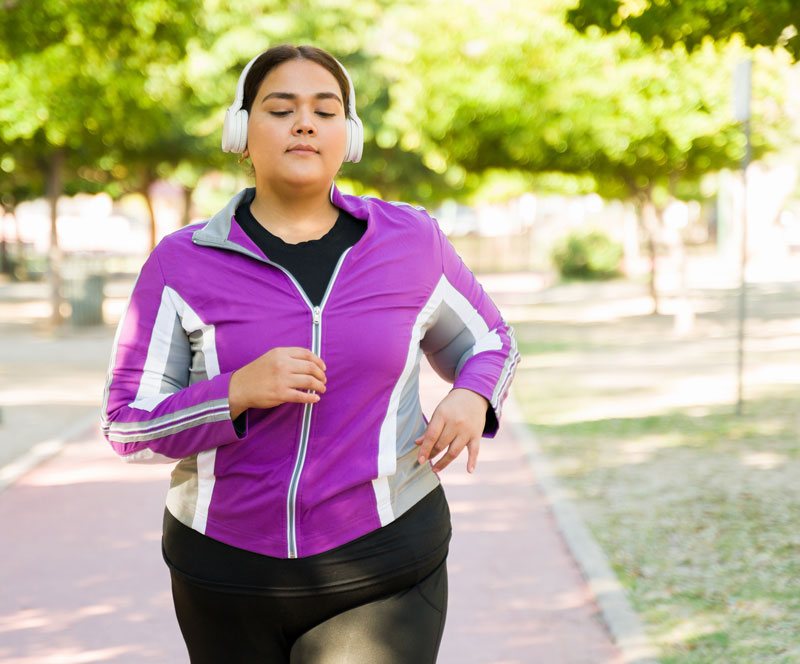
With her doctor’s help, Ana Sofia made a simple plan to stay healthy and reduce her risk of gestational diabetes:

Probiotic Foods (Add “Good” Bacteria)

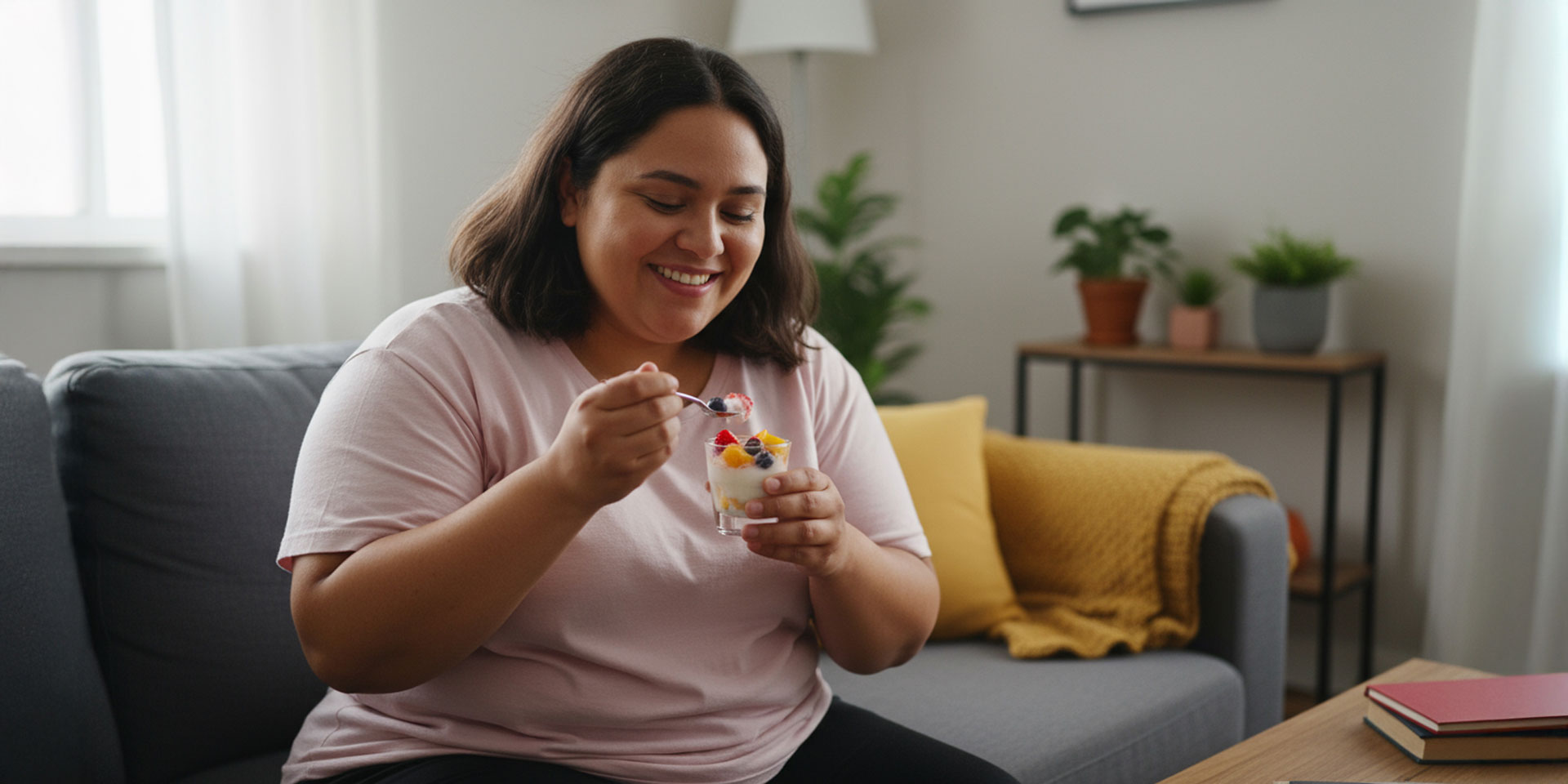
Yogurt bowl
YOGURT
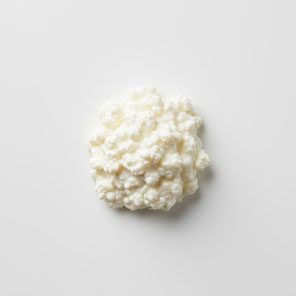
Kefir
Kefir
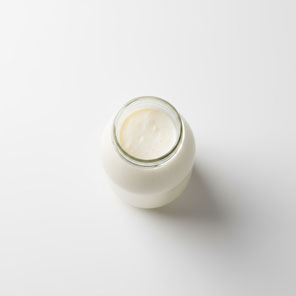
Buttermilk
Buttermilk
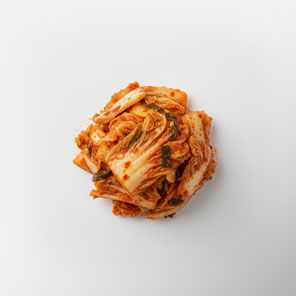
Kimchi
Kimchi
Miso
Miso

Prebiotic Foods (Feed the “Good” Bacteria)

Lentils-lima-beans
Lentils and
lima beans
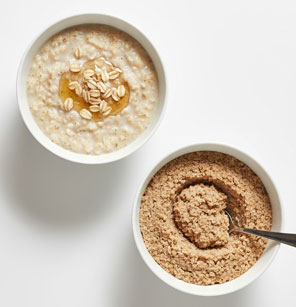
Oats and oat bran
Oats and
oat bran
Chickpeas and other beans
Chickpeas and
other beans
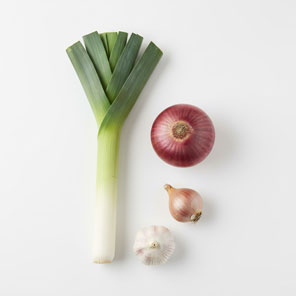
Onions, garlic, leeks, and shallots
Onions, garlic,
leeks, and shallots
Artichokes and asparagus
Artichokes
and asparagus
Whole wheat and rye products
Whole wheat
and rye products
Barley
Barley

She also made sure to eat a variety of colorful fruits and vegetables every day.

eat a variety of colorful fruits

She also made sure to eat a variety of colorful fruits and vegetables every day.

Ana’s Small Changes Ana Sofia’s Plan for a Healthy Gut and Pregnancy
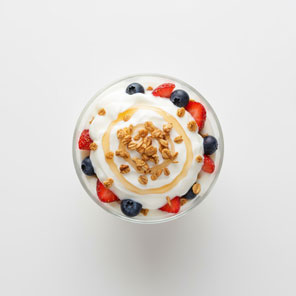
To make healthy eating easier, Ana Sofia found ways to plan ahead:

Ana’s Small Changes Lead to Big Results Ana’s Small Changes Lead to Big Results

By making small, steady changes, Ana Sofia kept her gut healthy and avoided gestational diabetes. She delivered a healthy baby girl and proved that past health problems don’t have to repeat themselves. With the right foods and habits, a healthy pregnancy is possible!

Woman Holding Baby

REFERENCES:

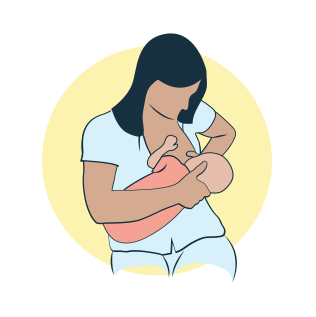
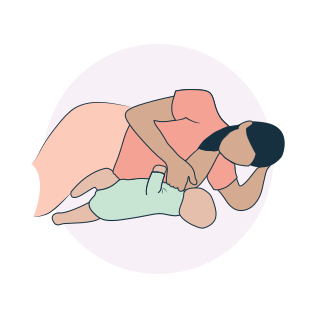
Side-Lying-Hold

Side-Lying Hold

  1. For the right breast, lie on your right side with your baby facing you.
  2. Pull your baby close. Your baby’s mouth should be level with your nipple.
  3. In this position, you can cradle your baby’s back with your left arm and support yourself with your right arm and/or pillows.
  4. Keep loose clothing and bedding away from your baby.
  5. Reverse for the left breast.

This hold is useful when:

cross-cradle-hold-1

Cross-Cradle Hold

  1. For the right breast, use your left arm to hold your baby’s head at your right breast and baby’s body toward your left side. A pillow across your lap can help support your left arm.
  2. Gently place your left hand behind your baby’s ears and neck, with your thumb and index finger behind each ear and your palm between baby’s shoulder blades. Turn your baby’s body toward yours so your tummies are touching.
  3. Hold your breast as if you are squeezing a sandwich. To protect your back, avoid leaning down to your baby. Instead, bring your baby to you.
  4. As your baby’s mouth opens, push gently with your left palm on baby’s head to help them latch on. Make sure you keep your fingers out of the way.
  5. Reverse for the left breast.

This hold is useful when:

Football-hold

Clutch or “Football” Hold

  1. For the right breast, hold your baby level, facing up, at your right side.
  2. Put your baby’s head near your right nipple and support their back and legs under your right arm.
  3. Hold the base of your baby’s head with your right palm. A pillow underneath your right arm can help support your baby’s weight.
  4. To protect your back, avoid leaning down to your baby. Bring baby to you instead.
  5. Reverse for the left breast.

This hold is useful when:

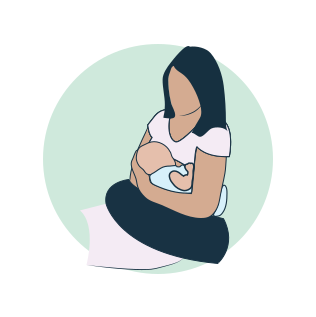
CRADLE-HOLD​

Cradle Hold

  1. For the right breast, cradle your baby with your right arm. Your baby will be on their left side across your lap, facing you at nipple level.
  2. Your baby’s head will rest on your right forearm with your baby’s back along your inner arm and palm.
  3. Turn your baby’s tummy toward your tummy. Your left hand is free to support your breast, if needed. Pillows can help support your arm and elbow.
  4. To protect your back, avoid leaning down to your baby. Instead, bring your baby to you.
  5. Reverse for the left breast.

This hold is useful when:

laid-back

Laid-Back Hold

  1. Lean back on a pillow with your baby’s tummy touching yours and their head at breast level. Some moms find that sitting up nearly straight works well. Others prefer to lean back and lie almost flat.
  2. You can place your baby’s cheek near your breast, or you may want to use one hand to hold your breast near your baby. It’s up to you and what you think feels best.
  3. Your baby will naturally find your nipple, latch, and begin to suckle.

This hold is useful when: