Skip to Content Skip to Footer
LiveWell WIC logo
Livewell Wic
  • Home
  • Ellyn Satter
    • Ellyn Satter
      Prenatal / Postpartum
    • Ellyn Satter
      Newborn / Infant
    • Ellyn Satter
      Older Baby / Almost Toddler
    • Ellyn Satter
      Toddler / Preschooler
  • Breastfeeding
  • Eat·Grow·Live Healthy
    • Eat·Grow·Live Healthy
      Women
    • Eat·Grow·Live Healthy
      Infants
    • Eat·Grow·Live Healthy
      Children
    • Eat·Grow·Live Healthy
      Fathers
  • Live Well Blog
  • Español
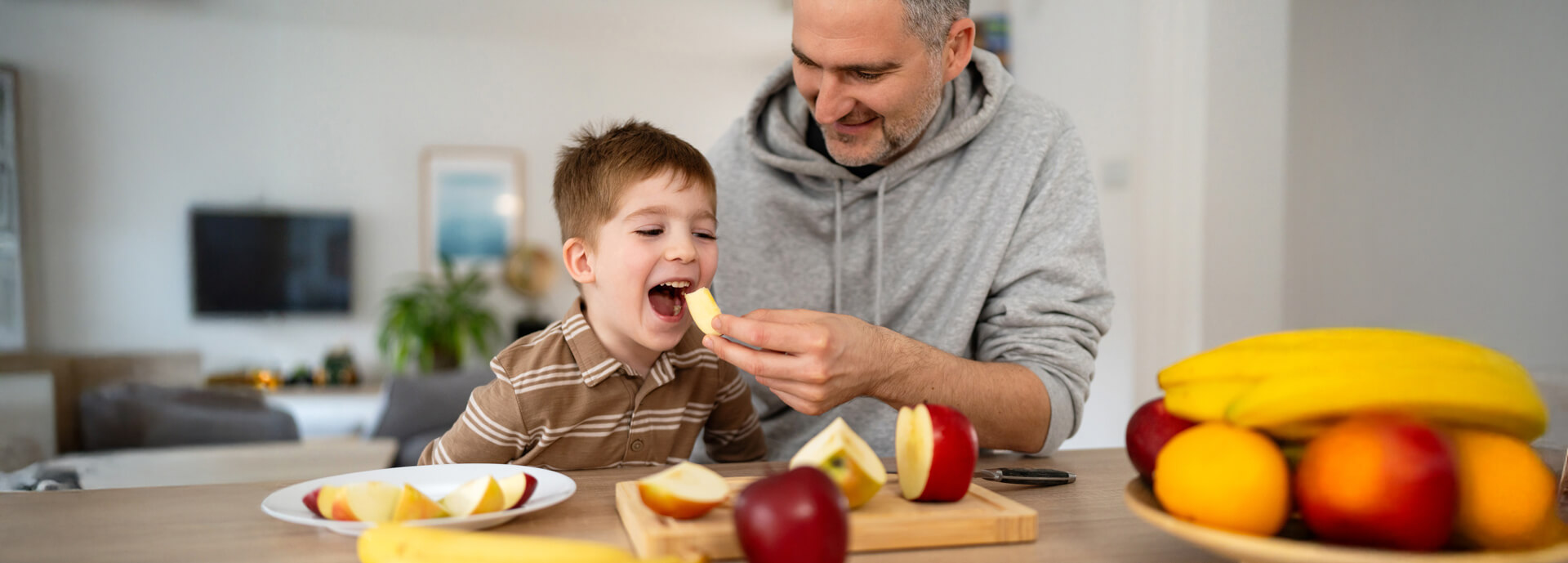
Man feeding child apple slice at kitchen table

Is Snack Time Treat Time?

  • Home
  • Live Well Blog
  • Is Snack Time Treat Time?
July 16, 2025 Children

Many people think snacks and treats are the same. But they’re not!
Let’s break it down.

What Is a Snack?

A snack is a small amount of food you eat between meals.

Healthy snacks—like apple slices or cheese—give your body energy and help you stay full.

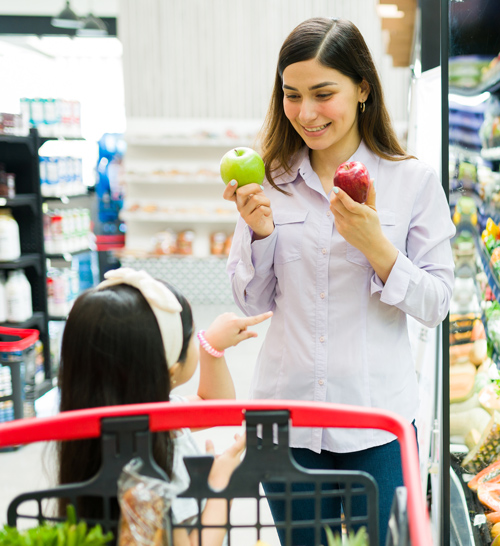
Woman choosing apples while child points excitedly

Is a Snack Always a Treat?

No. A snack doesn’t have to be a treat. If every snack is a sweet or salty food, it can lead to too many calories and weight gain—for kids and adults.

Are All Snacks Healthy?

Not always. Snacks provide about 1/4 of the daily calories for adults and children, so their quality is important. Many kids get up to 35% of their added sugar from snacks. This can lead to poor eating habits and not getting enough of the nutrients they need to grow strong. Plan for healthy snacking, starting with your weekly grocery list.

What Is a Treat?

A treat is something special.

It’s not something you eat every day.
A treat could be birthday cake or ice cream at a party.

Child smiling, holding orange ice cream cone

What Is a “Snack Food”?

Some people use “snack food” to describe foods like:

  • Chips
  • Cookies
  • Cakes
  • Candy
  • Soda or sweet drinks
These are usually high in sugar, salt, or fat and low in nutrients.
These are treats, not healthy snacks.

Why Do Kids (and Some Adults) Need Snacks?

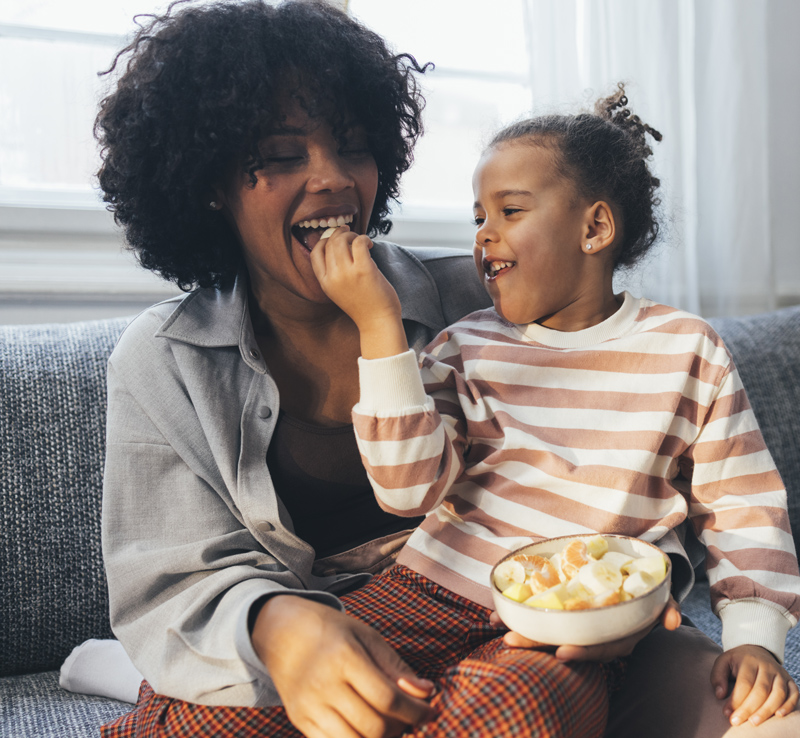
Mother and child sharing a bowl of fruit

Snacks are important, especially for young children.
Snacks can help kids when:

  • They can’t eat much at one time
  • They are growing fast or need to gain weight
  • There’s a long time between meals
  • They only eat two meals a day
  • They need more nutrients

Little kids need to eat more often than adults.

That’s why snacks matter! The American Academy of Pediatrics says toddlers should have 2–3 healthy snacks a day. Preschoolers should have 2 healthy snacks a day.

food unsafe Smart Snacking Tips

Snacks can be part of a healthy diet!

Here are some tips to make snack time better for your family:

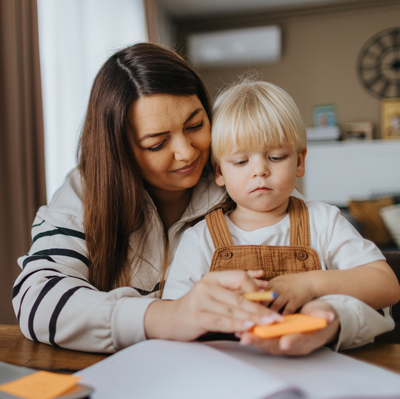
Woman helping child color with crayons at table

Make a snack list.

Keep a few go-to snacks written down or planned ahead.
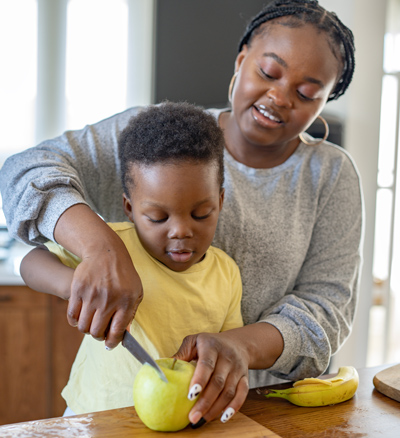
Child and adult slicing apple together in kitchen

Prep in advance.

Wash and cut fruits or veggies ahead of time.
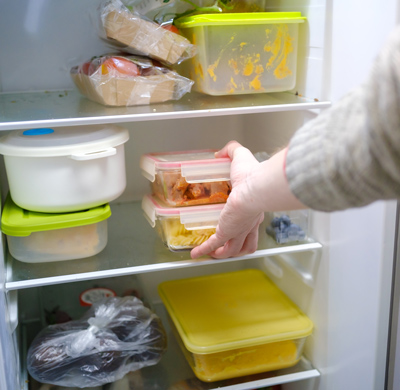
Hand reaches for container in a stocked fridge

Use leftovers.

Leftover beans, pasta, rice, or soup can be great snacks!
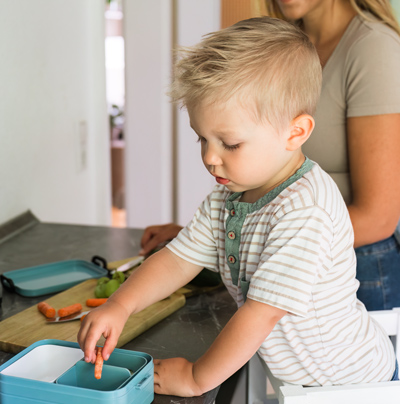
Child reaching for carrots in lunchbox on counter

Let kids help.

Toddlers and preschoolers can help pack snacks in muffin cups or containers.

Chopping vegetables beside a container of fruits and veggies

Add fruits and veggies.

Snacks are a great time to eat more produce.

Child smiling, holding a glass of milk

Include dairy.

Milk, yogurt, and cheese help with strong bones and healthy growth.
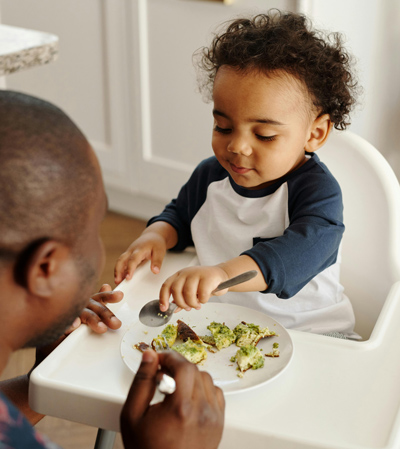
Child eating broccoli with an adult nearby

Go easy on salty snacks.

Young kids can develop a taste for salty food early.
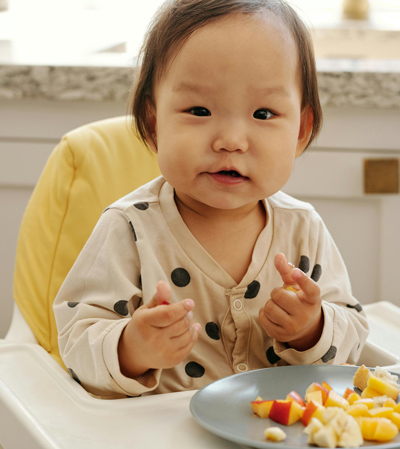
Baby sitting, eating fruit pieces on high chair

Balance is best.

A mix of protein (like cheese or eggs) and carbs (like crackers or fruit) helps you stay full longer.

food unsafe Healthy Snack Ideas

Try some of these simple, kid-friendly snacks:
  • Apple slices with cheese
  • Whole grain crackers with peanut butter
  • Sugar snap peas with yogurt dip
  • Carrot sticks with hummus
  • Cottage cheese with canned peaches or pineapple
  • Plain yogurt with fruit and a little jam
  • Small grilled cheese sandwich on whole wheat
  • Refried beans with tortilla chips
  • Cheese and crackers (not packaged snacks)
  • Yogurt with cereal
  • Cereal with milk
  • Cup of veggie soup
  • Hard-cooked egg with whole grain crackers
  • Homemade trail mix with low-sugar cereal, raisins, and nuts (for kids 4+)

Snacks don’t have to be fancy or perfect—just balanced and thoughtful. With a little planning, snack time can be a great way to help your child grow strong and healthy.

REFERENCES:

Hess, J. M., & Slavin, J. L. (2018). The benefits of defining “snacks”. Physiology & Behavior, 193(Part B), 284–287.
https://doi.org/10.1016/j.physbeh.2018.04.019
Accessed April 13, 2025.

Bailey, R. L., Leidy, H. J., Mattes, R. D., Heymsfield, S. B., Boushey, C. J., Ahluwalia, N., Cowan, A. E., Pannucci, T., Moshfegh, A. J.,
Goldman, J. D., Rhodes, D. G., Stoody, E. E., de Jesus, J., & Casavale, K. O. (2022). Frequency of eating in the US population: A
narrative review of the 2020 Dietary Guidelines Advisory Committee report. Current Developments in Nutrition, 6(9), nzac132.
https://doi.org/10.1093/cdn/nzac132
Accessed April 14, 2025.

U.S. Department of Agriculture. (2020). Dietary Guidelines for Americans, 2020–2025.
https://www.dietaryguidelines.gov
Accessed April 15, 2025.

U.S. Department of Agriculture. (n.d.). Reducing the risk of choking in young children at mealtimes.
https://wicworks.fns.usda.gov/sites/default/files/media/document/English_ReducingRiskofChokinginYoungChildren.pdf
Accessed April 15, 2025.

American Academy of Pediatrics. (n.d.). Toddler food and feeding. Healthy Active Living for Families.
https://www.aap.org/en/patient-care/healthy-active-living-for-families/toddler-food-and-feeding/
Accessed April 15, 2025.

American Academy of Pediatrics. (n.d.). Preschooler food and feeding. Healthy Active Living for Families.
https://www.aap.org/en/patient-care/healthy-active-living-for-families/preschooler-food-and-feeding/
Accessed April 15, 2025.

Author: Bridget Swinney MS, RDN, LD

You May Also Like...

March 4, 2026

Shopping With Kids: A Simple Way to Help Them Like More Foods

A Simple Way to Help Kids Like More Foods Getting kids to try new foods can feel hard. One helpful place to start is the grocery store. When kids get…

Read More
2
October 15, 2025

Pumpkin Fun: Free and Healthy Activities for Kids Under 5

Play, Learn, and Grow with Pumpkins Pumpkins aren’t just for carving! They’re healthy, fun, and great for learning, too. Pumpkins are full of good stuff like vitamins A and C.…

Read More
1
August 27, 2025

Letting Your Child Play with Food Can Be a Good Thing

Letting Your Child Play with Food Can Be a Good Thing You may have heard (or even said yourself), “Don’t play with your food!” But what if playing with food…

Read More
3
WATCH VIDEOS
  • Infant
    • Infant Pacifiers: Benefits, Safety Tips, and When to Wean
    • When to Start Peanut and Egg to Help Prevent Allergies
    • The Basics of Paced Bottle-Feeding
    • How Do I Know If My Baby Could Be Tongue-Tied?
    • Protect Your Baby from Cronobacter
  • Children
    • Shopping With Kids: A Simple Way to Help Them Like More Foods
    • Pumpkin Fun: Free and Healthy Activities for Kids Under 5
    • Letting Your Child Play with Food Can Be a Good Thing
    • Fun Ways to Learn About Healthy Food and Get Moving!
    • Your Questions Answered: Taking Care of Your Child’s Teeth Age 1-5
  • General /Family
    • Meet the Milks: Dairy and Plant-Based Choices
    • Avoiding Food Waste
    • The 2025-2030 Dietary Guidelines for Americans – What Families Need to Know
    • Finding Calm When Life Gets Busy: Stress-Management for Parents
    • February Is National Heart Month: Simple Ways to Show Your Heart Some Love
  • Women
    • How Partners Can Support Breastfeeding
    • Common Breastfeeding Challenges and Simple Solutions for Parents
    • Paced Bottle-Feeding: How to Feed Your Baby the Right Way
    • Breastfeeding and Returning to Work: Tips for Pumping & Planning
    • Increasing Milk Supply: Myths vs. Facts About Breastfeeding
  • Recipes
    • Healthy Red, White, and Blue Snacks for Kids
    • Simple Meals with Canned Fish: Easy, Healthy & Budget-Friendly Ideas
    • Fresh & Easy Spring Snacks for Toddlers
    • Fresh & Easy Spring Veggie Pasta
    • Heart-Healthy Recipe: Banana Berry Oatmeal Cups
LiveWell WIC program logo

Contact Us

USDA is an equal opportunity provider, employer, and lender.

Cookie PolicyAbout UsPrivacy PolicyTerms of Agreement

© Brush Art Corporation

  • Email
  • SMS
If you are using multiple emails, separate them with commas.

    SMS Communication Consent

    Share

    Share this link via:

    Cartoon vegetables with leafy tops gather playfully together.

    Side-Lying Hold

    1. For the right breast, lie on your right side with your baby facing you.
    2. Pull your baby close. Your baby’s mouth should be level with your nipple.
    3. In this position, you can cradle your baby’s back with your left arm and support yourself with your right arm and/or pillows.
    4. Keep loose clothing and bedding away from your baby.
    5. Reverse for the left breast.

    This hold is useful when:

    • You had a C-section
    • You want to rest while baby feeds
    • You are breastfeeding in the middle of the night
    • You and your baby are comfortable in this position
    Yellow circle with abstract, jagged shapes and patterns.

    Cross-Cradle Hold

    1. For the right breast, use your left arm to hold your baby’s head at your right breast and baby’s body toward your left side. A pillow across your lap can help support your left arm.
    2. Gently place your left hand behind your baby’s ears and neck, with your thumb and index finger behind each ear and your palm between baby’s shoulder blades. Turn your baby’s body toward yours so your tummies are touching.
    3. Hold your breast as if you are squeezing a sandwich. To protect your back, avoid leaning down to your baby. Instead, bring your baby to you.
    4. As your baby’s mouth opens, push gently with your left palm on baby’s head to help them latch on. Make sure you keep your fingers out of the way.
    5. Reverse for the left breast.

    This hold is useful when:

    • Your baby is premature
    • Your baby has a weak suck
    • Your baby needs help to stay latched
    • Your baby needs extra head support
    • You and your baby are comfortable in this position
    Cat playing with butterfly in a garden.

    Clutch or “Football” Hold

    1. For the right breast, hold your baby level, facing up, at your right side.
    2. Put your baby’s head near your right nipple and support their back and legs under your right arm.
    3. Hold the base of your baby’s head with your right palm. A pillow underneath your right arm can help support your baby’s weight.
    4. To protect your back, avoid leaning down to your baby. Bring baby to you instead.
    5. Reverse for the left breast.

    This hold is useful when:

    • You had a C-section
    • You have large breasts
    • You have flat or inverted nipples
    • You have a strong milk let-down
    • You are breastfeeding twins
    • Your baby likes to feed in an upright position
    • Your baby has reflux
    • You and your baby are comfortable in this position
    Peach circle with abstract shapes radiating outward.

    Cradle Hold

    1. For the right breast, cradle your baby with your right arm. Your baby will be on their left side across your lap, facing you at nipple level.
    2. Your baby’s head will rest on your right forearm with your baby’s back along your inner arm and palm.
    3. Turn your baby’s tummy toward your tummy. Your left hand is free to support your breast, if needed. Pillows can help support your arm and elbow.
    4. To protect your back, avoid leaning down to your baby. Instead, bring your baby to you.
    5. Reverse for the left breast.

    This hold is useful when:

    • Your baby needs help latching on
    • You and your baby are comfortable in this position
    Smiling peach character waving cheerful hello.

    Laid-Back Hold

    1. Lean back on a pillow with your baby’s tummy touching yours and their head at breast level. Some moms find that sitting up nearly straight works well. Others prefer to lean back and lie almost flat.
    2. You can place your baby’s cheek near your breast, or you may want to use one hand to hold your breast near your baby. It’s up to you and what you think feels best.
    3. Your baby will naturally find your nipple, latch, and begin to suckle.

    This hold is useful when:

    • Your baby is placed on your chest right after birth
    • You have a strong milk let-down
    • You have large breasts
    • You and your baby are comfortable in this position