Skip to Content Skip to Footer
LiveWell WIC logo
Livewell Wic
  • Home
  • Ellyn Satter
    • Ellyn Satter
      Prenatal / Postpartum
    • Ellyn Satter
      Newborn / Infant
    • Ellyn Satter
      Older Baby / Almost Toddler
    • Ellyn Satter
      Toddler / Preschooler
  • Breastfeeding
  • Eat·Grow·Live Healthy
    • Eat·Grow·Live Healthy
      Women
    • Eat·Grow·Live Healthy
      Infants
    • Eat·Grow·Live Healthy
      Children
    • Eat·Grow·Live Healthy
      Fathers
  • Live Well Blog
  • Español
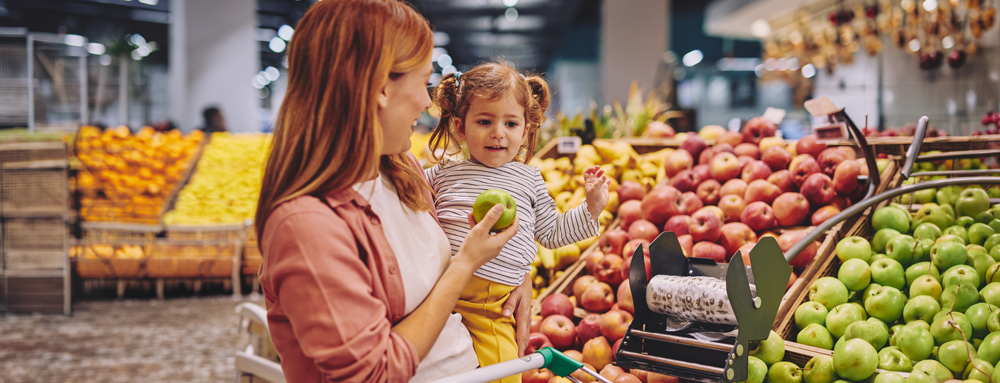
A woman and a child smile while grocery shopping

Shopping With Kids: A Simple Way to Help Them Like More Foods

  • Home
  • Live Well Blog
  • Shopping With Kids: A Simple Way to Help Them Like More Foods
March 4, 2026 Children

vegetable A Simple Way to Help Kids Like More Foods
Getting kids to try new foods can feel hard. One helpful place to start is the grocery store. When kids get to help shop for food, they are more likely to taste and accept those foods later. Shopping together helps kids feel curious, confident, and proud of their choices.

This can be especially helpful when shopping for WIC-approved foods, like fruits, vegetables, whole grains, dairy, eggs, and beans.

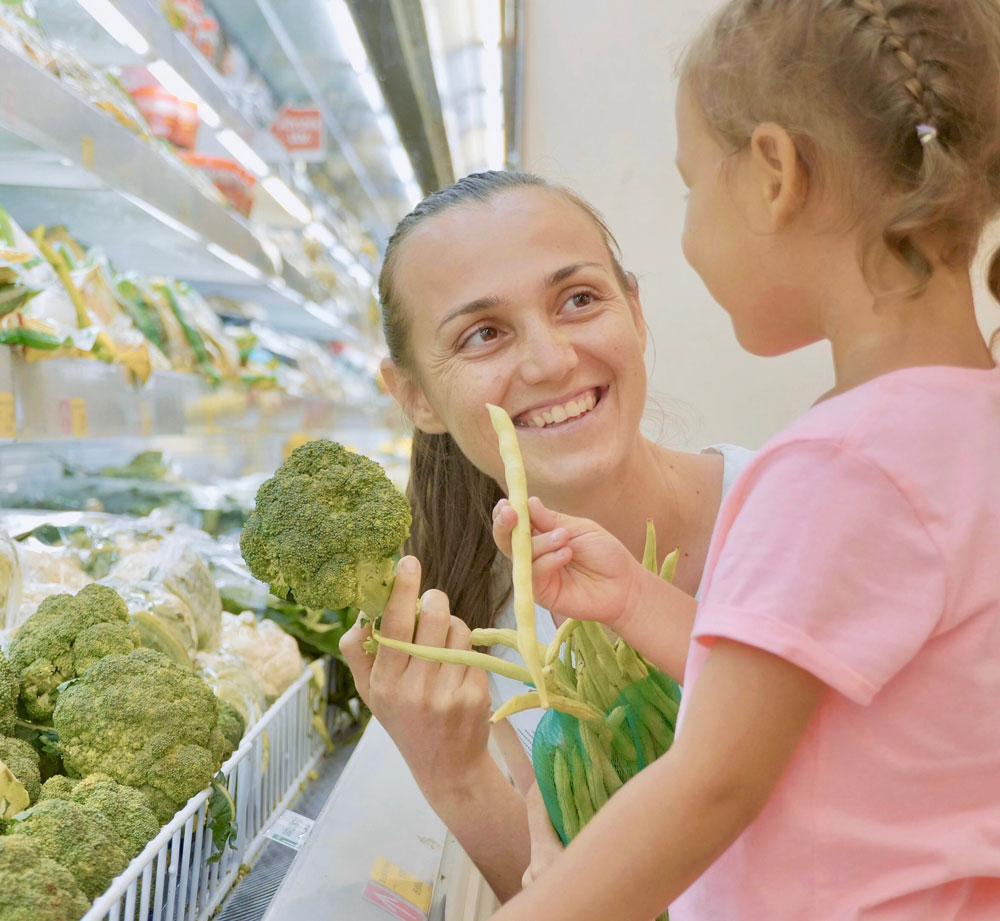
Young girl are smiling at each other in a grocery store

shopping Why Shopping Together Helps

When kids are part of food choices, food feels less scary.

Shopping together helps kids:

  • ✓ See new foods before they are on the plate
  • ✓ Touch, smell, and talk about foods
  • ✓ Feel in control and included
  • ✓ Build trust around trying new foods
Let Kids Help (Even Little Ones!)

Kids of all ages can help in simple ways at the grocery store. Letting them help and make choices at the grocery store helps them feel proud and more open to tasting new foods.

Toddlers and preschoolers can:
  • ✓ Point to fruits or veggies they like
  • ✓ Help place items in the cart
  • ✓ Count apples, bananas, or yogurt cups
school-age kids can:
  • ✓ Help find WIC shelf tags
  • ✓ Choose between two healthy options
  • ✓ Read labels with help
  • ✓ Check items off a shopping list
smiles at a baby in a shopping cart, both holding bananas

Explore Make WIC Foods Fun To Explore

Turn shopping into a learning game. This helps remove pressure and keeps things fun and positive.

TRY THIS:

  • ✓ Ask, “What color is this food?”
  • ✓ Let kids feel bumpy oranges or smooth eggs
  • ✓ Allow them to smell fresh herbs or spices
  • ✓ Talk about how foods grow (in the ground, on trees, from plants)
Tip!

Remember, kids don’t have to eat everything right away. Just seeing and exploring foods is a great first step.

You can say:
“We don’t have to eat it today, let’s just learn about it.”

Baby Blues Offer Simple Choices

Instead of asking, “What do you want?” try offering between two nutritious choices. This allows you to still guide the options, while your kids feel in control and empowered to decide.

EXAMPLES:

  • ✓ “Should we get brown rice or whole-wheat pasta?”
  • ✓ “Do you want strawberries or oranges this week?”
  • ✓ “Which beans should we try – black beans or pinto beans?”
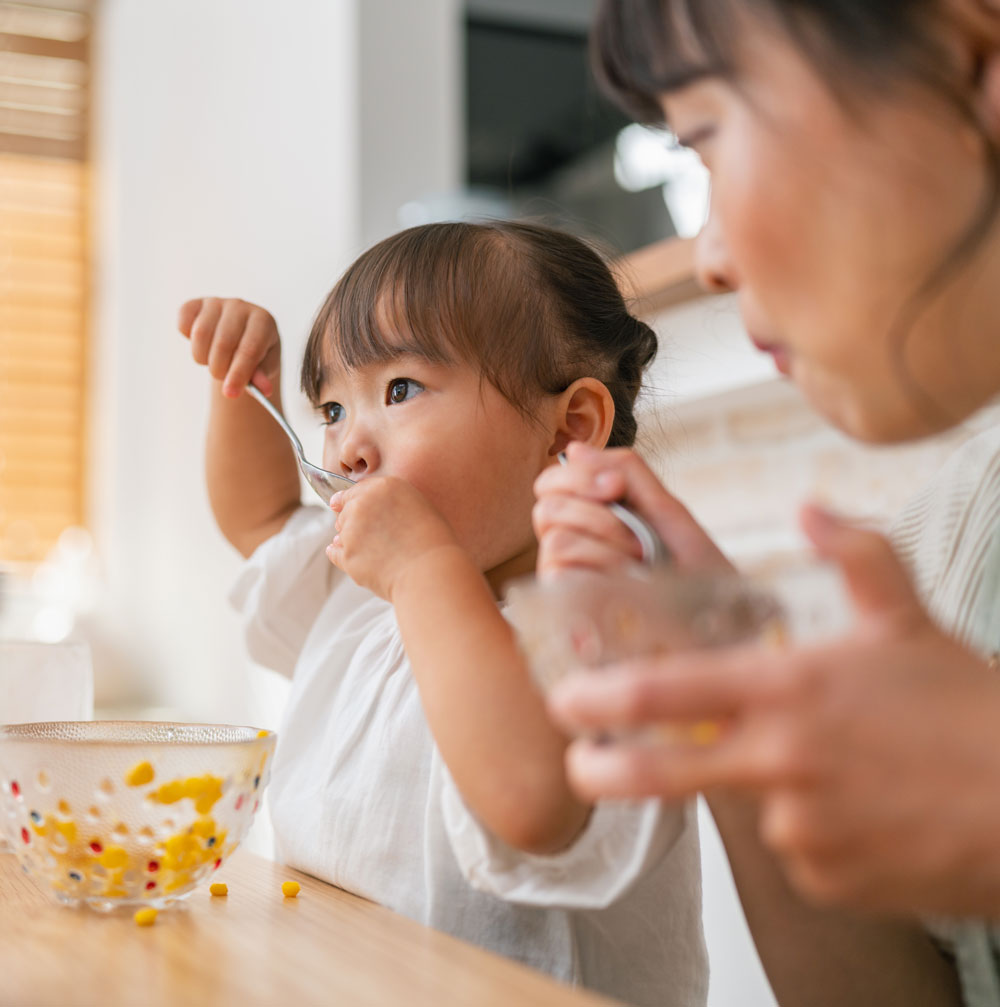
Child eating cereal with spoon, alongside an adult.

BabyBlues calander Keep Expectations Low

Trying a new food does not always mean loving it right away.

SUCCESS CAN LOOK LIKE:

  • ✓ Looking at a new food
  • ✓ Touching or smelling a new food
  • ✓ Taking one small bite of a new food
  • ✓ Calmly saying “no thank you” to a new food

All of these are wins! Food acceptance takes time.

Stress Matters Talk About Foods in a Positive Way

The words we use matter. Calm, friendly words help kids feel safe.

Try saying:
  • ✓ “This food helps our bodies grow strong.”
  • ✓ “Let’s see what this tastes like.”
  • ✓ “Everyone learns to like foods at their own speed.”
Avoid pressure like:
  • “Just take one more bite.”
  • “You liked this last time.”
  • “You have to eat it.”
Bring the Store Experience Home

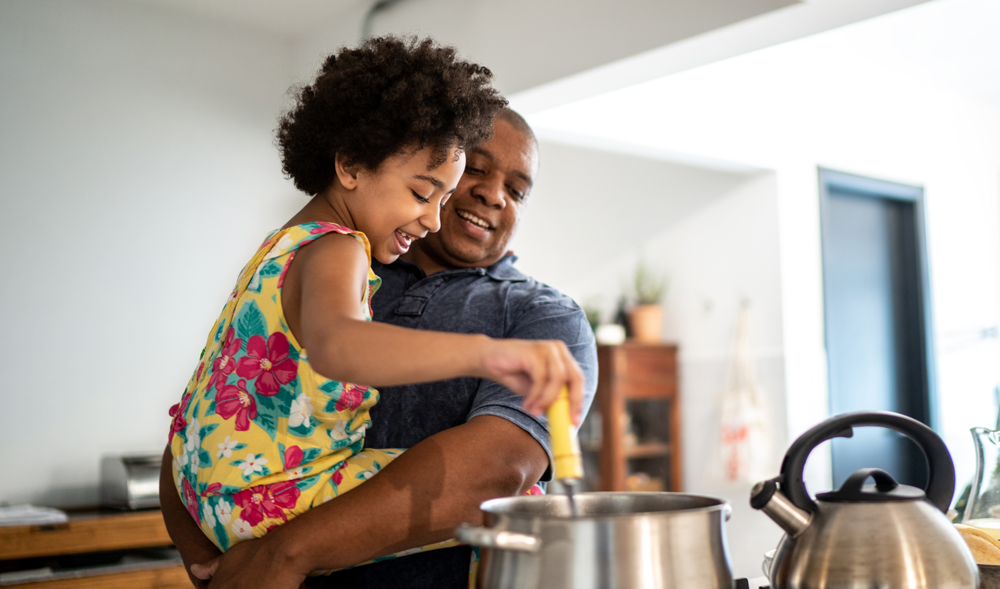
When kids help choose foods at the grocery store, involve them when it’s time to prepare those foods at home too. Kids are more likely to try foods they helped pick and prepare.

KIDS CAN HELP:

  • ✓ Wash fruits and vegetables
  • ✓ Stir ingredients
  • ✓ Set the table
  • ✓ Pick which food to serve first
Bring the Store Experience Home
Shopping with kids is not about perfect
Stress Matters The Big Picture

Shopping with kids is not about perfect meals. It’s about building trust with food. Over time, these small moments help kids feel comfortable trying new foods.

And remember – you are your child’s best teacher! They learn by watching, listening, and mimicking what you do. Every trip to the store is a chance to learn, explore, and grow together.

REFERENCES:

Maternal & Child Nutrition. (2013, April 5). Fruit and vegetable exposure in children is linked to the selection of a wider variety of healthy foods at school.
https://pmc.ncbi.nlm.nih.gov/articles/PMC3706523/

Open Journal of Preventive Medicine. (2015). Accompanying the Primary Grocery Shopper Is Positively Related to Requests for Purchase of Fruits & Vegetables in Third & Fourth Grade Students.
https://www.scirp.org/journal/paperinformation?paperid=58670

PLOS One. (2023, December 21). Perspectives on healthy eating practices and acceptance of WIC-approved foods among parents of young children enrolled in WIC.
https://journals.plos.org/plosone/article?id=10.1371/journal.pone.0295902

Society for Public Health Education. (2016). What Happens When Parents and Children Go Grocery Shopping? An Observational Study of Latino Dyads in Southern California, USA.
https://pmc.ncbi.nlm.nih.gov/articles/PMC5435120/

Author: Amanda Hojnacki

You May Also Like...

October 15, 2025

Pumpkin Fun: Free and Healthy Activities for Kids Under 5

Play, Learn, and Grow with Pumpkins Pumpkins aren’t just for carving! They’re healthy, fun, and great for learning, too. Pumpkins are full of good stuff like vitamins A and C.…

Read More
1
August 27, 2025

Letting Your Child Play with Food Can Be a Good Thing

Letting Your Child Play with Food Can Be a Good Thing You may have heard (or even said yourself), “Don’t play with your food!” But what if playing with food…

Read More
3
July 16, 2025

Is Snack Time Treat Time?

Many people think snacks and treats are the same. But they’re not! Let’s break it down. What Is a Snack? A snack is a small amount of food you eat…

Read More
0
  • Infant
    • When to Start Peanut and Egg to Help Prevent Allergies
    • The Basics of Paced Bottle-Feeding
    • How Do I Know If My Baby Could Be Tongue-Tied?
    • Protect Your Baby from Cronobacter
    • Exploring the World with Baby – Sensory Play
  • Children
    • Pumpkin Fun: Free and Healthy Activities for Kids Under 5
    • Letting Your Child Play with Food Can Be a Good Thing
    • Is Snack Time Treat Time?
    • Fun Ways to Learn About Healthy Food and Get Moving!
    • Your Questions Answered: Taking Care of Your Child’s Teeth Age 1-5
  • General /Family
    • Avoiding Food Waste
    • The 2025-2030 Dietary Guidelines for Americans – What Families Need to Know
    • Finding Calm When Life Gets Busy: Stress-Management for Parents
    • February Is National Heart Month: Simple Ways to Show Your Heart Some Love
    • 10 Ways to Enjoy Avocados – And Helpful Tips to Feed with Confidence
  • Women
    • Getting a Good Latch: Breastfeeding Positions & Holds That Help
    • Newborn Hunger Cues: How to Know When Your Baby Is Hungry or Full
    • How to Know Your Baby Is Getting Enough Breastmilk
    • Breastfeeding Through Growth Spurts and Sleep Changes
    • Baby Blues… or Is It Something More?
  • Recipes
    • Fresh & Easy Spring Veggie Pasta
    • Heart-Healthy Recipe: Banana Berry Oatmeal Cups
    • Is the Chia Seed Challenge Worth It?
    • Extra Vegetables Quiche
    • Easy Pumpkin Muffins
LiveWell WIC program logo

Contact Us

USDA is an equal opportunity provider, employer, and lender.

Cookie PolicyAbout UsPrivacy PolicyTerms of Agreement

© Brush Art Corporation

  • Email
  • SMS
If you are using multiple emails, separate them with commas.

    SMS Communication Consent

    Share

    Share this link via:

    Cartoon vegetables with leafy tops gather playfully together.

    Side-Lying Hold

    1. For the right breast, lie on your right side with your baby facing you.
    2. Pull your baby close. Your baby’s mouth should be level with your nipple.
    3. In this position, you can cradle your baby’s back with your left arm and support yourself with your right arm and/or pillows.
    4. Keep loose clothing and bedding away from your baby.
    5. Reverse for the left breast.

    This hold is useful when:

    • You had a C-section
    • You want to rest while baby feeds
    • You are breastfeeding in the middle of the night
    • You and your baby are comfortable in this position
    Yellow circle with abstract, jagged shapes and patterns.

    Cross-Cradle Hold

    1. For the right breast, use your left arm to hold your baby’s head at your right breast and baby’s body toward your left side. A pillow across your lap can help support your left arm.
    2. Gently place your left hand behind your baby’s ears and neck, with your thumb and index finger behind each ear and your palm between baby’s shoulder blades. Turn your baby’s body toward yours so your tummies are touching.
    3. Hold your breast as if you are squeezing a sandwich. To protect your back, avoid leaning down to your baby. Instead, bring your baby to you.
    4. As your baby’s mouth opens, push gently with your left palm on baby’s head to help them latch on. Make sure you keep your fingers out of the way.
    5. Reverse for the left breast.

    This hold is useful when:

    • Your baby is premature
    • Your baby has a weak suck
    • Your baby needs help to stay latched
    • Your baby needs extra head support
    • You and your baby are comfortable in this position
    Cat playing with butterfly in a garden.

    Clutch or “Football” Hold

    1. For the right breast, hold your baby level, facing up, at your right side.
    2. Put your baby’s head near your right nipple and support their back and legs under your right arm.
    3. Hold the base of your baby’s head with your right palm. A pillow underneath your right arm can help support your baby’s weight.
    4. To protect your back, avoid leaning down to your baby. Bring baby to you instead.
    5. Reverse for the left breast.

    This hold is useful when:

    • You had a C-section
    • You have large breasts
    • You have flat or inverted nipples
    • You have a strong milk let-down
    • You are breastfeeding twins
    • Your baby likes to feed in an upright position
    • Your baby has reflux
    • You and your baby are comfortable in this position
    Peach circle with abstract shapes radiating outward.

    Cradle Hold

    1. For the right breast, cradle your baby with your right arm. Your baby will be on their left side across your lap, facing you at nipple level.
    2. Your baby’s head will rest on your right forearm with your baby’s back along your inner arm and palm.
    3. Turn your baby’s tummy toward your tummy. Your left hand is free to support your breast, if needed. Pillows can help support your arm and elbow.
    4. To protect your back, avoid leaning down to your baby. Instead, bring your baby to you.
    5. Reverse for the left breast.

    This hold is useful when:

    • Your baby needs help latching on
    • You and your baby are comfortable in this position
    Smiling peach character waving cheerful hello.

    Laid-Back Hold

    1. Lean back on a pillow with your baby’s tummy touching yours and their head at breast level. Some moms find that sitting up nearly straight works well. Others prefer to lean back and lie almost flat.
    2. You can place your baby’s cheek near your breast, or you may want to use one hand to hold your breast near your baby. It’s up to you and what you think feels best.
    3. Your baby will naturally find your nipple, latch, and begin to suckle.

    This hold is useful when:

    • Your baby is placed on your chest right after birth
    • You have a strong milk let-down
    • You have large breasts
    • You and your baby are comfortable in this position