
Skip to Content Skip to Footer
LiveWell WIC logo
Livewell Wic
  • Home
  • Ellyn Satter
    • Ellyn Satter
      Prenatal / Postpartum
    • Ellyn Satter
      Newborn / Infant
    • Ellyn Satter
      Older Baby / Almost Toddler
    • Ellyn Satter
      Toddler / Preschooler
  • Breastfeeding
  • Eat·Grow·Live Healthy
    • Eat·Grow·Live Healthy
      Women
    • Eat·Grow·Live Healthy
      Infants
    • Eat·Grow·Live Healthy
      Children
    • Eat·Grow·Live Healthy
      Fathers
  • Live Well Blog
  • Español
Confetti-Bean-Salad-banner

Confetti Bean Salad

  • Home
  • Live Well Blog
  • Confetti Bean Salad
September 17, 2025 Recipes

Stay Full, Stay Strong

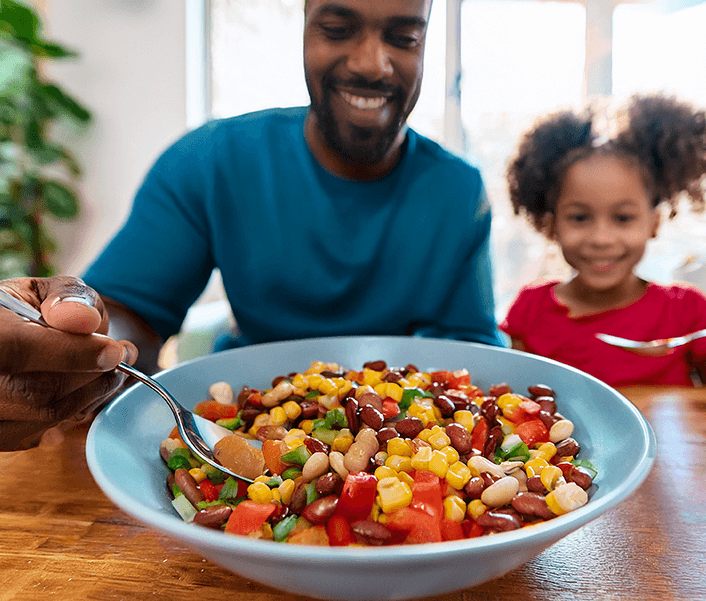
Looking for a healthy and tasty recipe the whole family will enjoy?

This simple bean salad is packed with protein, iron, vitamin C, and fiber. It’s a great way to help your body stay strong and feel full longer.

Prep Time: 15 minutes
Serving Size: 1/3 cup
Servings: 15
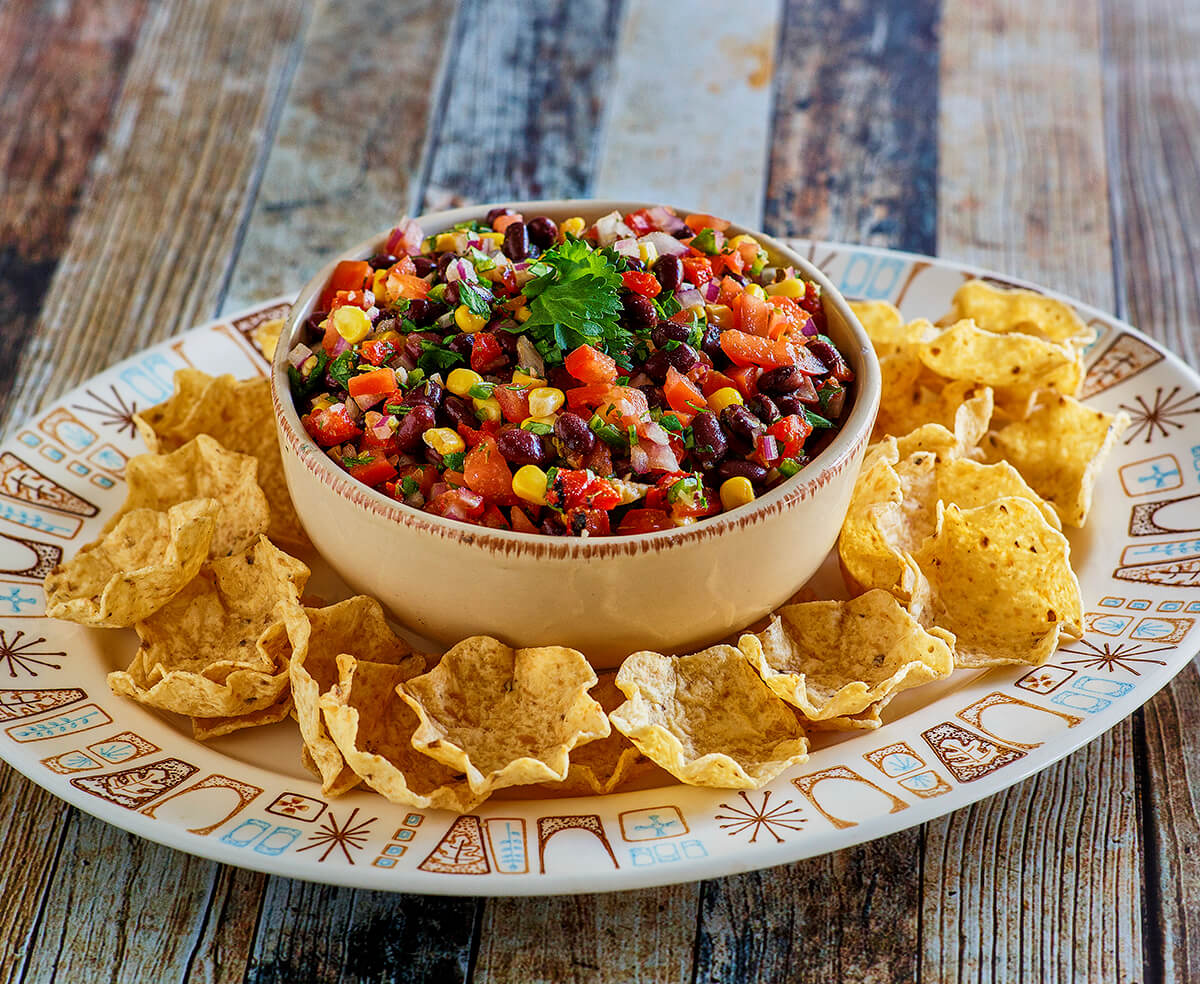
Bowl of colorful salsa surrounded by tortilla chips.
Friendly-Closeup-Eating
1LineArt_ConfettiBeanSalad

Kid-Friendly and Easy to Make Ahead

This recipe is perfect for busy families. Make it ahead of time and keep it in the fridge for up to 4 days for quick meals or snacks.

Try it!
Confetti_Bean_onSalad

On top of a salad

Confetti_Bean_inTortilla

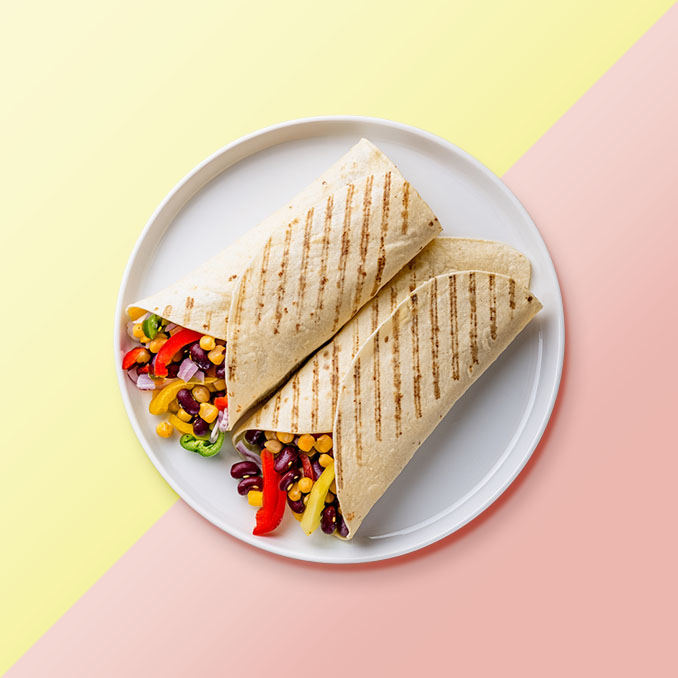
Wrapped in a tortilla

Confetti_Bean_wChips

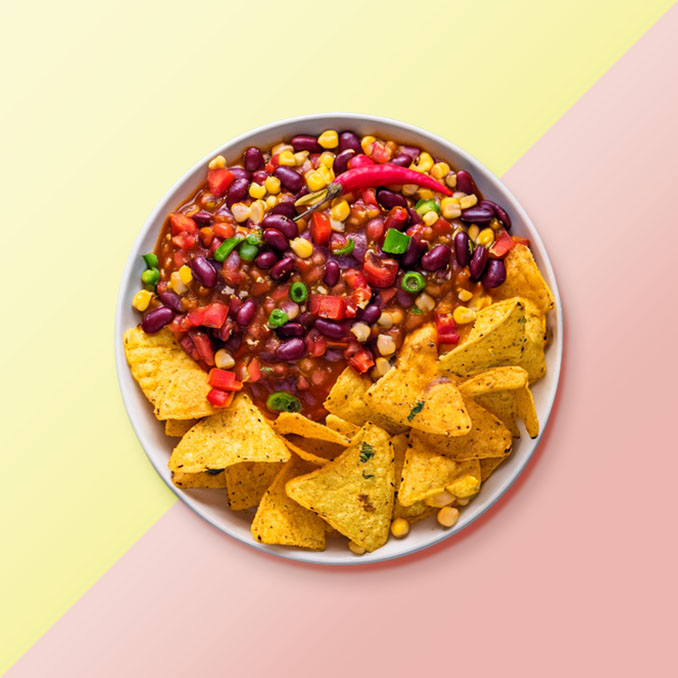
As a dip with Tortilla chips

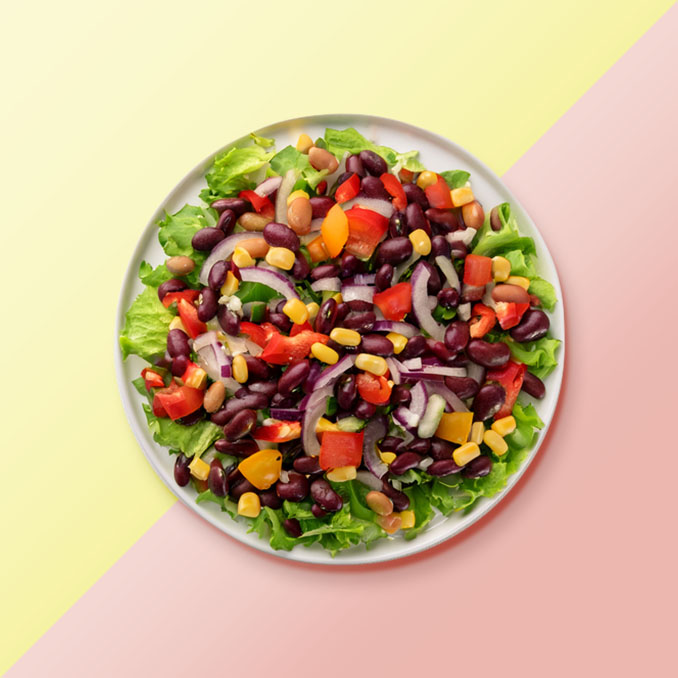
Colorful salad in bowl on pastel background.

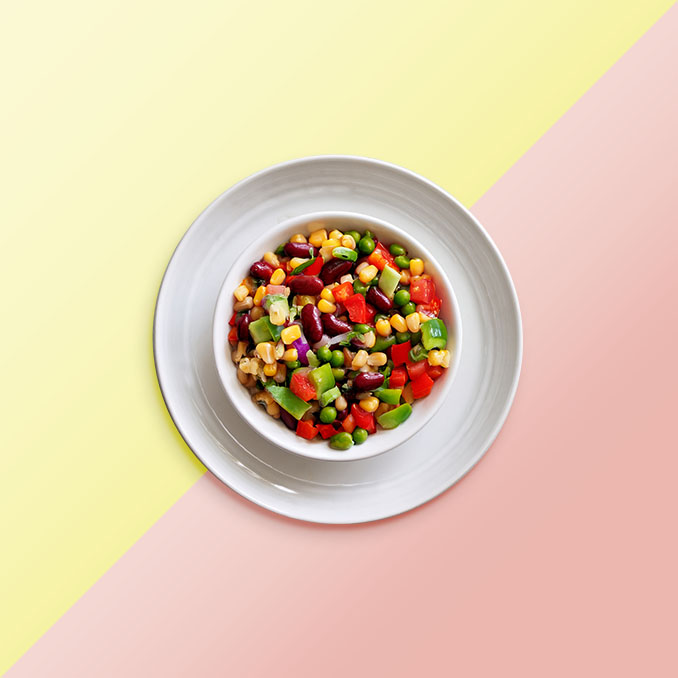
On its own as a snack or light lunch

favorite-herbs

Did you know?

You can also use dried beans if you cook them ahead of time. Feel free to add your favorite herbs and spices, or mix in an avocado or diced tomato to make it your own!

Kitchen Equipment Icon Equipment You’ll Need

Large Mixing Bowl

Large bowl

Stirring Spoon Icon

Spoon

Can Opener Icon

Can opener

Kitchen Knife Icon

Knife

Cutting Board Icon

Cutting Board

Measuring Cups Icon

Measuring Cups

Tortilla-Ingredients

green-chiles Ingredients

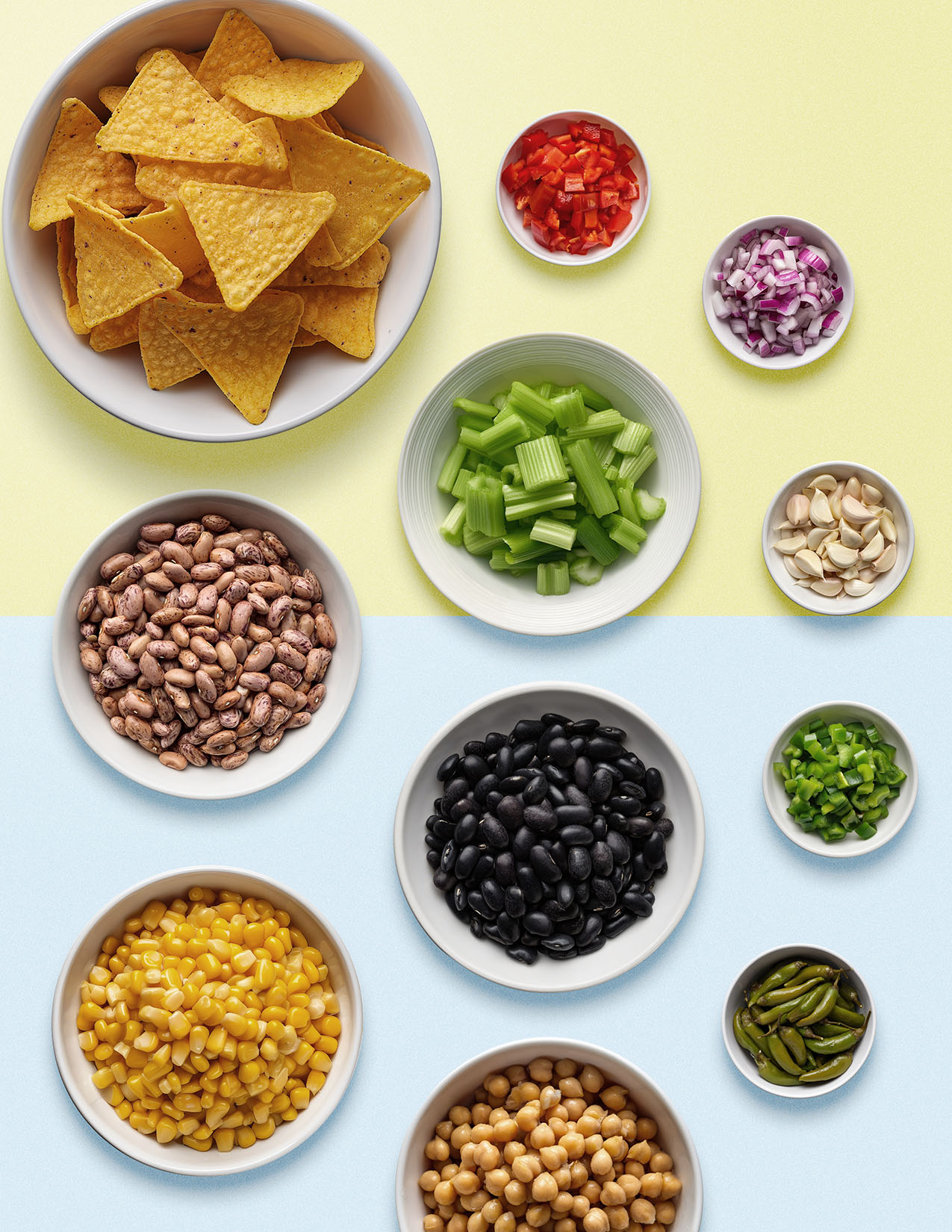
  • 15 ½ oz black beans (canned, no salt added, drained and rinsed)
  • 15 ½ oz pinto beans (canned, no salt added, drained and rinsed)
  • 15 ½ oz chickpeas/garbanzo beans (canned, no salt added, drained and rinsed)
  • 15 ½ oz corn (canned, no salt added, drained and rinsed)
  • 4 oz can of green chiles
  • 1 green pepper (small, chopped)
  • 1 red pepper (small, chopped)
  • 1 red onion (small, chopped)
  • 5 stalks of celery (chopped)
  • 3 cloves of garlic (chopped, or 1/2 tbsp. garlic powder)
  • ¾ cup olive oil
  • ½ cup apple cider vinegar
  • Salt and pepper (to taste)
  • Tortilla chips (optional)

Recipe Instructions Icon Instructions

Hands under running water with soap bubbles.
1.

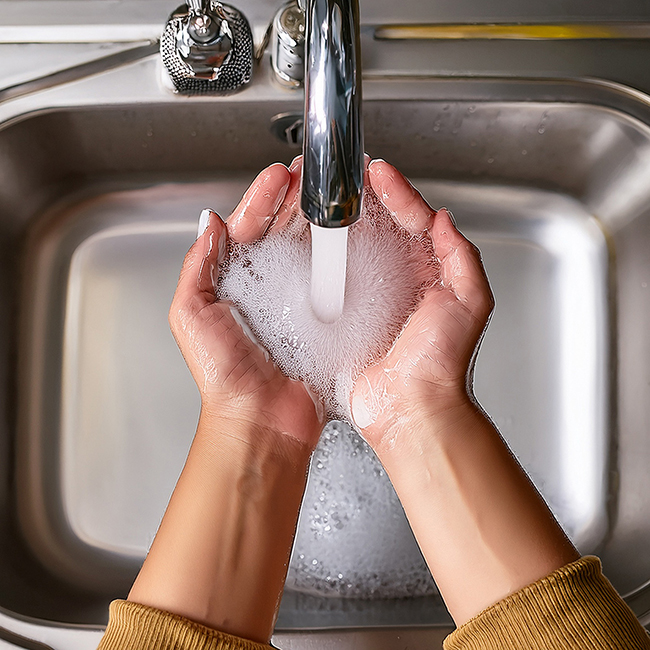
Before you begin, wash your hands, surfaces, utensils,
and vegetables.
Pouring Oil into Confetti Bean
2.

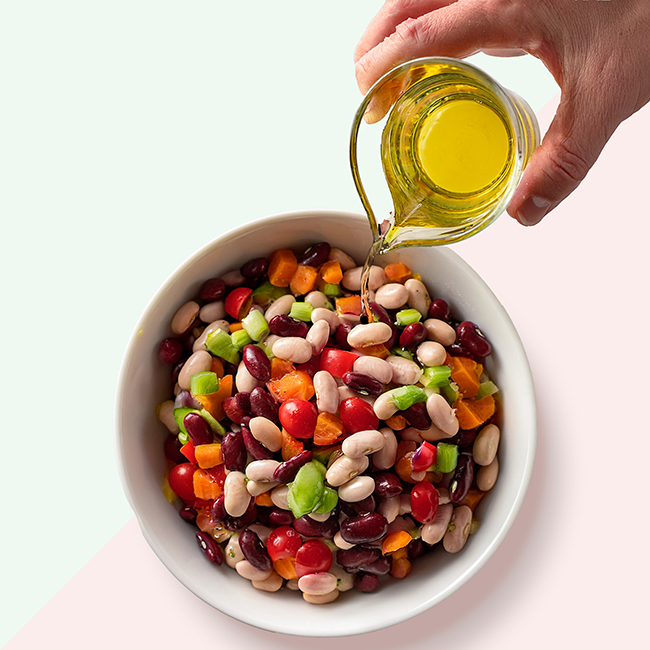
In a large bowl, add all of the chopped ingredients and canned goods, then add oil and vinegar.
Stirring Confetti Bean Salad
3.

Stir everything together, then taste for seasoning! Add salt and pepper if you’d like.
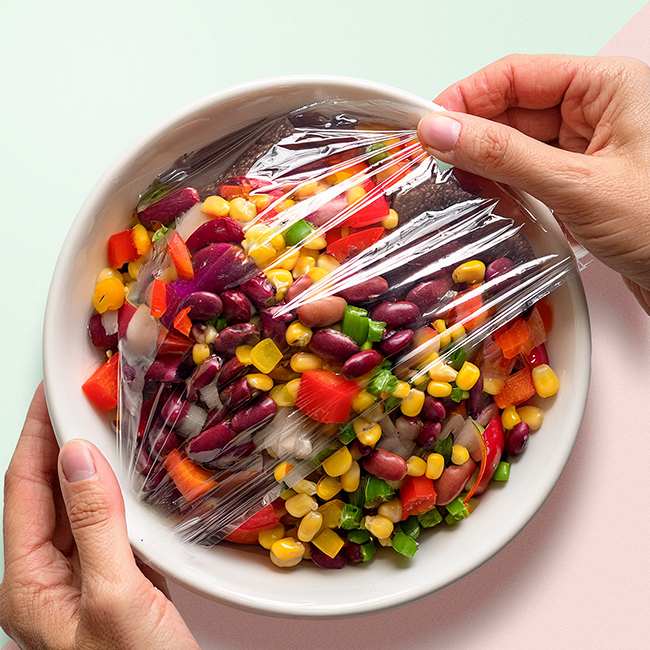
Wrapping Confetti Bean Salad
4.

Cover and chill in the fridge for at least 30 minutes, or overnight to let the flavors blend together.
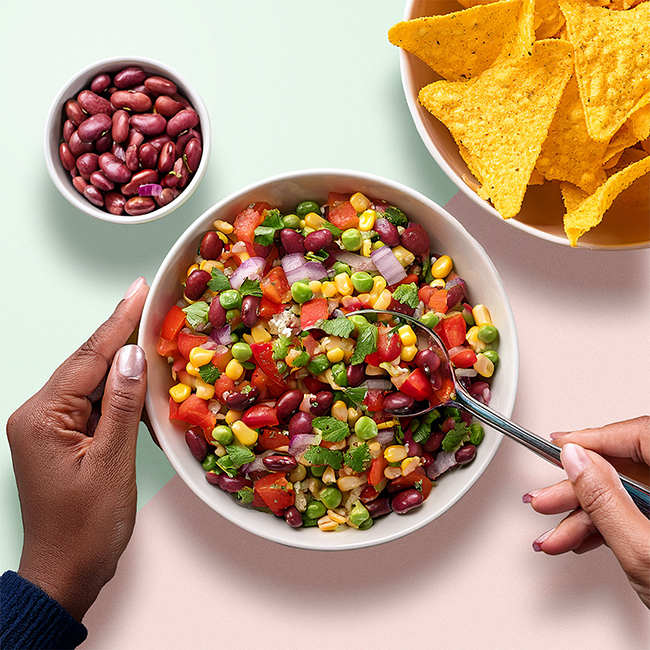
Serving Confetti Beand Dip
5.

Serve chilled or at room temperature as a dip with tortilla chips, side dish, or snack.

good recipe Why is this recipe so good for you?

Chickpea Garbanzo Beans Overhead

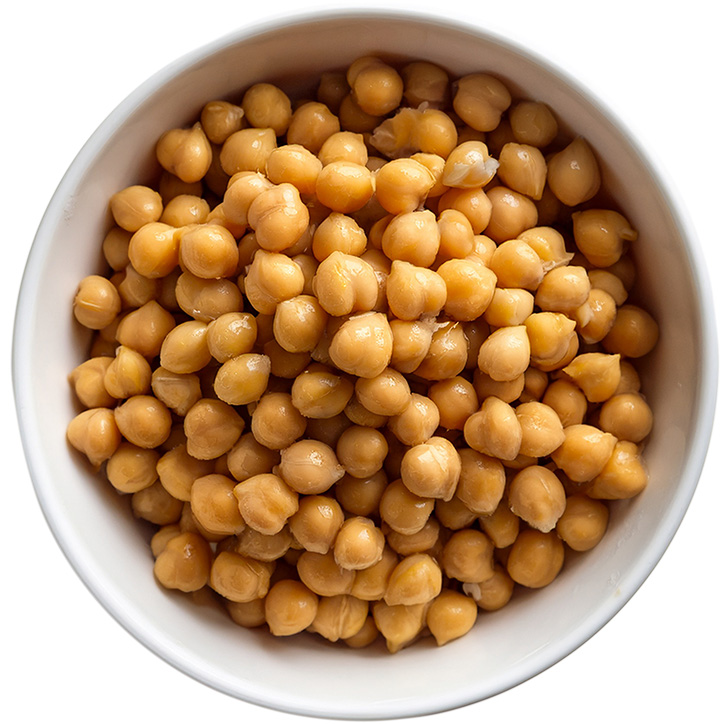
Beans like chickpeas and black beans are full of iron, which helps carry oxygen in your blood.
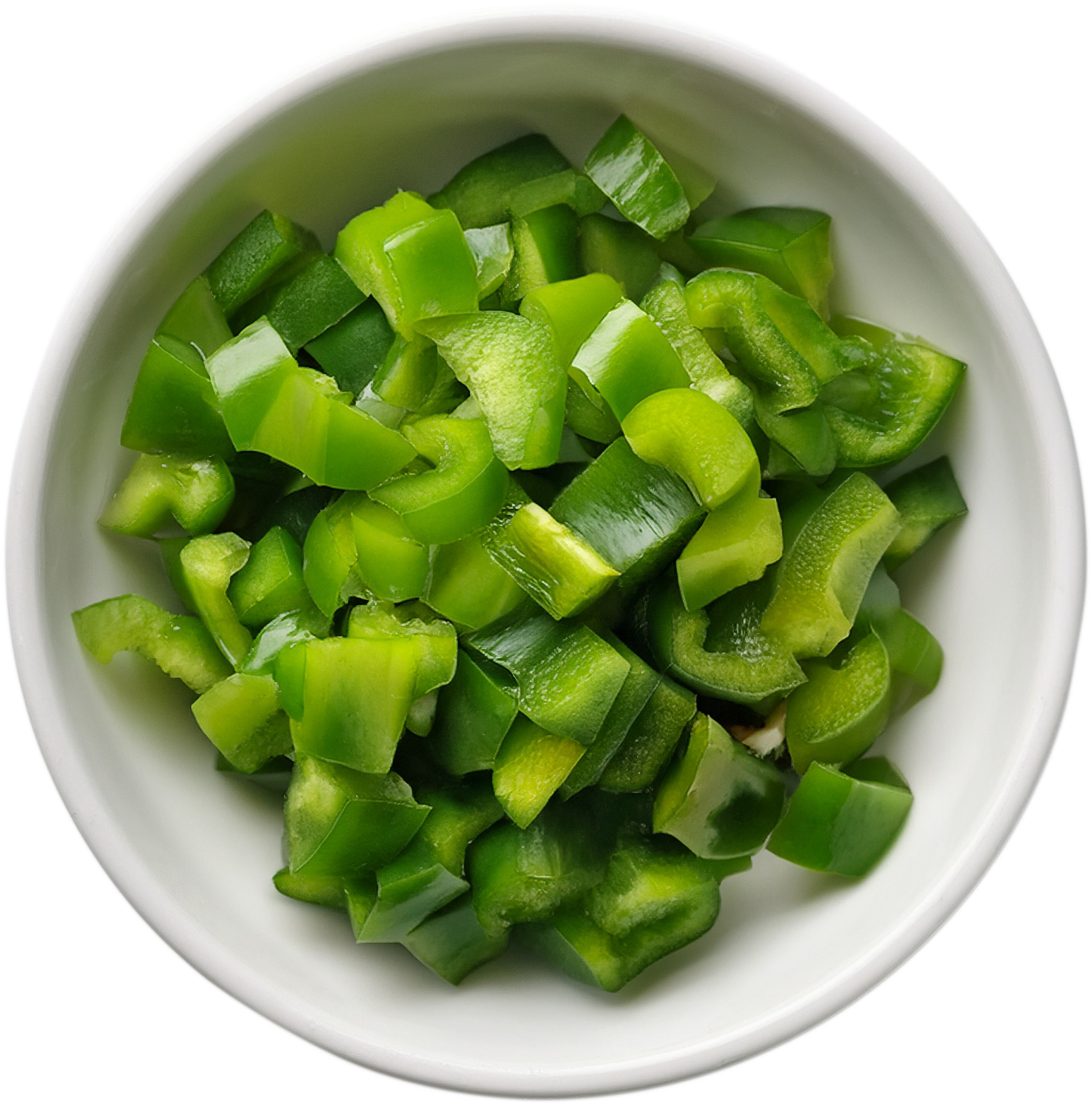
Green Pepper Diced Overhead

Veggies like peppers have lots of vitamin C, which helps your body use that iron.
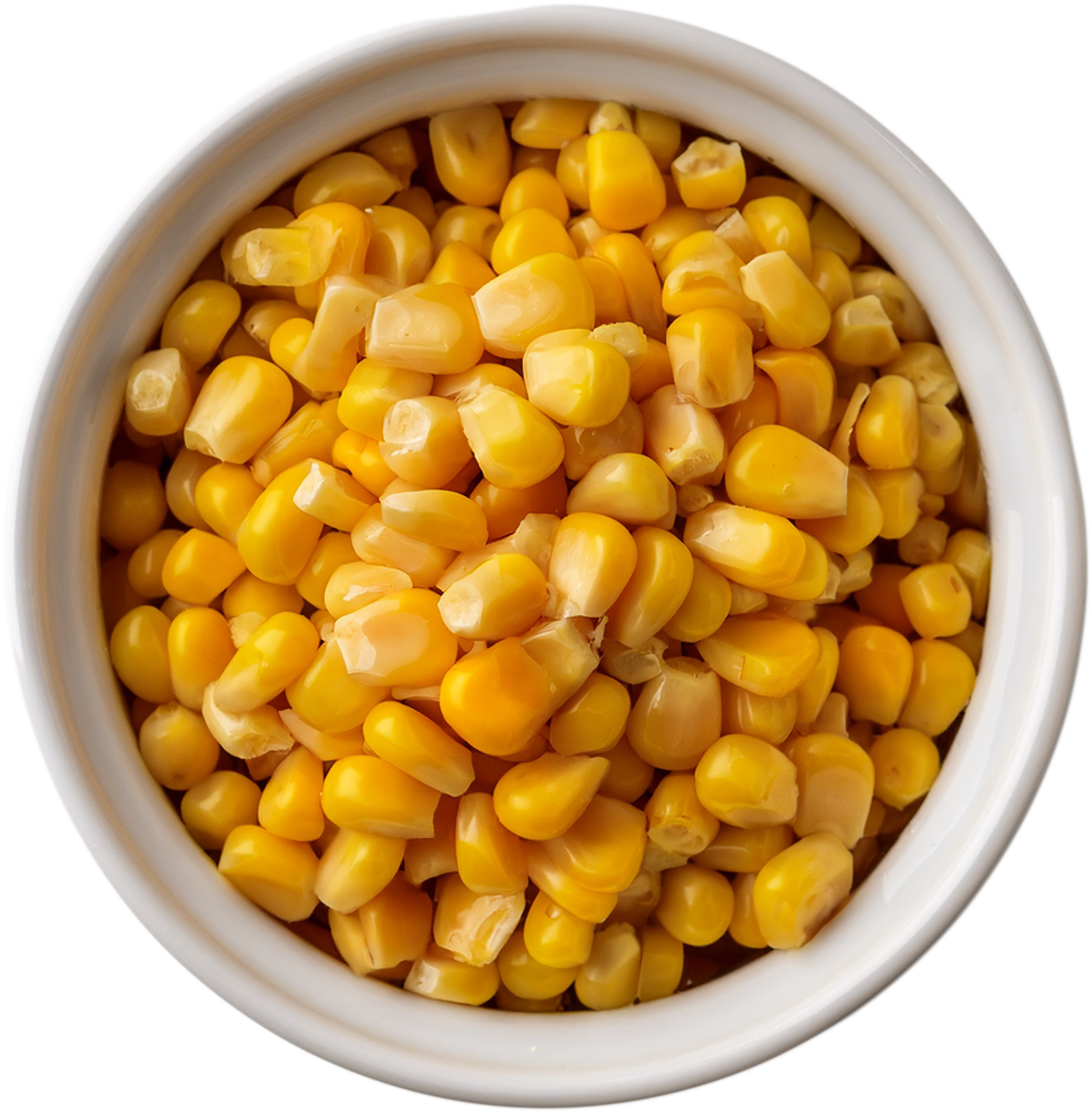
Corn Canned Overhead

Fiber is good for your digestion.

REFERENCES:

Adapted from:
https://wicworks.fns.usda.gov/recipe/cowboy-caviar

You May Also Like...

April 22, 2026

Fresh & Easy Spring Veggie Pasta

A Simple, Colorful Meal Your Whole Family Can Enjoy Spring is a great time to add fresh flavors and bright colors to your family’s meals. As the weather warms up,…

Read More
1
February 18, 2026

Heart-Healthy Recipe: Banana Berry Oatmeal Cups

Banana Berry Oatmeal Cups February is all about showing your heart some love! One tasty way to do that is by eating foods that help your heart stay strong, like…

Read More
2
December 31, 2025

Is the Chia Seed Challenge Worth It?

Is the Chia Seed Challenge Worth It? If you’ve spent time on TikTok or Instagram, you may have seen people trying the 30-day chia seed challenge. It’s gotten a lot…

Read More
2
  • Infant
    • When to Start Peanut and Egg to Help Prevent Allergies
    • The Basics of Paced Bottle-Feeding
    • How Do I Know If My Baby Could Be Tongue-Tied?
    • Protect Your Baby from Cronobacter
    • Exploring the World with Baby – Sensory Play
  • Children
    • Shopping With Kids: A Simple Way to Help Them Like More Foods
    • Pumpkin Fun: Free and Healthy Activities for Kids Under 5
    • Letting Your Child Play with Food Can Be a Good Thing
    • Is Snack Time Treat Time?
    • Fun Ways to Learn About Healthy Food and Get Moving!
  • General /Family
    • Avoiding Food Waste
    • The 2025-2030 Dietary Guidelines for Americans – What Families Need to Know
    • Finding Calm When Life Gets Busy: Stress-Management for Parents
    • February Is National Heart Month: Simple Ways to Show Your Heart Some Love
    • 10 Ways to Enjoy Avocados – And Helpful Tips to Feed with Confidence
  • Women
    • Getting a Good Latch: Breastfeeding Positions & Holds That Help
    • Newborn Hunger Cues: How to Know When Your Baby Is Hungry or Full
    • How to Know Your Baby Is Getting Enough Breastmilk
    • Breastfeeding Through Growth Spurts and Sleep Changes
    • Baby Blues… or Is It Something More?
  • Recipes
    • Fresh & Easy Spring Veggie Pasta
    • Heart-Healthy Recipe: Banana Berry Oatmeal Cups
    • Is the Chia Seed Challenge Worth It?
    • Extra Vegetables Quiche
    • Easy Pumpkin Muffins
LiveWell WIC program logo

Contact Us

USDA is an equal opportunity provider, employer, and lender.

Cookie PolicyAbout UsPrivacy PolicyTerms of Agreement

© Brush Art Corporation

  • Email
  • SMS
If you are using multiple emails, separate them with commas.

    SMS Communication Consent

    Share

    Share this link via:

    Cartoon vegetables with leafy tops gather playfully together.

    Side-Lying Hold

    1. For the right breast, lie on your right side with your baby facing you.
    2. Pull your baby close. Your baby’s mouth should be level with your nipple.
    3. In this position, you can cradle your baby’s back with your left arm and support yourself with your right arm and/or pillows.
    4. Keep loose clothing and bedding away from your baby.
    5. Reverse for the left breast.

    This hold is useful when:

    • You had a C-section
    • You want to rest while baby feeds
    • You are breastfeeding in the middle of the night
    • You and your baby are comfortable in this position
    Yellow circle with abstract, jagged shapes and patterns.

    Cross-Cradle Hold

    1. For the right breast, use your left arm to hold your baby’s head at your right breast and baby’s body toward your left side. A pillow across your lap can help support your left arm.
    2. Gently place your left hand behind your baby’s ears and neck, with your thumb and index finger behind each ear and your palm between baby’s shoulder blades. Turn your baby’s body toward yours so your tummies are touching.
    3. Hold your breast as if you are squeezing a sandwich. To protect your back, avoid leaning down to your baby. Instead, bring your baby to you.
    4. As your baby’s mouth opens, push gently with your left palm on baby’s head to help them latch on. Make sure you keep your fingers out of the way.
    5. Reverse for the left breast.

    This hold is useful when:

    • Your baby is premature
    • Your baby has a weak suck
    • Your baby needs help to stay latched
    • Your baby needs extra head support
    • You and your baby are comfortable in this position
    Cat playing with butterfly in a garden.

    Clutch or “Football” Hold

    1. For the right breast, hold your baby level, facing up, at your right side.
    2. Put your baby’s head near your right nipple and support their back and legs under your right arm.
    3. Hold the base of your baby’s head with your right palm. A pillow underneath your right arm can help support your baby’s weight.
    4. To protect your back, avoid leaning down to your baby. Bring baby to you instead.
    5. Reverse for the left breast.

    This hold is useful when:

    • You had a C-section
    • You have large breasts
    • You have flat or inverted nipples
    • You have a strong milk let-down
    • You are breastfeeding twins
    • Your baby likes to feed in an upright position
    • Your baby has reflux
    • You and your baby are comfortable in this position
    Peach circle with abstract shapes radiating outward.

    Cradle Hold

    1. For the right breast, cradle your baby with your right arm. Your baby will be on their left side across your lap, facing you at nipple level.
    2. Your baby’s head will rest on your right forearm with your baby’s back along your inner arm and palm.
    3. Turn your baby’s tummy toward your tummy. Your left hand is free to support your breast, if needed. Pillows can help support your arm and elbow.
    4. To protect your back, avoid leaning down to your baby. Instead, bring your baby to you.
    5. Reverse for the left breast.

    This hold is useful when:

    • Your baby needs help latching on
    • You and your baby are comfortable in this position
    Smiling peach character waving cheerful hello.

    Laid-Back Hold

    1. Lean back on a pillow with your baby’s tummy touching yours and their head at breast level. Some moms find that sitting up nearly straight works well. Others prefer to lean back and lie almost flat.
    2. You can place your baby’s cheek near your breast, or you may want to use one hand to hold your breast near your baby. It’s up to you and what you think feels best.
    3. Your baby will naturally find your nipple, latch, and begin to suckle.

    This hold is useful when:

    • Your baby is placed on your chest right after birth
    • You have a strong milk let-down
    • You have large breasts
    • You and your baby are comfortable in this position