Chia-Seed-banner

Is the Chia Seed Challenge Worth It?
December 31, 2025 General /FamilyRecipes

 Chia Seed Challenge Is the Chia Seed Challenge Worth It?

If you’ve spent time on TikTok or Instagram, you may have seen people trying the 30-day chia seed challenge. It’s gotten a lot of attention, but is it actually good for you? Let’s look at the facts before you give it a try.

Chia-Seed-Challenge-img

  Few Words of Caution A Few Words of Caution
Chia seeds can be healthy, but there are some important safety tips to know first:

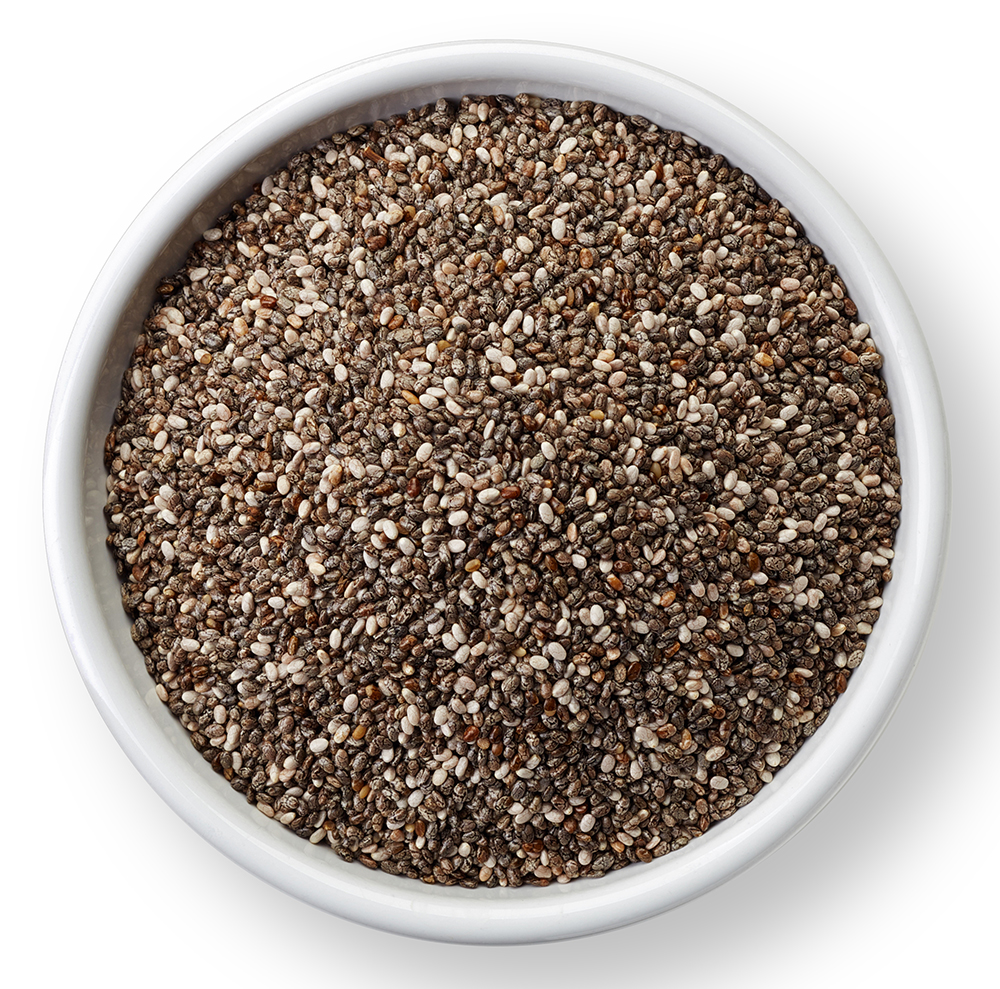
Chia seeds

Never eat dry chia seeds.

Chia seeds soak up water – up to 12 times their weight! If you eat them dry, they can swell in your throat and cause choking. They can also block your intestines if they expand in your digestive system.

Don’t use chia seed water as a meal replacement.

Chia seed water can be a healthy drink, but it doesn’t give your body all the nutrients you need from a full meal.

University student motions towards her chest as she describes the discomfort she has been experiencing

Talk with your doctor if you have digestive problems.

People with conditions like inflammatory bowel disease should avoid adding lots of fiber unless a doctor says it’s okay.

Start slow and drink plenty of water.

Just one tablespoon of chia seeds has about 5 grams of fiber. If you eat too much too fast, you could have gas, bloating, or stomach pain.

Health
Benefits The Health Benefits of Chia Seeds

Chia seeds are what nutrition experts call a “functional food.” That means they offer health benefits beyond basic nutrition. These tiny seeds are full of antioxidants, omega-3 fats, and plant compounds that may reduce inflammation and help protect your heart.

Health-Benefit-Chia-seeed

Here’s what chia seeds may do for your health:

Help control blood sugar.

The fiber in chia seeds slows down digestion, which can help prevent blood sugar spikes. (If you take insulin or medicine for blood sugar, check with your doctor first.)

Help you feel full longer.

When chia seeds soak up liquid, they form a soft gel that fills your stomach and helps you feel satisfied—so you may eat less at your next meal.

Lower blood pressure.

Studies show chia seeds can help lower blood pressure, but they shouldn’t replace medicine.

Support a healthy gut.

Chia seeds have prebiotic fiber, which feeds the “good” bacteria in your gut. A healthy gut helps your immune system and digestion work better.

Support mental health and pregnancy.

The omega-3 fats and prebiotic fiber in chia seeds may lower the risk of depression, especially during pregnancy.

Help with weight management and inflammation.

Some research shows chia seeds can help people with Type 2 diabetes reduce inflammation and lose weight.

way to eat seeds Easy Ways to Eat Chia Seeds

Chia seeds are best eaten raw and soaked in liquid – this helps them keep their nutrients and helps your body digest them.

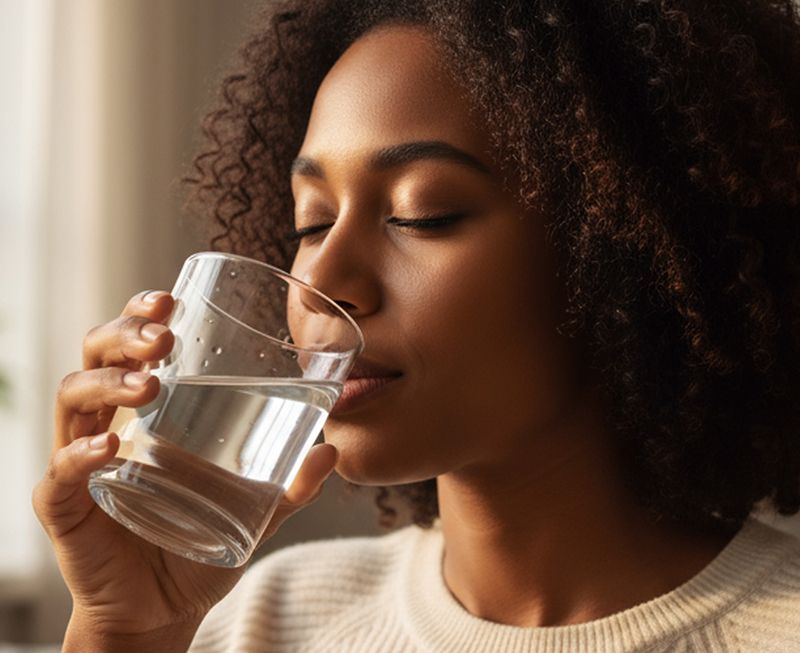
If you want to make chia seed water, mix 1–2 tablespoons of chia seeds with 1 cup of water. Let it sit for a few minutes then drink it before it gets too thick. If you’re new to fiber, start with smaller amounts first.

Here’s another simple recipe using chia seeds:

Chia Pudding
1.

Mix 2 tablespoons of chia seeds with ½ cup of milk, kefir, or fruit juice.

Chia Pudding - Step 2
2.

Add fruit or a little sweetener if using unsweetened liquid. Try adding vanilla, cinnamon, or pumpkin pie spice for extra flavor.

3.

Stir well and let sit for 5 minutes, then stir again to break up clumps.
Chia Pudding - Step 4
4.

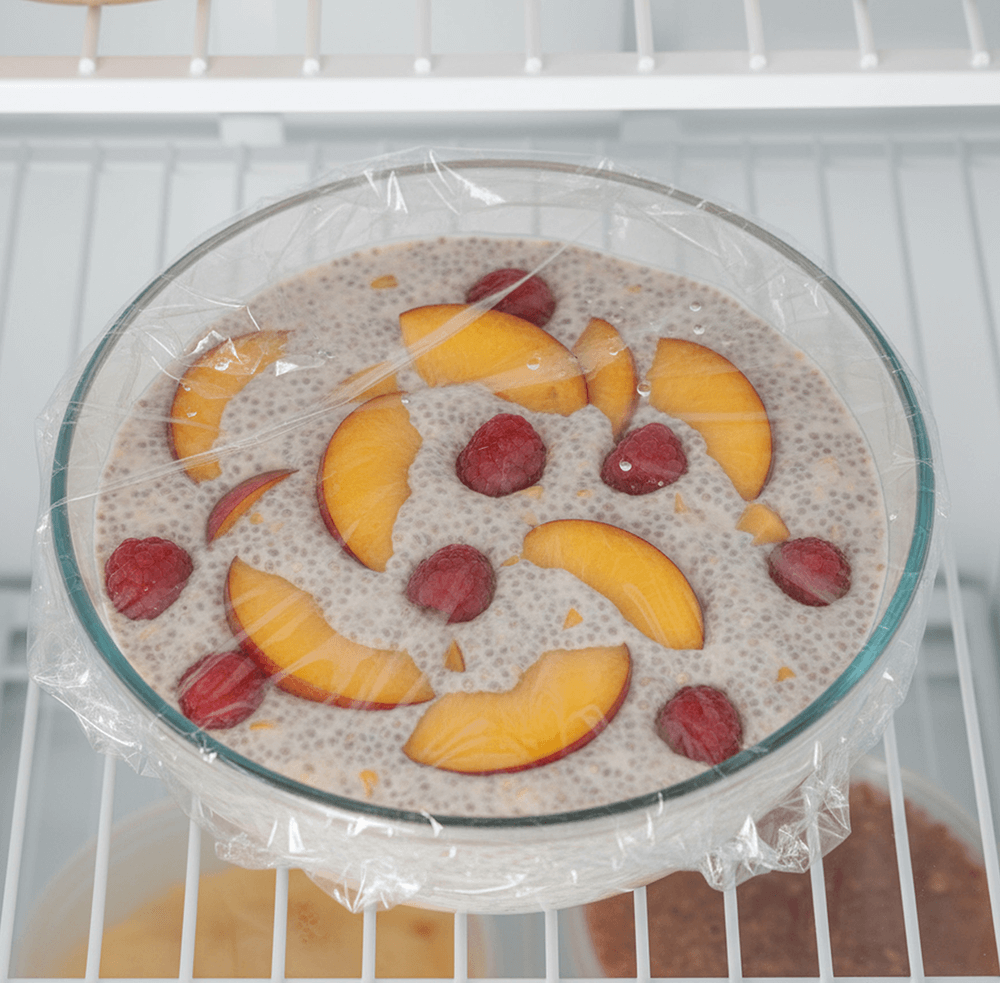
Refrigerate for a few hours or overnight.
Chia Pudding - Step 5
5.

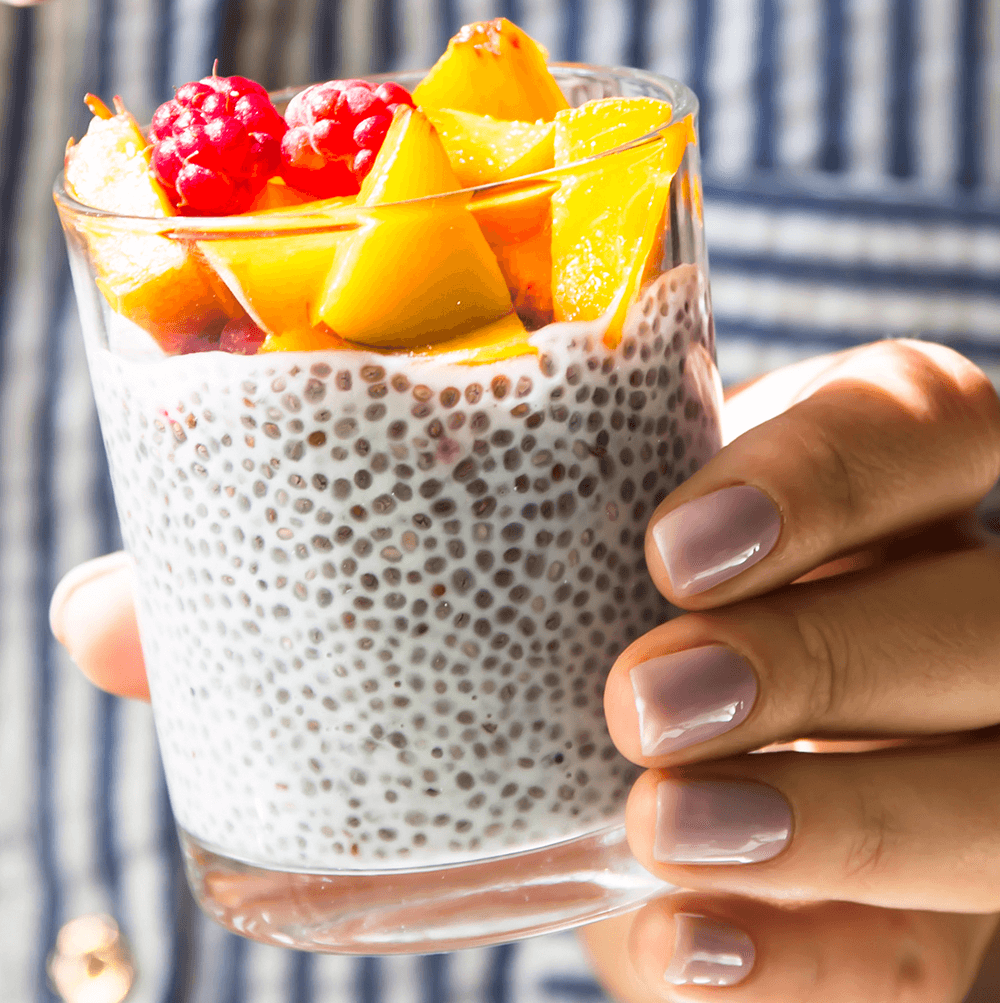
Top with sliced fruit, serve, and enjoy!
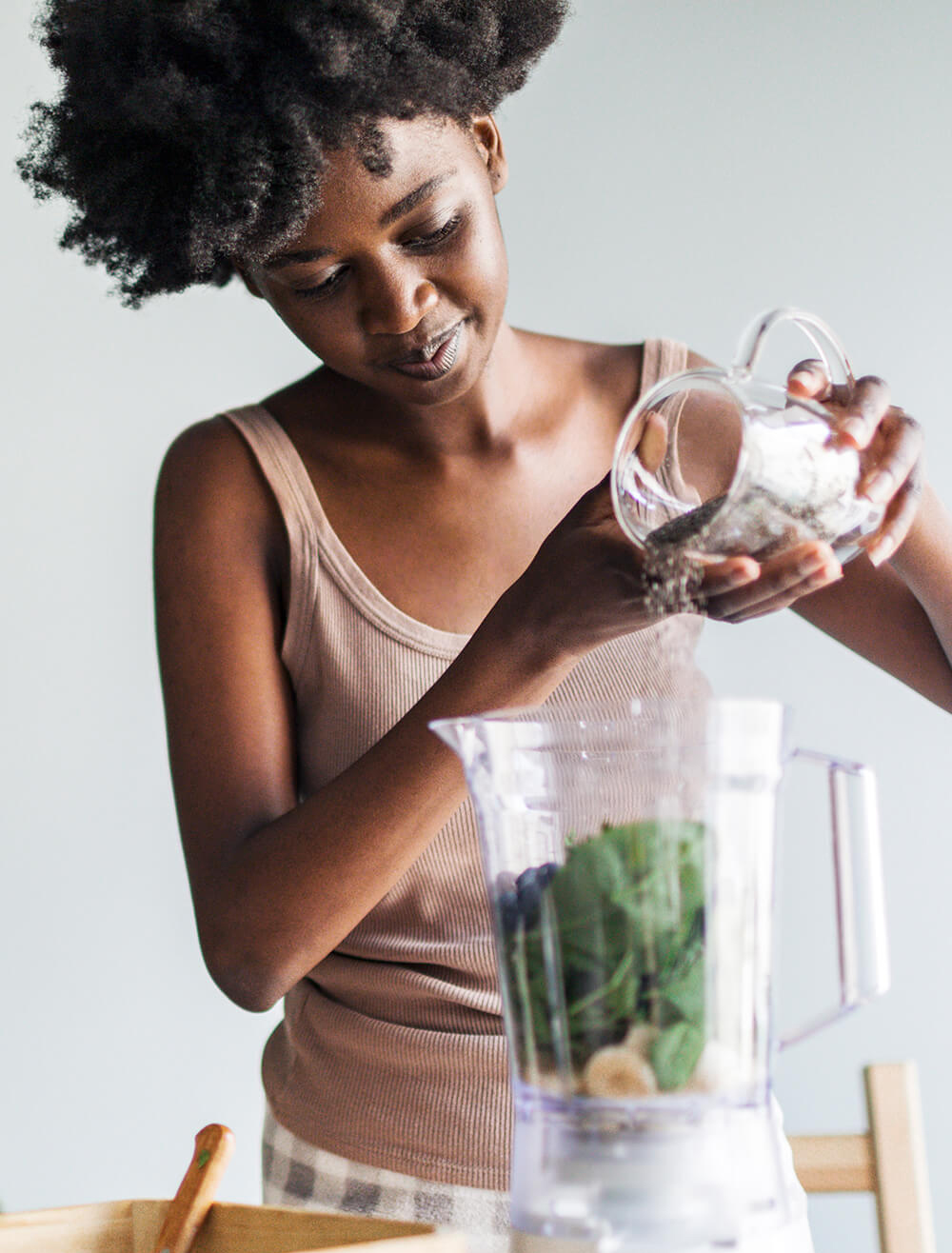
More Ways to Add Chia Seeds to Your Meals:
waybg-eat-seed-img
Tip!

Keep chia seeds in the refrigerator
to help them stay fresh longer.

Bottom Line

The chia seed challenge can be a healthy trend – if done safely.
Chia seeds offer many benefits, from helping your gut to keeping you full and energized. Just remember to start small, drink plenty of water, and enjoy them as part of a balanced diet – not as a replacement for meals.

REFERENCES:

Side-Lying-Hold

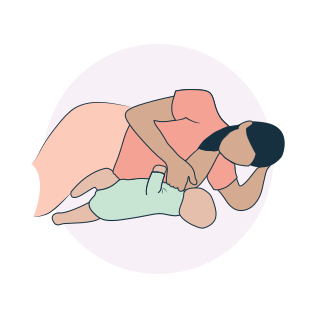
Side-Lying Hold

  1. For the right breast, lie on your right side with your baby facing you.
  2. Pull your baby close. Your baby’s mouth should be level with your nipple.
  3. In this position, you can cradle your baby’s back with your left arm and support yourself with your right arm and/or pillows.
  4. Keep loose clothing and bedding away from your baby.
  5. Reverse for the left breast.

This hold is useful when:

cross-cradle-hold-1

Cross-Cradle Hold

  1. For the right breast, use your left arm to hold your baby’s head at your right breast and baby’s body toward your left side. A pillow across your lap can help support your left arm.
  2. Gently place your left hand behind your baby’s ears and neck, with your thumb and index finger behind each ear and your palm between baby’s shoulder blades. Turn your baby’s body toward yours so your tummies are touching.
  3. Hold your breast as if you are squeezing a sandwich. To protect your back, avoid leaning down to your baby. Instead, bring your baby to you.
  4. As your baby’s mouth opens, push gently with your left palm on baby’s head to help them latch on. Make sure you keep your fingers out of the way.
  5. Reverse for the left breast.

This hold is useful when:

Football-hold

Clutch or “Football” Hold

  1. For the right breast, hold your baby level, facing up, at your right side.
  2. Put your baby’s head near your right nipple and support their back and legs under your right arm.
  3. Hold the base of your baby’s head with your right palm. A pillow underneath your right arm can help support your baby’s weight.
  4. To protect your back, avoid leaning down to your baby. Bring baby to you instead.
  5. Reverse for the left breast.

This hold is useful when:

CRADLE-HOLD​

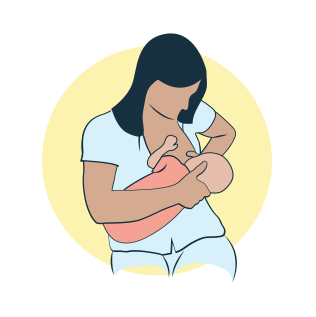
Cradle Hold

  1. For the right breast, cradle your baby with your right arm. Your baby will be on their left side across your lap, facing you at nipple level.
  2. Your baby’s head will rest on your right forearm with your baby’s back along your inner arm and palm.
  3. Turn your baby’s tummy toward your tummy. Your left hand is free to support your breast, if needed. Pillows can help support your arm and elbow.
  4. To protect your back, avoid leaning down to your baby. Instead, bring your baby to you.
  5. Reverse for the left breast.

This hold is useful when:

laid-back

Laid-Back Hold

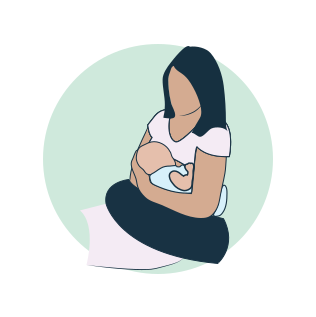
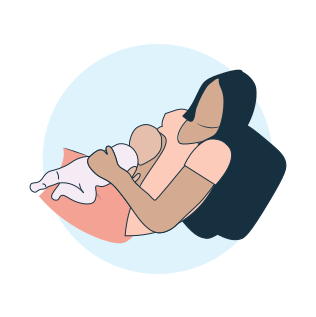
  1. Lean back on a pillow with your baby’s tummy touching yours and their head at breast level. Some moms find that sitting up nearly straight works well. Others prefer to lean back and lie almost flat.
  2. You can place your baby’s cheek near your breast, or you may want to use one hand to hold your breast near your baby. It’s up to you and what you think feels best.
  3. Your baby will naturally find your nipple, latch, and begin to suckle.

This hold is useful when: