Skip to Content Skip to Footer
LiveWell WIC logo
Livewell Wic
  • Home
  • Ellyn Satter
    • Ellyn Satter
      Prenatal / Postpartum
    • Ellyn Satter
      Newborn / Infant
    • Ellyn Satter
      Older Baby / Almost Toddler
    • Ellyn Satter
      Toddler / Preschooler
  • Breastfeeding
  • Eat·Grow·Live Healthy
    • Eat·Grow·Live Healthy
      Women
    • Eat·Grow·Live Healthy
      Infants
    • Eat·Grow·Live Healthy
      Children
    • Eat·Grow·Live Healthy
      Fathers
  • Live Well Blog
  • Español

Nutrition & Fitness

  • Home
  • Breastfeeding
  • Nutrition & Fitness
  • Intro
  • Foods for Breastfeeding Moms
  • Vegan Diets
  • Fitness
  • Advice About Eating Fish
Mother holds sleeping baby while drinking water.

A healthy diet is important for everyone. Some new moms wonder if they should be on a special diet while breastfeeding. The answer is no. You can continue to enjoy the foods that are important to your family, including the meals you know and love.

Nutrition Tips

  • Drink plenty of fluids to stay hydrated.
  • Limit drinks with added sugars, like sodas and fruit drinks.
  • Limit the amount of caffeine you get each day.
  • Choose a variety of all food groups: fruits, vegetables, grains, dairy, and protein foods.
  • Talk to your healthcare provider about taking a supplement.
  • - In addition to healthy food choices, some women may need supplements.
Some Foods May Affect Your Milk
Sometimes a breastfed baby may be sensitive to something the mother eats.

The following symptoms could indicate your baby has an allergy or sensitivity to something you eat:

  • Diarrhea, vomiting, green stools with mucus or blood
  • Rash, eczema, dermatitis, hives, dry skin
  • Fussiness during or after feedings
  • Intense crying for long periods
  • Sudden waking with discomfort
  • Wheezing or coughing

These signs do not mean your baby is allergic to your milk, only to something that you ate.

You may need to stop eating whatever is bothering your baby or eat less of it. After a few months you may be able to eat the food again with better results.

Doctor examining baby with stethoscope as mother smiles.
Talk with your baby’s healthcare provider if you notice your baby having any food allergy symptoms. If your baby ever has problems breathing, call 911 or go to your nearest emergency room immediately.
Doctor examining baby with stethoscope as mother smiles.

Foods for Breastfeeding Moms

Fruits
Vegetables
GRAINS
Proteins
Dairy
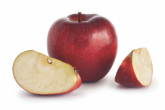
Fruits
apple

Amount:

2 cups

Serving size:

  • 1 cup fruit or 100% juice
  • ½ cup dried fruit
Vegetables
veg

Amount:

3 cups

Serving size:

  • 1 cup raw or cooked vegetables or 100% juice
  • 2 cups raw leafy vegetables
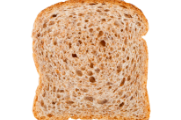
GRAINS
grains

Amount:

8 ounces

Serving size:

  • 1 slice bread
  • 1 ounce ready-to-eat cereal
  • ½ cup cooked pasta, rice, or cereal
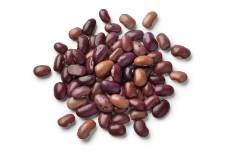
Proteins
proteins

Amount:

6 ½ ounces

Serving size:

  • 1 ounce lean meat, poultry, or seafood
  • ¼ cup cooked beans
  • ½ ounce nuts or 1 Tbsp peanut butter
  • 1 egg
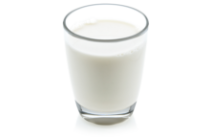
Dairy
milk

Amount:

3 cups

Serving size:

  • 1 cup milk
  • 8 ounces yogurt
  • 1 ½ ounces natural cheese
  • 2 ounces processed cheese

Get A Daily Plan for Moms Designed Just for You

The USDA’s online, interactive tool can help you choose foods based on your baby’s nursing habits and your energy needs.

Visit https://www.myplate.gov/life-stages/pregnancy-and-breastfeeding
Smiling person holds pill and glass of water.

Vegan Diets

If you follow a diet that does not include any form of animal protein you or your baby might not get enough vitamin B-12.
In babies, not enough B-12 can cause symptoms such as:

  • Loss of appetite
  • Slow motor development
  • Being very tired
  • Weak muscles
  • Vomiting

You can help protect your and your baby’s health by taking vitamin B-12 supplements while breastfeeding. Talk to your healthcare provider about your supplement needs.

Fitness

Being active helps you stay healthy, feel better, and have more energy. It does not affect the quality or quantity of your milk or your baby’s growth. Unless your doctor tells you not to be active, include 2½ hours of physical activity each week.

Start with a 10 or 15-minute activity that you can do most days throughout the week.

Advice About Eating Fish

Fish and other protein-rich foods have nutrients that can help your baby’s growth and development. Some fish have higher levels of mercury, which can pass to your baby through human milk. Exposure to mercury can harm your baby’s brain and nervous system development. This chart can help you choose which fish to eat, and how often to eat them, based on their mercury levels.

BEST CHOICES
Eat 2 to 3 servings a week
  • Anchovy
  • Atlantic croaker
  • Atlantic mackerel
  • Black sea bass
  • Butterfish
  • Catfish
  • Clam
  • Cod
  • Crab
  • Crawfish
  • Flounder
  • Haddock
  • Hake
  • Herring
  • Lobster, American and spiny
  • Mullet
  • Oyster
  • Pacific chub mackerel
  • Perch, freshwater, and ocean
  • Pickerel
  • Plaice
  • Pollock
  • Salmon
  • Sardine
  • Scallop
  • Shad
  • Shrimp
  • Skate
  • Smelt
  • Sole
  • Squid
  • Tilapia
  • Trout, canned light (includes skipjack)
  • Whitefish
  • Whiting
GOOD CHOICES
Eat 1 serving a week
  • Bluefish
  • Buffalofish
  • Carp
  • Chilean sea bass/Patagonian toothfish
  • Grouper
  • Halibut
  • Mahi mahi/dolphinfish
  • Monkfish
  • Rockfish
  • Sablefish
  • Sheepshead
  • Snapper
  • Spanish mackerel
  • Striped bass (ocean)
  • Tilefish (Atlantic Ocean)
  • Tuna, albacore/white tuna, canned and fresh/frozen
  • Tuna, yellowfin
  • Weakfish/seatrout
  • White croaker/Pacific croaker
CHOICES TO AVOID
(Highest Mercury Levels)
  • King mackerel
  • Marlin
  • Orange roughy
  • Shark
  • Swordfish
  • Tilefish (Gulf of Mexico)
  • Tuna, bigeye

You May Also Like...

Weaning Your Baby

Weaning From Breastfeeding When To Wean Your Baby Weaning may pause or slow down if: When you and your baby are ready to wean: Share to social Share Weaning is…

Read More

Finding Support & Information

Finding Support & Information Finding Support & Information WIC Staff Your Partner and Family Members Mother-to-Mother Support Professionals Share to social Share Finding Support & Information Many moms need help…

Read More

What to Expect

What to Expect Share to social Share What to Expect Many new moms have questions about breastfeeding. Knowing what to expect during the first few days can help. Here are…

Read More
LiveWell WIC program logo

Contact Us

USDA is an equal opportunity provider, employer, and lender.

Cookie PolicyAbout UsPrivacy PolicyTerms of Agreement

© Brush Art Corporation

  • Email
  • SMS
If you are using multiple emails, separate them with commas.

    SMS Communication Consent

    Share

    Share this link via:

    Cartoon vegetables with leafy tops gather playfully together.

    Side-Lying Hold

    1. For the right breast, lie on your right side with your baby facing you.
    2. Pull your baby close. Your baby’s mouth should be level with your nipple.
    3. In this position, you can cradle your baby’s back with your left arm and support yourself with your right arm and/or pillows.
    4. Keep loose clothing and bedding away from your baby.
    5. Reverse for the left breast.

    This hold is useful when:

    • You had a C-section
    • You want to rest while baby feeds
    • You are breastfeeding in the middle of the night
    • You and your baby are comfortable in this position
    Yellow circle with abstract, jagged shapes and patterns.

    Cross-Cradle Hold

    1. For the right breast, use your left arm to hold your baby’s head at your right breast and baby’s body toward your left side. A pillow across your lap can help support your left arm.
    2. Gently place your left hand behind your baby’s ears and neck, with your thumb and index finger behind each ear and your palm between baby’s shoulder blades. Turn your baby’s body toward yours so your tummies are touching.
    3. Hold your breast as if you are squeezing a sandwich. To protect your back, avoid leaning down to your baby. Instead, bring your baby to you.
    4. As your baby’s mouth opens, push gently with your left palm on baby’s head to help them latch on. Make sure you keep your fingers out of the way.
    5. Reverse for the left breast.

    This hold is useful when:

    • Your baby is premature
    • Your baby has a weak suck
    • Your baby needs help to stay latched
    • Your baby needs extra head support
    • You and your baby are comfortable in this position
    Cat playing with butterfly in a garden.

    Clutch or “Football” Hold

    1. For the right breast, hold your baby level, facing up, at your right side.
    2. Put your baby’s head near your right nipple and support their back and legs under your right arm.
    3. Hold the base of your baby’s head with your right palm. A pillow underneath your right arm can help support your baby’s weight.
    4. To protect your back, avoid leaning down to your baby. Bring baby to you instead.
    5. Reverse for the left breast.

    This hold is useful when:

    • You had a C-section
    • You have large breasts
    • You have flat or inverted nipples
    • You have a strong milk let-down
    • You are breastfeeding twins
    • Your baby likes to feed in an upright position
    • Your baby has reflux
    • You and your baby are comfortable in this position
    Peach circle with abstract shapes radiating outward.

    Cradle Hold

    1. For the right breast, cradle your baby with your right arm. Your baby will be on their left side across your lap, facing you at nipple level.
    2. Your baby’s head will rest on your right forearm with your baby’s back along your inner arm and palm.
    3. Turn your baby’s tummy toward your tummy. Your left hand is free to support your breast, if needed. Pillows can help support your arm and elbow.
    4. To protect your back, avoid leaning down to your baby. Instead, bring your baby to you.
    5. Reverse for the left breast.

    This hold is useful when:

    • Your baby needs help latching on
    • You and your baby are comfortable in this position
    Smiling peach character waving cheerful hello.

    Laid-Back Hold

    1. Lean back on a pillow with your baby’s tummy touching yours and their head at breast level. Some moms find that sitting up nearly straight works well. Others prefer to lean back and lie almost flat.
    2. You can place your baby’s cheek near your breast, or you may want to use one hand to hold your breast near your baby. It’s up to you and what you think feels best.
    3. Your baby will naturally find your nipple, latch, and begin to suckle.

    This hold is useful when:

    • Your baby is placed on your chest right after birth
    • You have a strong milk let-down
    • You have large breasts
    • You and your baby are comfortable in this position