Food poisoning is serious, especially for children and for pregnant women. But if you are careful, you can prevent food poisoning.
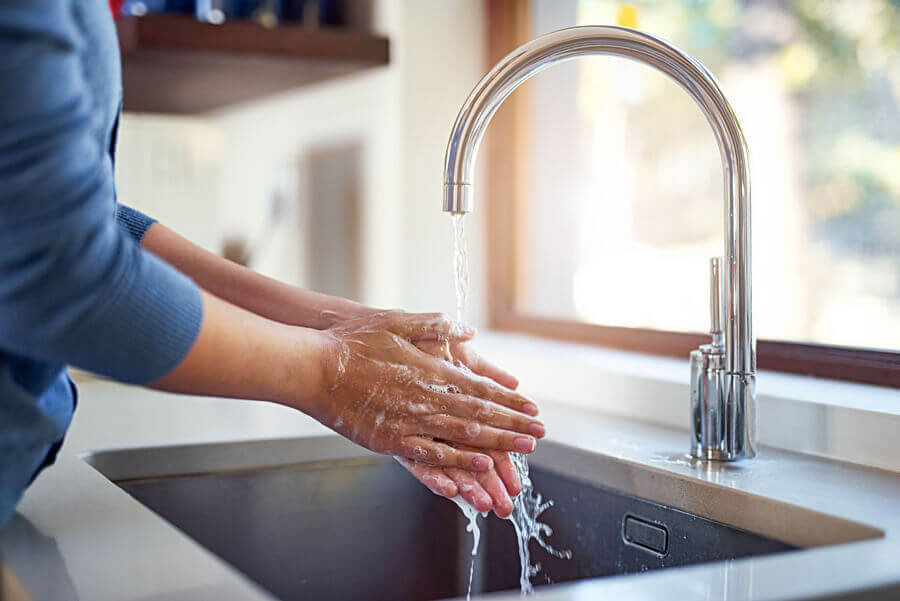
Wash your hands with warm water and soap. Rinse with clear water.
Wash your hands before you start to cook, feed children, or eat.
Wash your hands again after you touch raw meat, poultry, or fish.
Wash your hands after you use the bathroom or change diapers.
Keep your cooking area clean and dry to keep germs from growing.
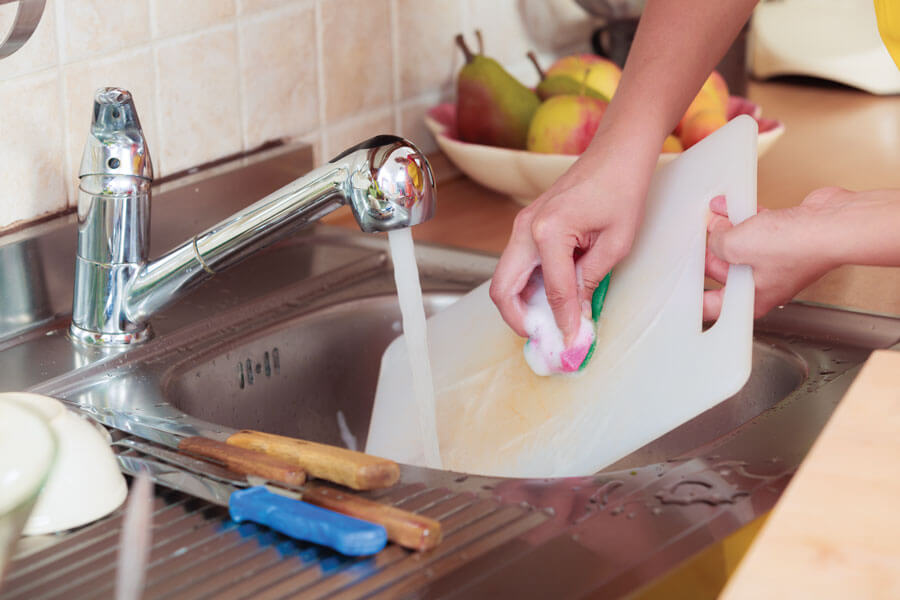
Wash the stove, counters, refrigerator, cutting board, and sink with hot soapy water.
Use clean towels, dishcloths, and sponges.
Carefully wash and rinse equipment, utensils, pots, and pans. Let them drain dry.
Use only clean foods that are not spoiled.
Read package dates. “Sell by” means it will be good for up to a week after the date. “Use by” means it is no longer good to eat after the date listed.
Don’t use moldy or bad-smelling food or bulging cans.
Rinse fresh fruits and vegetables with cool water before you peel or cut them.
Keep raw meat, poultry, and fish away from other food. Wash your hands, cutting board, and knife in hot soapy water before you let them touch other food.
Keep food from spoiling. Cook it properly. Store it properly.
Cook meat, poultry, and fish thoroughly.
Keep hot food steaming hot until you serve it.
Keep cold food cold. Refrigerate it. Don’t let it sit out. After 2 hours, it isn’t safe.
Freeze meat, poultry, or fish you can’t eat within 2 days after you buy it.
Thaw food in the refrigerator, not on the counter.