Extra-Vegetables-Quiche-bg

Extra Vegetables Quiche

December 10, 2025 Recipes

cheesy-egg-pie

Instructions  Colorful Quiche

Got leftover vegetables? Great!

Turn them into a cheesy egg pie with a caramelized onion crust. This colorful quiche is a great way to use up leftover vegetables while adding more vitamins, minerals, and fiber to your day. The eggs and cheese provide protein to help keep you full and energized, while the vegetables add nutrients that support heart and digestive health. It’s an easy, budget-friendly meal that tastes as good as it is good for you!

There are two ways to make this quiche.

If you have a cast-iron or other oven-proof skillet, you can make the quiche right in the skillet to cut down on dishes. Otherwise, start with a regular skillet and later transfer everything to a pie dish to bake.

Instructions Serving Ingredients

Servings: 4

Tip!

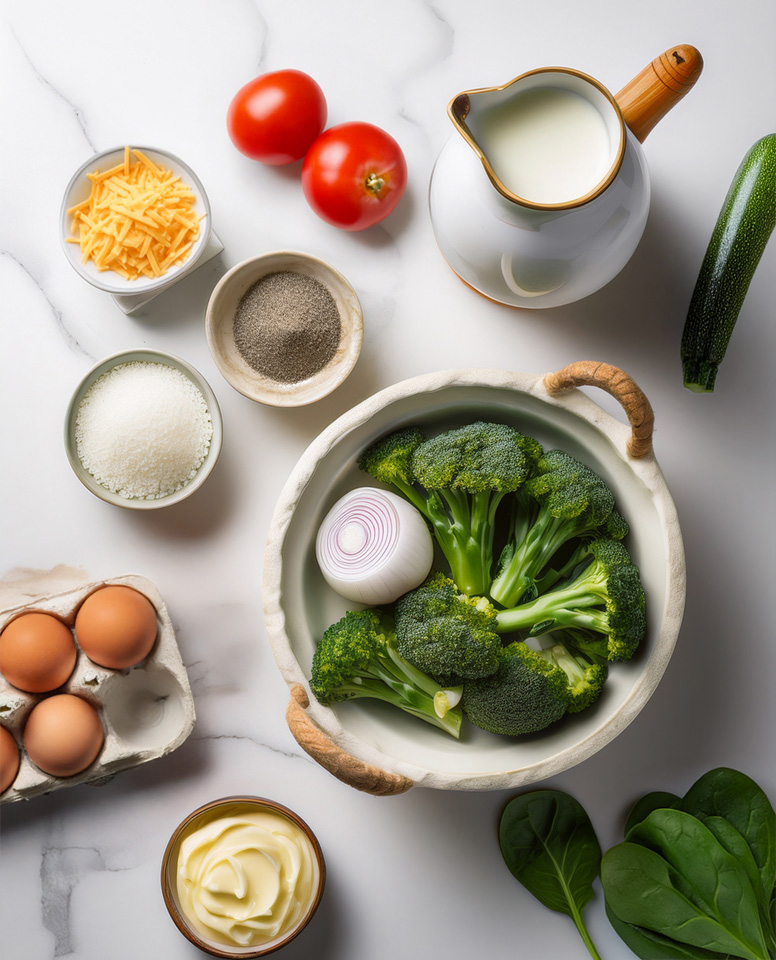
Steam or cook vegetables like broccoli, cauliflower or winter squash before adding to the quiche to make sure they’ll be fully cooked. Any other quick-cooking vegetables, like tomatoes, zucchini, or spinach can just be used fresh – no need to pre-cook.

Ingredients-vegetables
Instructions  Food Instructions
Heat-kitchen-oven
1.

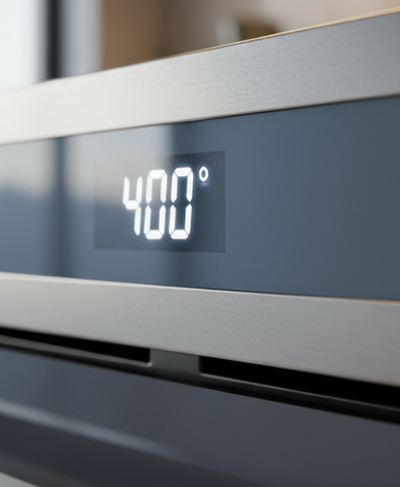
Set the oven to 400 F.

vegetables-instruction-two
2.

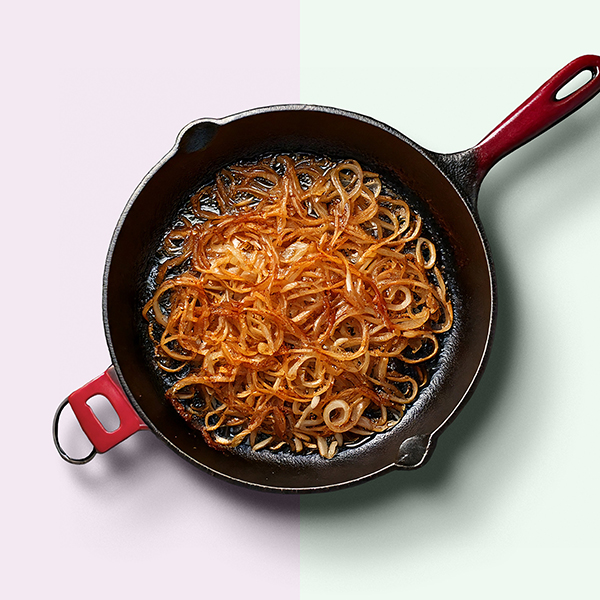
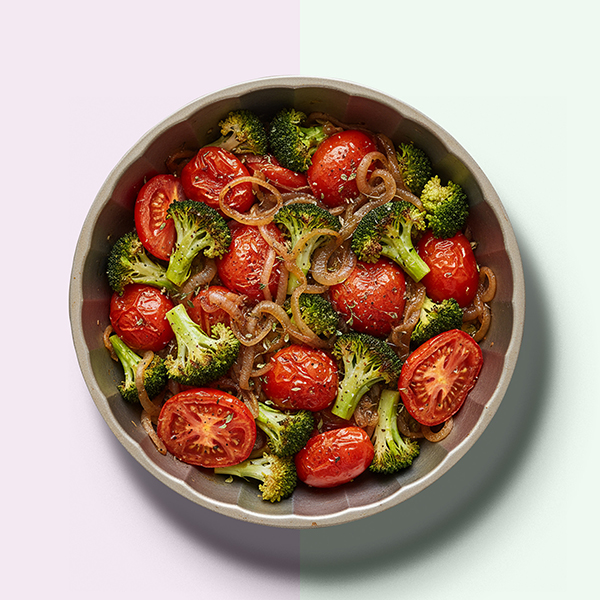
Melt the butter in a skillet over medium heat. Add your onion slices and sprinkle a bit of salt and pepper over them. Cook the onions until they are golden brown and starting to caramelize. If your pan is oven-proof, simply remove it from the heat and spread the onions evenly across the bottom. Otherwise, butter a pie dish and scoop the onions into it, creating an even layer on the bottom. The onions add a crust-like texture and a bit of crunch.
vegetables-instruction-three
3.

Spread the vegetables evenly over top of the onions. The dish or pan should look fairly full.

4.

In a mixing bowl, use a fork to lightly beat the eggs with the milk, cheese, salt, and pepper, just enough to break up the yolks and whites. Pour the mixture over the vegetables and onions.
5.

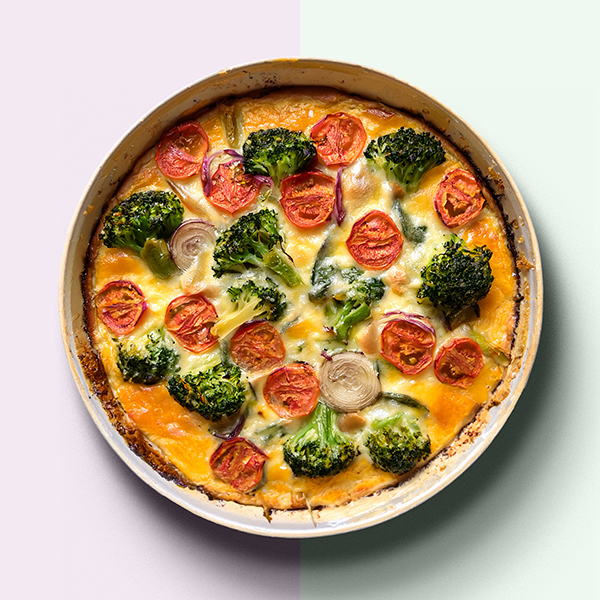
Bake the quiche in the oven for 1 hour, or until the surface is lightly brown all the way across.
6.

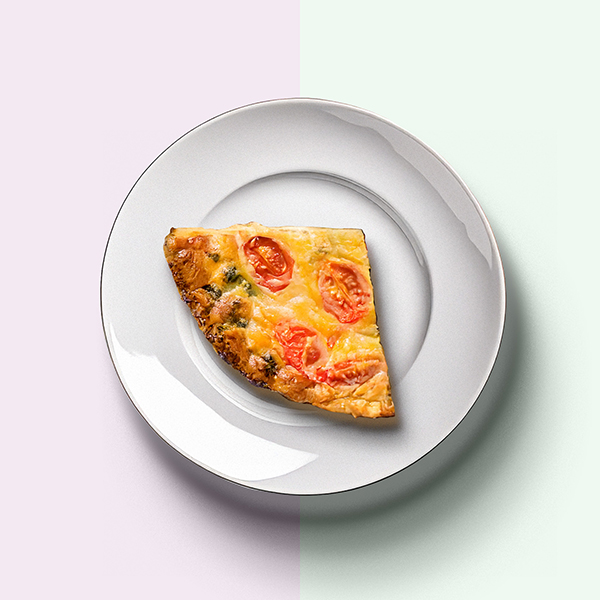
Remove from oven and let the quiche cool for about 20 minutes, then slice into wedges and serve.
REFERENCES:

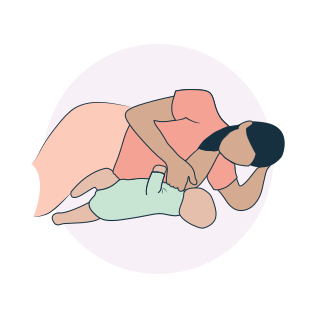
Side-Lying-Hold

Side-Lying Hold

  1. For the right breast, lie on your right side with your baby facing you.
  2. Pull your baby close. Your baby’s mouth should be level with your nipple.
  3. In this position, you can cradle your baby’s back with your left arm and support yourself with your right arm and/or pillows.
  4. Keep loose clothing and bedding away from your baby.
  5. Reverse for the left breast.

This hold is useful when:

cross-cradle-hold-1

Cross-Cradle Hold

  1. For the right breast, use your left arm to hold your baby’s head at your right breast and baby’s body toward your left side. A pillow across your lap can help support your left arm.
  2. Gently place your left hand behind your baby’s ears and neck, with your thumb and index finger behind each ear and your palm between baby’s shoulder blades. Turn your baby’s body toward yours so your tummies are touching.
  3. Hold your breast as if you are squeezing a sandwich. To protect your back, avoid leaning down to your baby. Instead, bring your baby to you.
  4. As your baby’s mouth opens, push gently with your left palm on baby’s head to help them latch on. Make sure you keep your fingers out of the way.
  5. Reverse for the left breast.

This hold is useful when:

Football-hold

Clutch or “Football” Hold

  1. For the right breast, hold your baby level, facing up, at your right side.
  2. Put your baby’s head near your right nipple and support their back and legs under your right arm.
  3. Hold the base of your baby’s head with your right palm. A pillow underneath your right arm can help support your baby’s weight.
  4. To protect your back, avoid leaning down to your baby. Bring baby to you instead.
  5. Reverse for the left breast.

This hold is useful when:

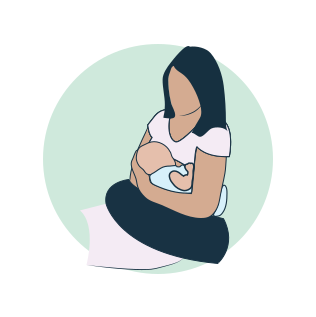
CRADLE-HOLD​

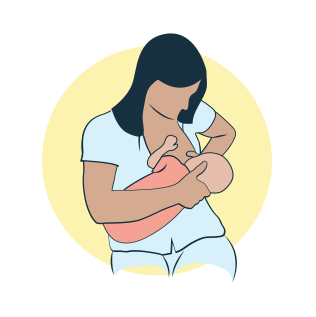
Cradle Hold

  1. For the right breast, cradle your baby with your right arm. Your baby will be on their left side across your lap, facing you at nipple level.
  2. Your baby’s head will rest on your right forearm with your baby’s back along your inner arm and palm.
  3. Turn your baby’s tummy toward your tummy. Your left hand is free to support your breast, if needed. Pillows can help support your arm and elbow.
  4. To protect your back, avoid leaning down to your baby. Instead, bring your baby to you.
  5. Reverse for the left breast.

This hold is useful when:

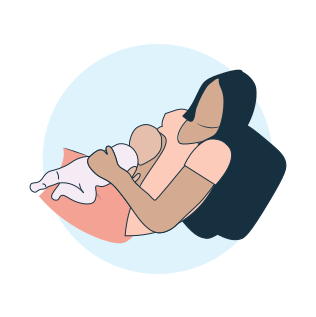
laid-back

Laid-Back Hold

  1. Lean back on a pillow with your baby’s tummy touching yours and their head at breast level. Some moms find that sitting up nearly straight works well. Others prefer to lean back and lie almost flat.
  2. You can place your baby’s cheek near your breast, or you may want to use one hand to hold your breast near your baby. It’s up to you and what you think feels best.
  3. Your baby will naturally find your nipple, latch, and begin to suckle.

This hold is useful when: