Skip to Content Skip to Footer
LiveWell WIC logo
Livewell Wic
  • Home
  • Ellyn Satter
    • Ellyn Satter
      Prenatal / Postpartum
    • Ellyn Satter
      Newborn / Infant
    • Ellyn Satter
      Older Baby / Almost Toddler
    • Ellyn Satter
      Toddler / Preschooler
  • Breastfeeding
  • Eat·Grow·Live Healthy
    • Eat·Grow·Live Healthy
      Women
    • Eat·Grow·Live Healthy
      Infants
    • Eat·Grow·Live Healthy
      Children
    • Eat·Grow·Live Healthy
      Fathers
  • Live Well Blog
  • Español
1Kids-playing-in-room

What Are Ultra-Processed Foods? Simple Tips to Eat Healthier

  • Home
  • Live Well Blog
  • What Are Ultra-Processed Foods? Simple Tips to Eat Healthier
August 13, 2025 General /Family

food unsafe What is Food Processing?

minimal-processign

Katia heard on the news that ultra-processed foods may be harmful to her family’s health. She looked in her kitchen and saw lots of packaged foods. Were they ultra-processed?

Let’s find out.

Most foods go through some kind of processing.

✓

Simple (or minimal) processing means the food is changed just a little.

Example: Washing and cooking dried beans.
Other examples: Milk, plain yogurt, rice, pasta, meat, eggs, fruits, and vegetables.

✓

Some foods are processed more, but they can still be healthy.

Example: Homemade hummus with oil and spices.

Other examples:
  • Canned vegetables or fruits
  • Canned beans
  • Smoked meats or fish
  • Cheese
  • Homemade bread
So then, what is an Ultra-processed Food

So then, what is an Ultra-processed Food?

Ultra-processed foods are made in factories. They often have:

  • Extra sugar, salt, or fat
  • Additives to change taste, color, or shelf life
  • Ingredients you wouldn’t find in a regular kitchen

Examples include:

  • Packaged snacks (like chips and cookies)
  • Frozen meals and pizza
  • Instant noodles
  • Hot dogs, lunch meats
  • Soda and candy
new1Quick-fact

In the US almost 60% of calories come from ultra-processed foods.

Why are Ultra-processed Foods Unhealthy?

Many ultra-processed foods are often:

  • High in calories
  • Easy to overeat
  • Low in fiber and important nutrients

Eating ultra-processed foods too often can cause:

  • Weight gain
  • Type 2 diabetes
  • Heart problems
  • High blood pressure
  • Gut problems (like changes to good bacteria in the body)
  • Depression

Did you know?

Some of the packaging ultra-processed foods comes in may also contain chemicals or microplastics that can affect health.

why-unhealthy

Her Big Win Are all Processed Foods Unhealthy?

No! Some processed foods are still very healthy.

For example:

  • Fresh broccoli is healthy, even with minimal processing (like washing or chopping).
  • Frozen broccoli is also still healthy—even though it’s been processed (by freezing).

Other good, processed foods include:

  • Canned beans
  • Frozen fruit
  • Unsweetened canned fruit or vegetables
Foods-Unhealthy

Did you know?

These foods are picked at their peak ripeness when their flavors are best, and then frozen or canned to last longer.

Her Big Win icon How to Spot an Ultra-Processed Food

nature-fact

Read the ingredients label:

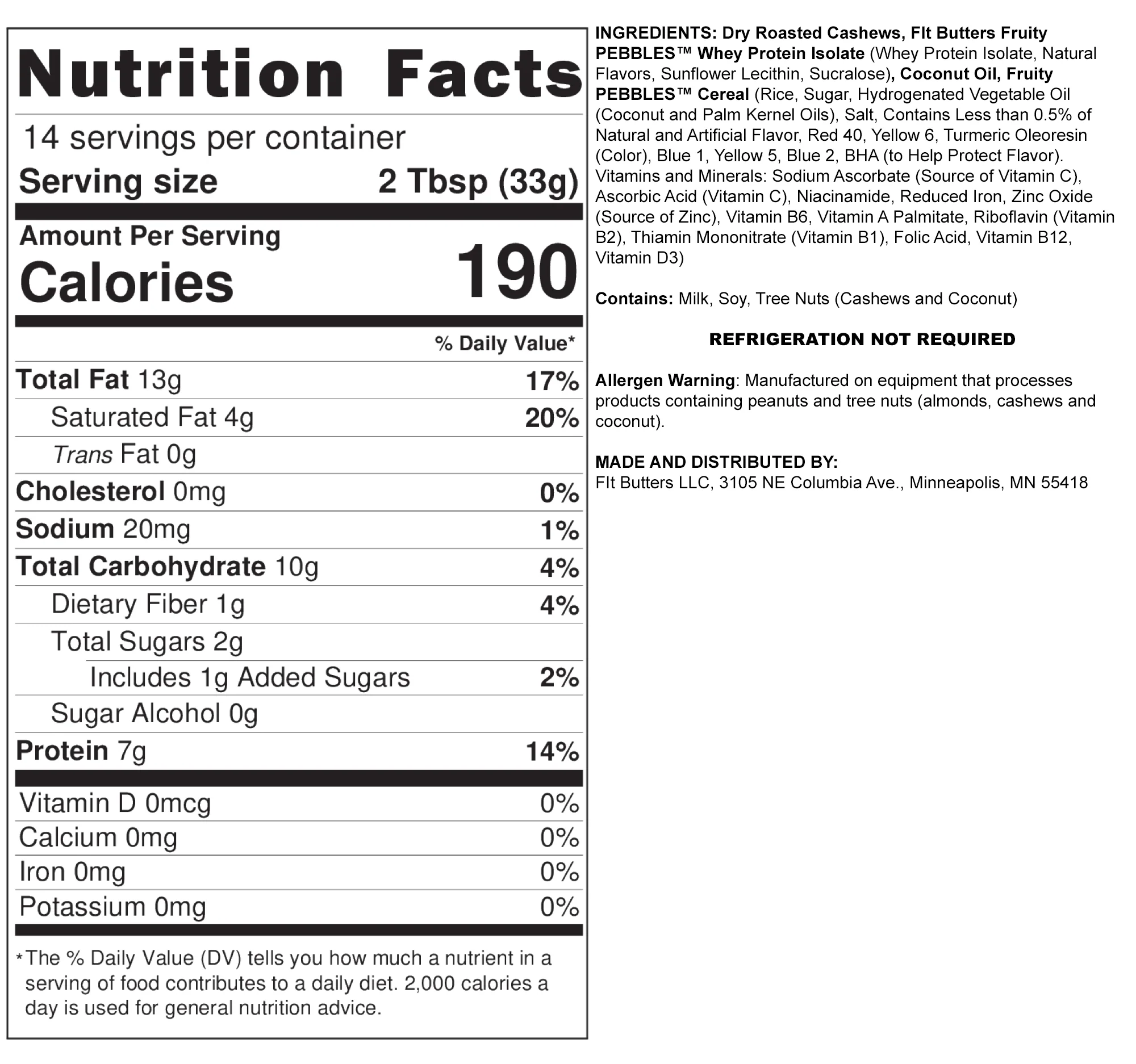
  • Are there names you don’t know or can’t pronounce?
  • Would you find those ingredients in your kitchen?
  • A long list of ingredients usually means the food is highly processed.

Watch for added ingredients like:

  • Monosodium glutamate (MSG)
  • Artificial colors (like Red 40 or Yellow 5)
  • Artificial sweeteners (like aspartame or sucralose)
  • Hydrogenated oils
  • High fructose corn syrup
  • Emulsifiers or flavor enhancers (like carrageenan or xanthan gum)
  • Sodium (salt) – also listed as monosodium or disodium phosphate

Foods that may look healthy but often aren’t:

Granola bars

Flavored yogurt

Protein drinks

Gluten-free snacks

Many breakfast cereals

Tip!
Check out the True Food Database to look up how processed different foods are. It’s a free tool created by health experts. You can browse by food category or search for your family’s favorite foods to see how much processing goes into each product.
Colorful Floral Background Pattern

ultra-unhealthy Ultra-Processed Foods Alternatives

Ultra-processed

Less Processed
Instant pasta soups

Pasta, regular or whole grain, with added herbs and spices

Fish sticks

Canned fish or homemade fish cakes

Flavored, sugar-free yogurt
Plain yogurt with fruit and a little honey
Deli meats
Canned fish, sliced lean pork roast or beef, sliced chicken breast
Bottled salad dressing
Oil and vinegar (or lemon or lime), salt, pepper and spices
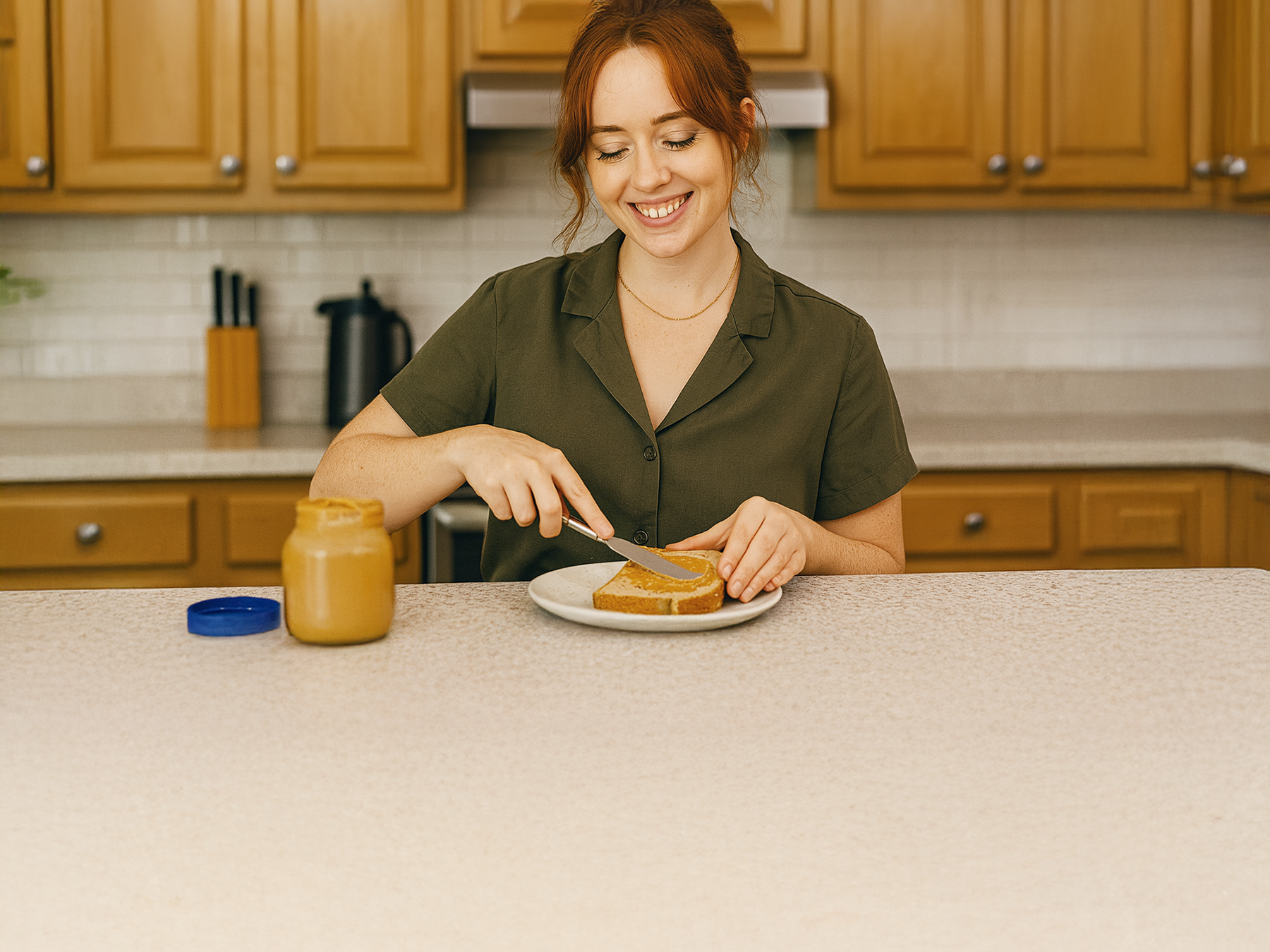
Peanut butter with added emulsifiers and sugar
Natural peanut butter (just peanuts and salt)
Cheese puffs
Whole grain crackers with minimal ingredients or plain tortilla chips
Regular or diet soda, sports drinks
Sparkling water with fruit or homemade agua fresca
Instant mashed potatoes
Baked potato
Katia-eating

Katia was relieved to learn she didn’t have to stop eating all processed foods. She made a few simple swaps, like choosing natural peanut butter, limiting cookies and chips, and making her own salad dressing.

She’s now committed to offering her family less ultra-processed foods and more whole or lightly processed foods. It’s only been a few months and she’s already starting to see and feel an improvement in her and her family’s health and wellbeing!

REFERENCES:

Blake, J. S. (2025, January 23). Examining the NOVA food classification system and the healthfulness of ultra-processed foods. Academy of Nutrition and Dietetics.
https://www.eatrightpro.org/news-center/practice-trends/examining-the-nova-foodclassification-system-and-healthfulness-of-ultra-processed-foods

Food and Agriculture Organization of the United Nations. (2019). Ultra-processed foods, diet quality and health using the NOVA classification system.
https://openknowledge.fao.org/server/api/core/bitstreams/5277b379-0acb-4d97-a6a3-602774104629/content

Samuthpongtorn, C., Nguyen, L. H., Okereke, O. I., et al. (2023). Consumption of ultraprocessed food and risk of depression. JAMA Network Open, 6(9), e2334770.
https://doi.org/10.1001/jamanetworkopen.2023.34770

Lane, M. M., Gamage, E., Du, S., Ashtree, D. N., McGuinness, A. J., Gauci, S., et al. (2024). Ultra-processed food exposure and adverse health outcomes: Umbrella review of epidemiological meta-analyses. BMJ, 384, e077310.
https://doi.org/10.1136/bmj-2023-077310

Marino, M., Puppo, F., Del Bo’, C., Vinelli, V., Riso, P., Porrini, M., & Martini, D. (2021). A systematic review of worldwide consumption of ultra-processed foods: Findings and criticisms. Nutrients, 13(8), 2778.
https://doi.org/10.3390/nu13082778

Brown, S. (2024, May 20). These 7 breakfast staples are ultra-processed. How should you decide which one to avoid? Verywell Health.
https://www.verywellhealth.com/ultra-processed-breakfast-8648502

Martínez Steele, E., Khandpur, N., da Costa Louzada, M. L., & Monteiro, C. A. (2020). Association between dietary contribution of ultra-processed foods and urinary concentrations of phthalates and bisphenol in a nationally representative sample of the US population aged 6 years and older. PLOS ONE, 15(7), e0236738.
https://doi.org/10.1371/journal.pone.0236738

True Food. About us.
https://www.truefood.tech/about?store=all

Wikipedia contributors. Ultra-processed food. Wikipedia. Retrieved February 15, 2025.
https://en.wikipedia.org/wiki/Ultraprocessed_food#:~:text=Since%20the%201990s%2C%20UPF%20sales,processed%20food%20affects%20body%20systems
Author: Bridget Swinney MS, RDN, LD

You May Also Like...

March 18, 2026

The 2025-2030 Dietary Guidelines for Americans – What Families Need to Know

The 2025-2030 Dietary Guidelines for AmericansEvery five years, nutrition experts update the Dietary Guidelines for Americans to share the best advice on healthy eating. The 2025–2030 Dietary Guidelines help families…

Read More
1
February 11, 2026

Finding Calm When Life Gets Busy: Stress-Management for Parents

Finding Calm When Life Gets Busy Parenting is full of love, joy, and often times, stress. Between caring for little ones, managing meals, grocery shopping, budgets, jobs, and everything else,…

Read More
2
February 4, 2026

February Is National Heart Month: Simple Ways to Show Your Heart Some Love

Simple Ways to Show Your Heart Some Love Your heart works hard for you every single day.February is National Heart Month – a great time to learn small, simple ways…

Read More
2
  • Infant
    • When to Start Peanut and Egg to Help Prevent Allergies
    • The Basics of Paced Bottle-Feeding
    • How Do I Know If My Baby Could Be Tongue-Tied?
    • Protect Your Baby from Cronobacter
    • Exploring the World with Baby – Sensory Play
  • Children
    • Shopping With Kids: A Simple Way to Help Them Like More Foods
    • Pumpkin Fun: Free and Healthy Activities for Kids Under 5
    • Letting Your Child Play with Food Can Be a Good Thing
    • Is Snack Time Treat Time?
    • Fun Ways to Learn About Healthy Food and Get Moving!
  • General /Family
    • The 2025-2030 Dietary Guidelines for Americans – What Families Need to Know
    • Finding Calm When Life Gets Busy: Stress-Management for Parents
    • February Is National Heart Month: Simple Ways to Show Your Heart Some Love
    • 10 Ways to Enjoy Avocados – And Helpful Tips to Feed with Confidence
    • Food, Feelings, and Finding Balance: Understanding Disordered Eating
  • Women
    • Newborn Hunger Cues: How to Know When Your Baby Is Hungry or Full
    • How to Know Your Baby Is Getting Enough Breastmilk
    • Breastfeeding Through Growth Spurts and Sleep Changes
    • Baby Blues… or Is It Something More?
    • Gut Health and Gestational Diabetes
  • Recipes
    • Heart-Healthy Recipe: Banana Berry Oatmeal Cups
    • Is the Chia Seed Challenge Worth It?
    • Extra Vegetables Quiche
    • Easy Pumpkin Muffins
    • Confetti Bean Salad
LiveWell WIC program logo

Contact Us

USDA is an equal opportunity provider, employer, and lender.

Cookie PolicyAbout UsPrivacy PolicyTerms of Agreement

© Brush Art Corporation

  • Email
  • SMS
If you are using multiple emails, separate them with commas.

    SMS Communication Consent

    Share

    Share this link via:

    Side Lying Hold

    Side-Lying Hold

    1. For the right breast, lie on your right side with your baby facing you.
    2. Pull your baby close. Your baby’s mouth should be level with your nipple.
    3. In this position, you can cradle your baby’s back with your left arm and support yourself with your right arm and/or pillows.
    4. Keep loose clothing and bedding away from your baby.
    5. Reverse for the left breast.

    This hold is useful when:

    • You had a C-section
    • You want to rest while baby feeds
    • You are breastfeeding in the middle of the night
    • You and your baby are comfortable in this position
    Wooden carved fork resting on the edge

    Cross-Cradle Hold

    1. For the right breast, use your left arm to hold your baby’s head at your right breast and baby’s body toward your left side. A pillow across your lap can help support your left arm.
    2. Gently place your left hand behind your baby’s ears and neck, with your thumb and index finger behind each ear and your palm between baby’s shoulder blades. Turn your baby’s body toward yours so your tummies are touching.
    3. Hold your breast as if you are squeezing a sandwich. To protect your back, avoid leaning down to your baby. Instead, bring your baby to you.
    4. As your baby’s mouth opens, push gently with your left palm on baby’s head to help them latch on. Make sure you keep your fingers out of the way.
    5. Reverse for the left breast.

    This hold is useful when:

    • Your baby is premature
    • Your baby has a weak suck
    • Your baby needs help to stay latched
    • Your baby needs extra head support
    • You and your baby are comfortable in this position
    Woman with shopping bag

    Clutch or “Football” Hold

    1. For the right breast, hold your baby level, facing up, at your right side.
    2. Put your baby’s head near your right nipple and support their back and legs under your right arm.
    3. Hold the base of your baby’s head with your right palm. A pillow underneath your right arm can help support your baby’s weight.
    4. To protect your back, avoid leaning down to your baby. Bring baby to you instead.
    5. Reverse for the left breast.

    This hold is useful when:

    • You had a C-section
    • You have large breasts
    • You have flat or inverted nipples
    • You have a strong milk let-down
    • You are breastfeeding twins
    • Your baby likes to feed in an upright position
    • Your baby has reflux
    • You and your baby are comfortable in this position
    Cartoon-style abstract bird silhouette

    Cradle Hold

    1. For the right breast, cradle your baby with your right arm. Your baby will be on their left side across your lap, facing you at nipple level.
    2. Your baby’s head will rest on your right forearm with your baby’s back along your inner arm and palm.
    3. Turn your baby’s tummy toward your tummy. Your left hand is free to support your breast, if needed. Pillows can help support your arm and elbow.
    4. To protect your back, avoid leaning down to your baby. Instead, bring your baby to you.
    5. Reverse for the left breast.

    This hold is useful when:

    • Your baby needs help latching on
    • You and your baby are comfortable in this position
    Abstract geometric shapes in pastel

    Laid-Back Hold

    1. Lean back on a pillow with your baby’s tummy touching yours and their head at breast level. Some moms find that sitting up nearly straight works well. Others prefer to lean back and lie almost flat.
    2. You can place your baby’s cheek near your breast, or you may want to use one hand to hold your breast near your baby. It’s up to you and what you think feels best.
    3. Your baby will naturally find your nipple, latch, and begin to suckle.

    This hold is useful when:

    • Your baby is placed on your chest right after birth
    • You have a strong milk let-down
    • You have large breasts
    • You and your baby are comfortable in this position