Skip to Content Skip to Footer
LiveWell WIC logo
Livewell Wic
  • Home
  • Ellyn Satter
    • Ellyn Satter
      Prenatal / Postpartum
    • Ellyn Satter
      Newborn / Infant
    • Ellyn Satter
      Older Baby / Almost Toddler
    • Ellyn Satter
      Toddler / Preschooler
  • Breastfeeding
  • Eat·Grow·Live Healthy
    • Eat·Grow·Live Healthy
      Women
    • Eat·Grow·Live Healthy
      Infants
    • Eat·Grow·Live Healthy
      Children
    • Eat·Grow·Live Healthy
      Fathers
  • Live Well Blog
  • Español
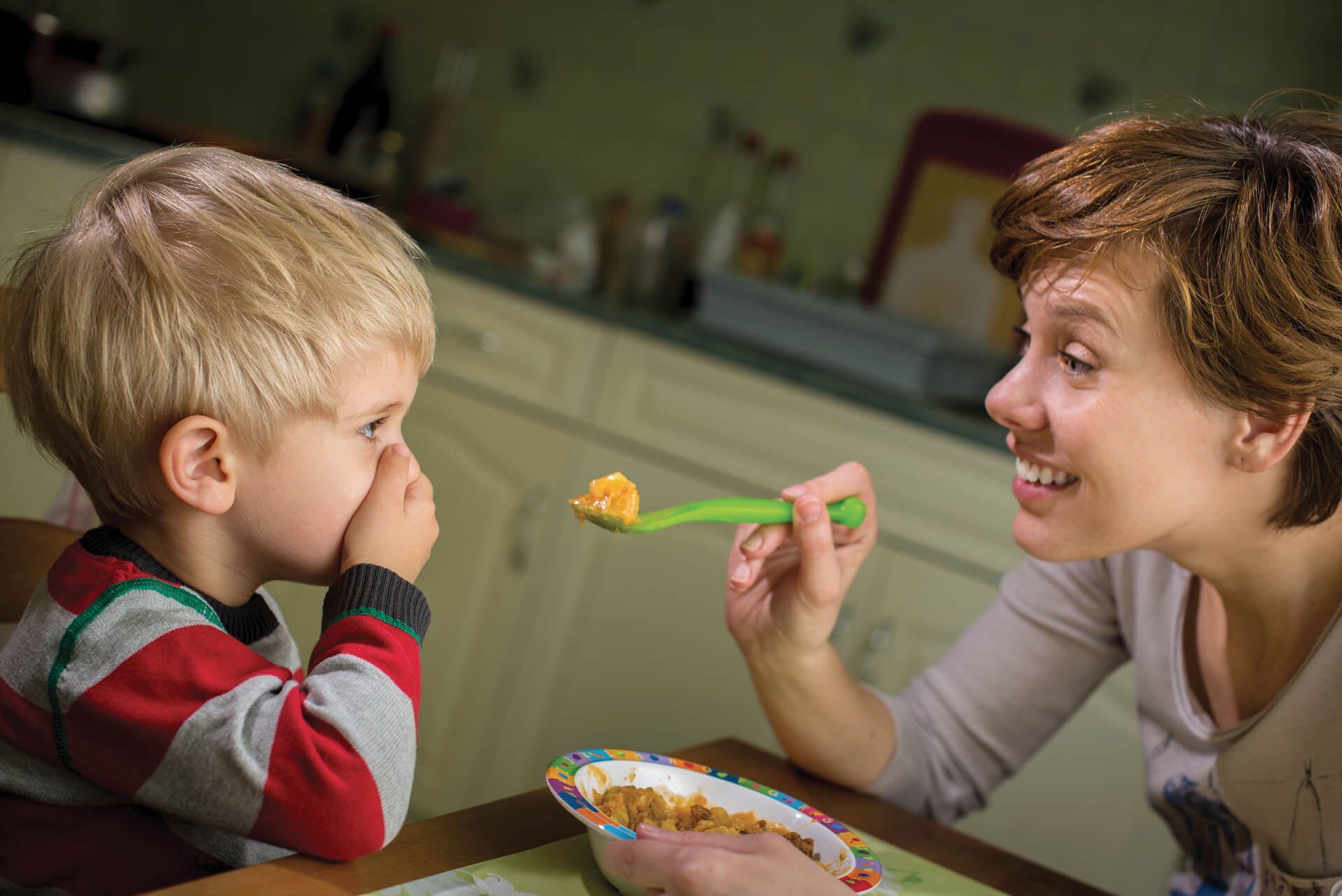
Child resisting food while woman encourages eating

Iron Up for Good Health for Your Two to Five-Year Old

  • Home
  • Live Well Blog
  • Iron Up for Good Health for Your Two to Five-Year Old
September 18, 2024 General /Family

Ask any parent what their toddler’s favorite word is and chances are one of them will be “no!”

Ask any parent what their toddler’s favorite word is and chances are one of them will be “no!”

If your child starts saying “no” to foods they used to love, you’re not alone. Kids at this age sometimes go through “food jags” or times when they only want to eat a few foods. This can make it tough for parents who want to make sure their kids are getting the nutrition they need!

Food jags are one reason why kids aged 2-5 are at risk for iron deficiency anemia, and about 1 in 12 toddlers have iron deficiency.


When “No!” is their favorite word.

Common Reasons for Iron Deficiency in Children:

  • Being born prematurely.
  • Not eating enough foods rich in iron.
  • Drinking more than 24 oz. of milk daily.
Abstract pattern, green leaves and orange shapes interwoven

What Can You Do?

  • Serve more iron-rich foods.
  • During meals, offer foods rich in vitamin C along with foods rich in iron. Vitamin C helps the body absorb iron.
  • Limit milk to 2 cups each day.

Fe

Offer Foods Rich in Iron

  • Spinach and Swiss chard
  • Beef and pork
  • Molasses
  • Dark meat of chicken and turkey
  • Fortified cereals—all WIC cereals have extra iron
  • All beans, especially white beans, lentils, kidney beans and chickpeas
  • Tofu
  • Sardines
  • Tomatoes
  • Potatoes
  • Egg yolk
Wavy green line on a light background

Include Vitamin C

Iron is better absorbed by the body when a food rich in vitamin C is eaten at the same time. Vitamin C-rich veggies can be eaten before or with meals, and vitamin C fruits are great for dessert.
C

Foods rich in Vitamin C

  • Kiwi
  • Mango
  • Papaya
  • WIC juices
  • Citrus fruits like oranges, tangerines, grapefruit
  • Bell peppers, especially orange, red and yellow
  • Cauliflower
  • Melon
  • Tomatoes and tomato sauce
  • Broccoli
  • Leafy greens like spinach, kale, and mustard greens
  • Cabbage
Cartoon whale floating, surrounded by green and orange shapes

Kid-friendly ideas on how to combine iron-rich and vitamin C-rich foods in the same meal.

Pasta and meatballs with marinara sauce; steamed broccoli or cauliflower.

Bean tostadas with avocado, mild chiles, and tomato; mandarin orange.
Navy bean soup cooked with ham; strawberries with yogurt.
Grilled chicken legs with cooked spinach or mustard greens; sweet potato; melon.
Pork stew with chickpeas and tomatoes, cooked cabbage; mango.
Baked potato with taco meat and cheese, tomato; coleslaw.
Scrambled eggs with whole grain toast; watermelon.

Curried lentils with kale and brown rice; orange wedges.

Beef or lamb stew made with white or sweet potatoes, tomatoes, carrots and onion.
Shrimp/beef tacos with beans, lettuce and tomato; applesauce (fortified with vitamin C).
Tofu bowl with brown rice, bok choy, and bell peppers; apple slices.
Vegetable soup with fish, chicken or beef, cabbage, potatoes and squash; papaya.
Muffin tin eggs with broccoli; cooked oatmeal with berries.
Avocado toast with black beans and egg; orange juice.

What about a Multivitamin or Iron Supplement?

Sometimes children can’t get the iron they need just from the food they eat. If you’ve tried offering your child more iron-rich foods, but still worry if they’re getting enough iron in their diet, talk to your child’s healthcare provider about a multivitamin or iron supplement. Just remember if you keep chewable multivitamins or other supplements in your home, teach children they are like medicine, not candy. Keep all supplements out of reach of children. And even though they may taste yummy, most gummy multivitamins don’t include iron. Your child’s healthcare provider can recommend the best multivitamin or iron supplement option for your child.

Kids Refusing Foods? Don’t Force or Bribe

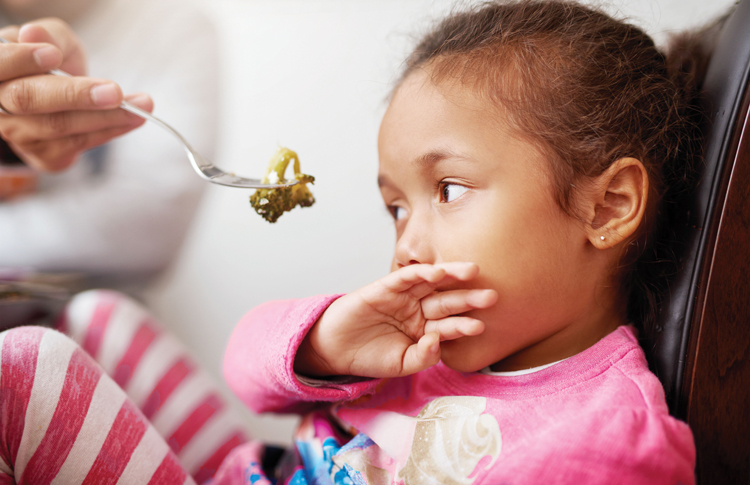
If your child has iron deficiency, you may be tempted to try anything to encourage them to eat the foods they need. But don’t—bribing, rewarding, forcing, or punishing children about their eating often backfires.

Instead, make mealtimes pleasant by having structured meal and snack times. Let your child help decide what you serve by giving them choices ahead of time.

  • “Should we have lentils or pinto beans tonight?”
  • “Do you want me to get chicken legs or ground beef for meatballs?”
  • “Should we have a mango or an orange for dessert?”
Child refusing spoonful of vegetables, hand covering mouth
Green dragon with intricate wings flying gracefully

REFERENCES:

Iron: Fact Sheet for Health Professionals
https://ods.od.nih.gov/factsheets/Iron-HealthProfessional/

Vitamin C: Fact Sheet for Health Professionals
https://ods.od.nih.gov/factsheets/VitaminC-HealthProfessional/

Author:
Bridget Swinney MS, RDN, LD

You May Also Like...

July 22, 2026

The Benefits of Family Meals for Kids and Parents

The Benefits of Eating Meals Together as a Family Think about your family meals for a moment. How often does your family sit down and eat together? Is the TV…

Read More
1
May 20, 2026

Meet the Milks: Dairy and Plant-Based Choices

Meet the Milks Thirty years ago, for many of us, milk meant whole milk, 2%, 1%, or skim. And it just came from cows. Today, milk can mean so much…

Read More
1
April 8, 2026

Avoiding Food Waste

Simple Tips to Reduce Food Waste and Stretch Your WIC Benefits Ana was tired of throwing food away. She felt like her money was literally going in the trash. She…

Read More
1
WATCH VIDEOS
  • Infant
    • Infant Pacifiers: Benefits, Safety Tips, and When to Wean
    • When to Start Peanut and Egg to Help Prevent Allergies
    • The Basics of Paced Bottle-Feeding
    • How Do I Know If My Baby Could Be Tongue-Tied?
    • Protect Your Baby from Cronobacter
  • Children
    • Simple Child Safety Tips Every Parent Should Know
    • Shopping With Kids: A Simple Way to Help Them Like More Foods
    • Pumpkin Fun: Free and Healthy Activities for Kids Under 5
    • Letting Your Child Play with Food Can Be a Good Thing
    • Is Snack Time Treat Time?
  • General /Family
    • The Benefits of Family Meals for Kids and Parents
    • Meet the Milks: Dairy and Plant-Based Choices
    • Avoiding Food Waste
    • The 2025-2030 Dietary Guidelines for Americans – What Families Need to Know
    • Finding Calm When Life Gets Busy: Stress-Management for Parents
  • Women
    • How Partners Can Support Breastfeeding
    • Common Breastfeeding Challenges and Simple Solutions for Parents
    • Paced Bottle-Feeding: How to Feed Your Baby the Right Way
    • Breastfeeding and Returning to Work: Tips for Pumping & Planning
    • Increasing Milk Supply: Myths vs. Facts About Breastfeeding
  • Recipes
    • Healthy Red, White, and Blue Snacks for Kids
    • Simple Meals with Canned Fish: Easy, Healthy & Budget-Friendly Ideas
    • Fresh & Easy Spring Snacks for Toddlers
    • Fresh & Easy Spring Veggie Pasta
    • Heart-Healthy Recipe: Banana Berry Oatmeal Cups
LiveWell WIC program logo

Contact Us

USDA is an equal opportunity provider, employer, and lender.

Cookie PolicyAbout UsPrivacy PolicyTerms of Agreement

© Brush Art Corporation

  • Email
  • SMS
If you are using multiple emails, separate them with commas.

    SMS Communication Consent

    Share

    Share this link via:

    Cartoon vegetables with leafy tops gather playfully together.

    Side-Lying Hold

    1. For the right breast, lie on your right side with your baby facing you.
    2. Pull your baby close. Your baby’s mouth should be level with your nipple.
    3. In this position, you can cradle your baby’s back with your left arm and support yourself with your right arm and/or pillows.
    4. Keep loose clothing and bedding away from your baby.
    5. Reverse for the left breast.

    This hold is useful when:

    • You had a C-section
    • You want to rest while baby feeds
    • You are breastfeeding in the middle of the night
    • You and your baby are comfortable in this position
    Yellow circle with abstract, jagged shapes and patterns.

    Cross-Cradle Hold

    1. For the right breast, use your left arm to hold your baby’s head at your right breast and baby’s body toward your left side. A pillow across your lap can help support your left arm.
    2. Gently place your left hand behind your baby’s ears and neck, with your thumb and index finger behind each ear and your palm between baby’s shoulder blades. Turn your baby’s body toward yours so your tummies are touching.
    3. Hold your breast as if you are squeezing a sandwich. To protect your back, avoid leaning down to your baby. Instead, bring your baby to you.
    4. As your baby’s mouth opens, push gently with your left palm on baby’s head to help them latch on. Make sure you keep your fingers out of the way.
    5. Reverse for the left breast.

    This hold is useful when:

    • Your baby is premature
    • Your baby has a weak suck
    • Your baby needs help to stay latched
    • Your baby needs extra head support
    • You and your baby are comfortable in this position
    Cat playing with butterfly in a garden.

    Clutch or “Football” Hold

    1. For the right breast, hold your baby level, facing up, at your right side.
    2. Put your baby’s head near your right nipple and support their back and legs under your right arm.
    3. Hold the base of your baby’s head with your right palm. A pillow underneath your right arm can help support your baby’s weight.
    4. To protect your back, avoid leaning down to your baby. Bring baby to you instead.
    5. Reverse for the left breast.

    This hold is useful when:

    • You had a C-section
    • You have large breasts
    • You have flat or inverted nipples
    • You have a strong milk let-down
    • You are breastfeeding twins
    • Your baby likes to feed in an upright position
    • Your baby has reflux
    • You and your baby are comfortable in this position
    Peach circle with abstract shapes radiating outward.

    Cradle Hold

    1. For the right breast, cradle your baby with your right arm. Your baby will be on their left side across your lap, facing you at nipple level.
    2. Your baby’s head will rest on your right forearm with your baby’s back along your inner arm and palm.
    3. Turn your baby’s tummy toward your tummy. Your left hand is free to support your breast, if needed. Pillows can help support your arm and elbow.
    4. To protect your back, avoid leaning down to your baby. Instead, bring your baby to you.
    5. Reverse for the left breast.

    This hold is useful when:

    • Your baby needs help latching on
    • You and your baby are comfortable in this position
    Smiling peach character waving cheerful hello.

    Laid-Back Hold

    1. Lean back on a pillow with your baby’s tummy touching yours and their head at breast level. Some moms find that sitting up nearly straight works well. Others prefer to lean back and lie almost flat.
    2. You can place your baby’s cheek near your breast, or you may want to use one hand to hold your breast near your baby. It’s up to you and what you think feels best.
    3. Your baby will naturally find your nipple, latch, and begin to suckle.

    This hold is useful when:

    • Your baby is placed on your chest right after birth
    • You have a strong milk let-down
    • You have large breasts
    • You and your baby are comfortable in this position