
Skip to Content Skip to Footer
LiveWell WIC logo
Livewell Wic
  • Home
  • Ellyn Satter
    • Ellyn Satter
      Prenatal / Postpartum
    • Ellyn Satter
      Newborn / Infant
    • Ellyn Satter
      Older Baby / Almost Toddler
    • Ellyn Satter
      Toddler / Preschooler
  • Breastfeeding
  • Eat·Grow·Live Healthy
    • Eat·Grow·Live Healthy
      Women
    • Eat·Grow·Live Healthy
      Infants
    • Eat·Grow·Live Healthy
      Children
    • Eat·Grow·Live Healthy
      Fathers
  • Live Well Blog
  • Español
seafood

Build Your Baby’s Brain with Seafood

  • Home
  • Live Well Blog
  • Build Your Baby’s Brain with Seafood
September 25, 2024 Women

fish

Seafood is in the news a lot–why you should eat it and some reasons why you shouldn’t. The truth is, fish and seafood are very healthy, but you need to be careful about what and how much you eat, especially if you are pregnant or could become pregnant.

Why is Seafood Healthy?

Baby-Building Nutrients in Seafood

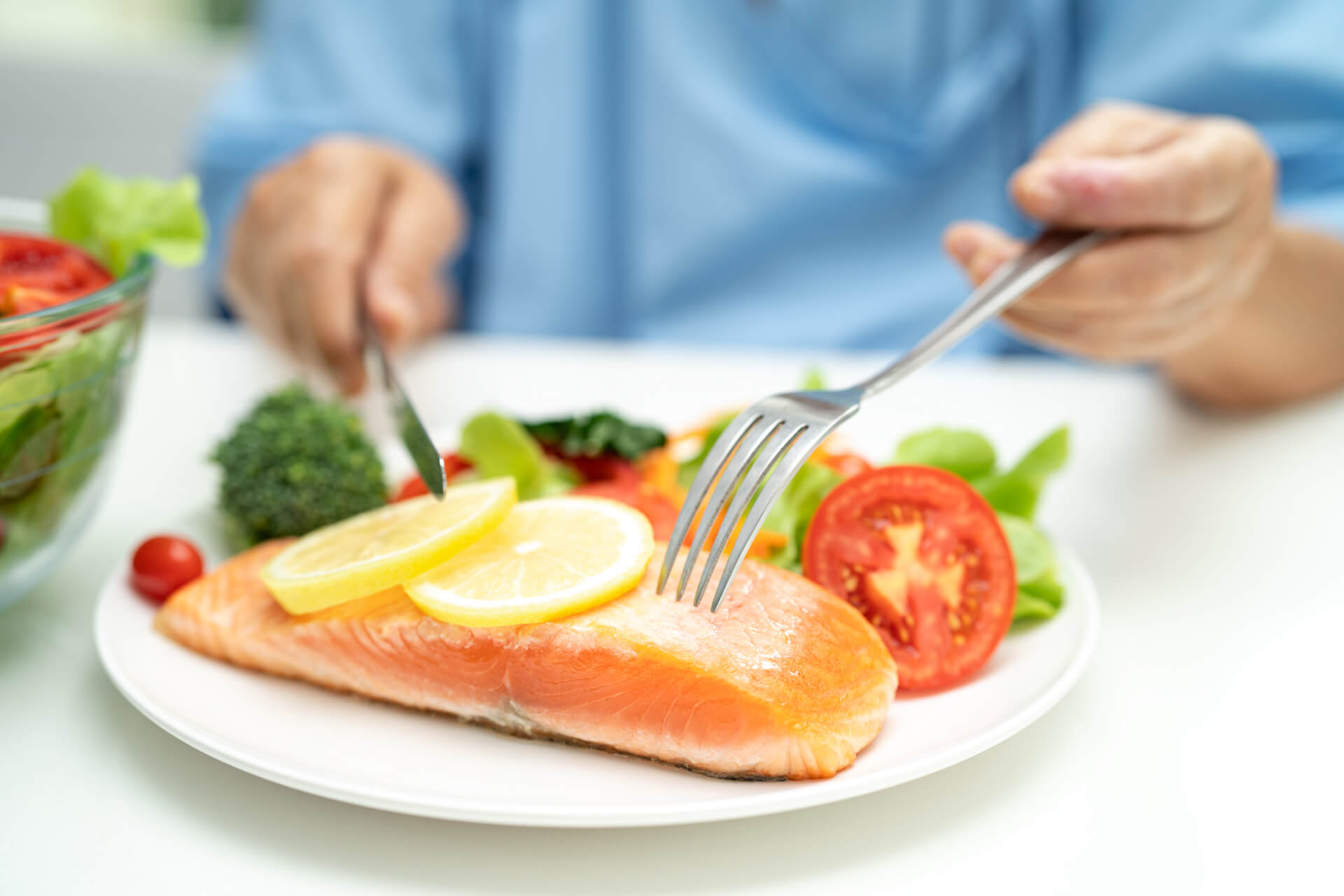
Fish and seafood are excellent sources of protein, and rich in the antioxidant selenium and a healthy fat called omega-3. During pregnancy, omega-3 fats are important for your baby’s brain and eye development and are also good for your own heart health. Because your baby gets all their nutrition from you while you’re pregnant and breastfeeding, they’re counting on you to get omega-3s into your diet.

Other Important Nutrients in Fish

Iron: Shellfish, like shrimp and mussels, are especially high in iron, which along with zinc, can help prevent preterm birth and preeclampsia (a serious blood pressure condition during pregnancy). Having enough iron also prevents iron deficiency anemia which can lead to severe learning problems.

Zinc: Having enough zinc in your diet helps prevent neural tube defects, or birth defects of the brain and spine. Zinc is also needed for your baby’s developing immune system.

Iodine: Iodine is important for thyroid and brain development. Many prenatal vitamins don’t contain iodine.

Choline: Your baby needs choline for brain development and to help prevent neural tube defects. Choline is not found in all prenatal vitamins. Salmon provides a good source of choline, and eggs are also an excellent source.

What Other Foods Have Omega-3s?

Omega-3 fats are found in much smaller amounts in other foods like grass-fed beef. Chia seeds, flax seeds, walnuts, and canola oil are also rich in omega-3s. However, the type of omega-3s found in plant foods are not used by the body in the same way. So even though they are healthy fats, it’s good to get the kinds of omega-3s found in seafood too.

Some milk, cereal, soy milk, margarine, and eggs are fortified with omega-3s. Some prenatal supplements have omega-3s added too; you might see them on the label as DHA and EPA.

Omega-3s found in plant foods are not used by the body in the same way as Omega-3’s from Seafood.
Why some People Avoid Eating Seafood

Some people avoid seafood because they worry about too much mercury. The amount of mercury found in seafood depends on the fish’s diet, habitat, age and size. Larger, predatory fish that eat smaller fish have more mercury in their body. For example, swordfish, which is not recommended during pregnancy, is high in mercury, but salmon is very low.

Picking the Healthiest Seafood During Pregnancy

In general, smaller fish are good choices for seafood. These seafood options are low in mercury and rich in omega-3s:
  • Anchovies
  • Herring
  • Mackerel (Atlantic, jack, chub)
  • Rainbow trout
  • Salmon (wild or farm-raised)
  • Sardines
  • Shrimp
  • Tuna (canned, light and skipjack)
ounces
How Much Should You Eat?

The US Dietary Guidelines for Americans recommends pregnant women eat 8-12 oz of seafood that’s lower in mercury each week. This equals 2-3 servings that are about the size of the palm of your hand.

Other Healthy Fish

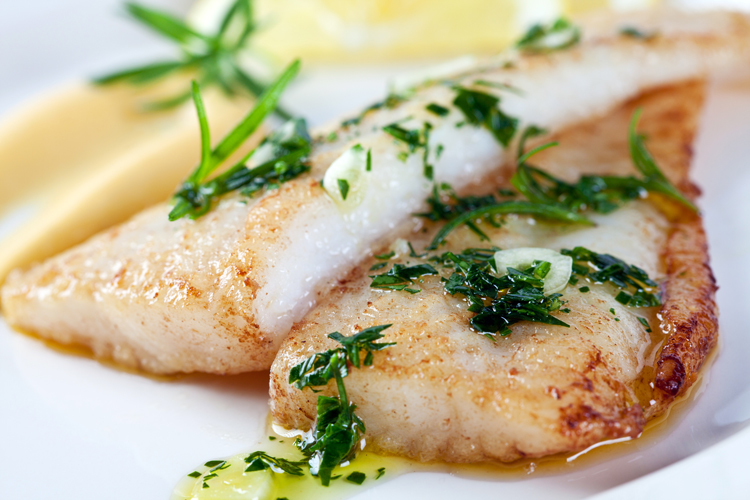
These fish are low in contaminants but don’t have as much omega-3:
  • Catfish (farm-raised)
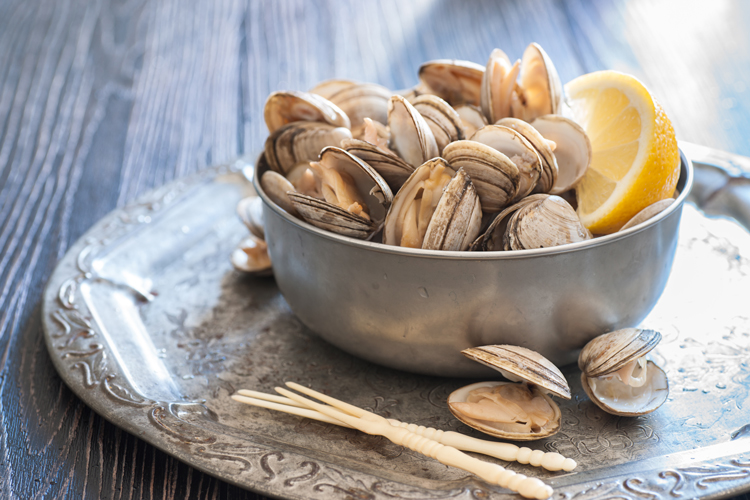
  • Clams
  • Cod
  • Crab (Blue, King and Snow)
  • Crawfish
  • Croaker (Atlantic)
  • Flounder
  • Haddock
  • Oysters (cooked)
  • Perch (ocean)
  • Pollock
  • Scallop
  • Sole
  • Tilapia
  • Whiting (also known as Hake)
catfish
clams
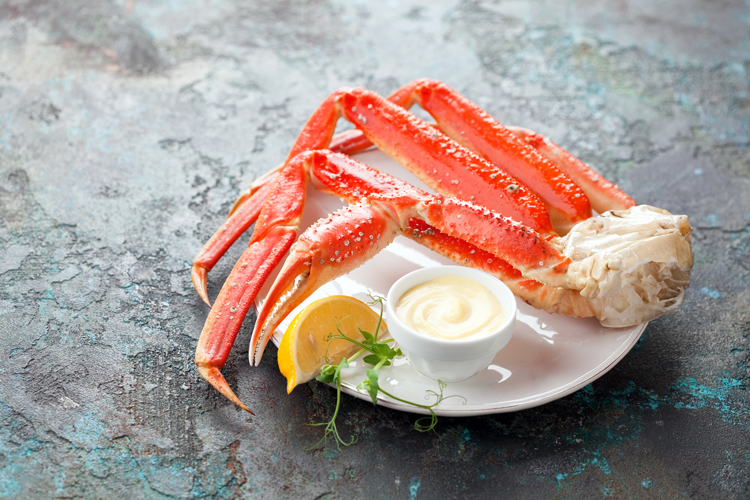
Crab legs served with lemon and dipping sauce.
local fish
What about Local Fishing?

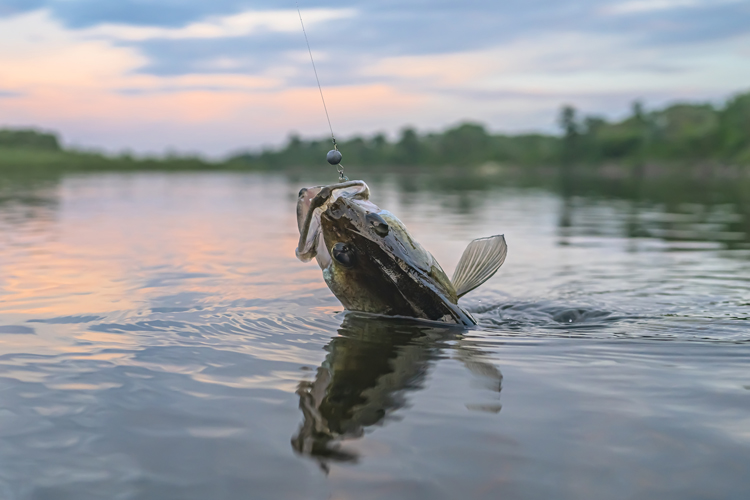
Fishing for your own seafood is fun and it’s great if you have friends or family that provide you with fresh-caught fish! But local lakes and rivers can be polluted with chemicals too, so watch out for advisories posted at each body of water. There are specific guidelines posted for pregnant women and children about how much of each fish is safe to eat in a week. For fish from waters that don’t have any posted guidance, eat only one serving a week and don’t eat any other fish. For locally caught fish, remove the skin, fat, and internal organs before cooking.

fish-icon

Find local fish advisories here:
https://fishadvisoryonline.epa.gov/Contacts.aspx

Fish to Avoid

These fish have excessive mercury or other environmental chemicals found in some waters. They are not safe for pregnant and breastfeeding women to eat.

  • Golden snapper
  • Jack (Amber, Crevalle)
  • King Mackerel
  • Marlin
  • Orange roughy
  • Raw fish (like ceviche and sushi)
  • Shark
  • Spanish Mackerel (Gulf of Mexico)
  • Swordfish
  • Tilefish (Gulf of Mexico)
  • Tuna (bigeye)

Tuna during pregnancy – Yes or No?

Canned tuna is tasty, relatively cheap and easy to prepare. In general, canned light and skipjack tuna are low in mercury. The FDA says it’s ok for pregnant women to eat 8-12 oz of canned light tuna per week, which is 2-3 servings. Choose tuna packed in water. Albacore is much higher in mercury and should be limited to 4 oz. a week. When in doubt, talk with WIC or your healthcare provider.

Remember, fish really is brain food, so be wise and eat seafood weekly!

fish

For more information visit:

https://www.fda.gov/food/consumers/advice-about-eating-fish

REFERENCES:

NIH. Front Cell Neurosci. 2019; 13: 62.
https://www.ncbi.nlm.nih.gov/pmc/articles/PMC6414196/#:~:text=Prenatal%20zinc%20deficiency%20resulting%20from,subtle%20neurological%20and%20cognitive%20impairments.

NIH. PubMed. Iodine status and supplementation before, during, and after pregnancy.
https://pubmed.ncbi.nlm.nih.gov/32792134/

NIH. Iodine Contents in Prenatal Vitamins in the United States. 2017 Aug 1; 27(8): 1101–1102.
https://www.ncbi.nlm.nih.gov/pmc/articles/PMC5912719/

NIH. Nutrients. Choline: Exploring the Growing Science on Its Benefits for Moms and Babies
2019 Aug; 11(8): 1823.
https://www.ncbi.nlm.nih.gov/pmc/articles/PMC6722688/

FDA. Fish advice for pregnancy.
https://www.fda.gov/food/consumers/advice-about-eating-fish

Fish4Health. Find the Best Fish for You.
https://fish4health.net/eating-fish/find-the-best-fish-for-you/

Science Direct. Persistent and toxic chemical pollutants in fish consumed by Asians in Chicago, United States.
https://www.sciencedirect.com/science/article/abs/pii/S0048969721072909

Consumer Reports. How Worried Should You be about Mercury in Your Tuna?
February 9, 2023.
https://www.consumerreports.org/health/food-safety/how-worried-should-you-be-about-mercury-in-your-tuna-a5041903086/

Author:
Bridget Swinney MS, RDN, LD

You May Also Like...

April 29, 2026

Pumping Basics & Safe Breast Milk Storage Guide

Welcoming a new baby comes with lots of learning moments, and for many families, pumping breast milk is one of them. Whether you’re pumping by choice, returning to work, managing…

Read More
1
April 15, 2026

Getting a Good Latch: Breastfeeding Positions & Holds That Help

Knowing when your baby is hungry, and when they are full, can help feeding feel easier and less stressful. Newborns usually eat 8 to 12 times each day, so learning…

Read More
2
March 25, 2026

Newborn Hunger Cues: How to Know When Your Baby Is Hungry or Full

Knowing when your baby is hungry, and when they are full, can help feeding feel easier and less stressful. Newborns usually eat 8 to 12 times each day, so learning…

Read More
1
  • Infant
    • When to Start Peanut and Egg to Help Prevent Allergies
    • The Basics of Paced Bottle-Feeding
    • How Do I Know If My Baby Could Be Tongue-Tied?
    • Protect Your Baby from Cronobacter
    • Exploring the World with Baby – Sensory Play
  • Children
    • Shopping With Kids: A Simple Way to Help Them Like More Foods
    • Pumpkin Fun: Free and Healthy Activities for Kids Under 5
    • Letting Your Child Play with Food Can Be a Good Thing
    • Is Snack Time Treat Time?
    • Fun Ways to Learn About Healthy Food and Get Moving!
  • General /Family
    • Avoiding Food Waste
    • The 2025-2030 Dietary Guidelines for Americans – What Families Need to Know
    • Finding Calm When Life Gets Busy: Stress-Management for Parents
    • February Is National Heart Month: Simple Ways to Show Your Heart Some Love
    • 10 Ways to Enjoy Avocados – And Helpful Tips to Feed with Confidence
  • Women
    • Pumping Basics & Safe Breast Milk Storage Guide
    • Getting a Good Latch: Breastfeeding Positions & Holds That Help
    • Newborn Hunger Cues: How to Know When Your Baby Is Hungry or Full
    • How to Know Your Baby Is Getting Enough Breastmilk
    • Breastfeeding Through Growth Spurts and Sleep Changes
  • Recipes
    • Fresh & Easy Spring Veggie Pasta
    • Heart-Healthy Recipe: Banana Berry Oatmeal Cups
    • Is the Chia Seed Challenge Worth It?
    • Extra Vegetables Quiche
    • Easy Pumpkin Muffins
LiveWell WIC program logo

Contact Us

USDA is an equal opportunity provider, employer, and lender.

Cookie PolicyAbout UsPrivacy PolicyTerms of Agreement

© Brush Art Corporation

  • Email
  • SMS
If you are using multiple emails, separate them with commas.

    SMS Communication Consent

    Share

    Share this link via:

    Cartoon vegetables with leafy tops gather playfully together.

    Side-Lying Hold

    1. For the right breast, lie on your right side with your baby facing you.
    2. Pull your baby close. Your baby’s mouth should be level with your nipple.
    3. In this position, you can cradle your baby’s back with your left arm and support yourself with your right arm and/or pillows.
    4. Keep loose clothing and bedding away from your baby.
    5. Reverse for the left breast.

    This hold is useful when:

    • You had a C-section
    • You want to rest while baby feeds
    • You are breastfeeding in the middle of the night
    • You and your baby are comfortable in this position
    Yellow circle with abstract, jagged shapes and patterns.

    Cross-Cradle Hold

    1. For the right breast, use your left arm to hold your baby’s head at your right breast and baby’s body toward your left side. A pillow across your lap can help support your left arm.
    2. Gently place your left hand behind your baby’s ears and neck, with your thumb and index finger behind each ear and your palm between baby’s shoulder blades. Turn your baby’s body toward yours so your tummies are touching.
    3. Hold your breast as if you are squeezing a sandwich. To protect your back, avoid leaning down to your baby. Instead, bring your baby to you.
    4. As your baby’s mouth opens, push gently with your left palm on baby’s head to help them latch on. Make sure you keep your fingers out of the way.
    5. Reverse for the left breast.

    This hold is useful when:

    • Your baby is premature
    • Your baby has a weak suck
    • Your baby needs help to stay latched
    • Your baby needs extra head support
    • You and your baby are comfortable in this position
    Cat playing with butterfly in a garden.

    Clutch or “Football” Hold

    1. For the right breast, hold your baby level, facing up, at your right side.
    2. Put your baby’s head near your right nipple and support their back and legs under your right arm.
    3. Hold the base of your baby’s head with your right palm. A pillow underneath your right arm can help support your baby’s weight.
    4. To protect your back, avoid leaning down to your baby. Bring baby to you instead.
    5. Reverse for the left breast.

    This hold is useful when:

    • You had a C-section
    • You have large breasts
    • You have flat or inverted nipples
    • You have a strong milk let-down
    • You are breastfeeding twins
    • Your baby likes to feed in an upright position
    • Your baby has reflux
    • You and your baby are comfortable in this position
    Peach circle with abstract shapes radiating outward.

    Cradle Hold

    1. For the right breast, cradle your baby with your right arm. Your baby will be on their left side across your lap, facing you at nipple level.
    2. Your baby’s head will rest on your right forearm with your baby’s back along your inner arm and palm.
    3. Turn your baby’s tummy toward your tummy. Your left hand is free to support your breast, if needed. Pillows can help support your arm and elbow.
    4. To protect your back, avoid leaning down to your baby. Instead, bring your baby to you.
    5. Reverse for the left breast.

    This hold is useful when:

    • Your baby needs help latching on
    • You and your baby are comfortable in this position
    Smiling peach character waving cheerful hello.

    Laid-Back Hold

    1. Lean back on a pillow with your baby’s tummy touching yours and their head at breast level. Some moms find that sitting up nearly straight works well. Others prefer to lean back and lie almost flat.
    2. You can place your baby’s cheek near your breast, or you may want to use one hand to hold your breast near your baby. It’s up to you and what you think feels best.
    3. Your baby will naturally find your nipple, latch, and begin to suckle.

    This hold is useful when:

    • Your baby is placed on your chest right after birth
    • You have a strong milk let-down
    • You have large breasts
    • You and your baby are comfortable in this position