

Skip to Content Skip to Footer
LiveWell WIC logo
Livewell Wic
  • Home
  • Ellyn Satter
    • Ellyn Satter
      Prenatal / Postpartum
    • Ellyn Satter
      Newborn / Infant
    • Ellyn Satter
      Older Baby / Almost Toddler
    • Ellyn Satter
      Toddler / Preschooler
  • Breastfeeding
  • Eat·Grow·Live Healthy
    • Eat·Grow·Live Healthy
      Women
    • Eat·Grow·Live Healthy
      Infants
    • Eat·Grow·Live Healthy
      Children
    • Eat·Grow·Live Healthy
      Fathers
  • Live Well Blog
  • Español
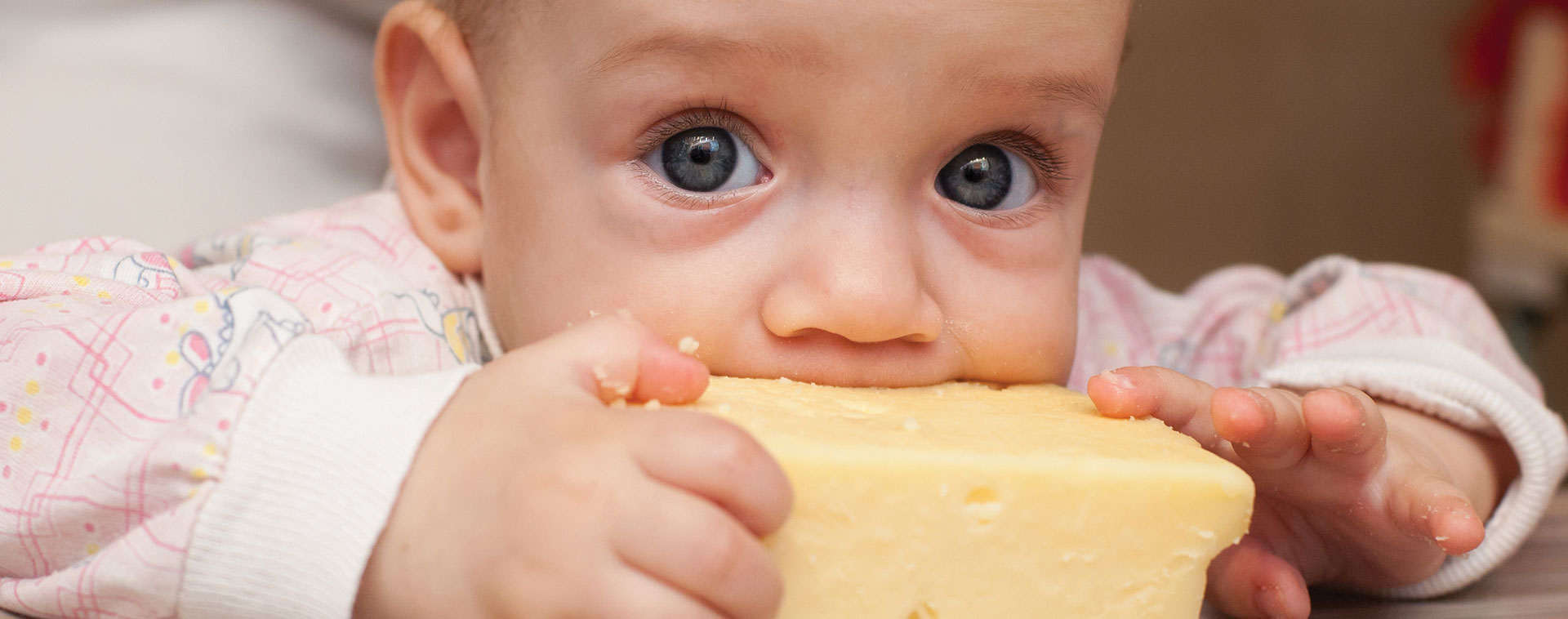
Baby-eating-cheese

Kid-Friendly Calcium

  • Home
  • Live Well Blog
  • Kid-Friendly Calcium
November 20, 2024 Recipes

You probably know that calcium is important for building strong bones and teeth. But did you know that having enough calcium in your diet also:

  • Helps regulate the heart and muscle contractions.
  • Decreases the risk of high blood pressure, cardiovascular disease, obesity, metabolic syndrome, type 2 diabetes, Alzheimer’s disease, colorectal cancer, and osteoporosis.
  • Helps keep blood pressure normal during pregnancy.

Unfortunately, many American children and adults don’t get enough calcium!

How Much Calcium is Enough?

0-6 months
200 mg
7-12 months
260 mg
1-3 years
700 mg
4-8 years
1,000 mg
14-18 years
1,300 mg
Pregnant teens 14-18 years
1,300 mg
Pregnant women 19-50 years
1,000 mg
Dad-playing-with-toddleR
serve-milk

The easiest way to help your family get enough calcium is to serve milk, yogurt, or cheese with meals. But don’t worry if some family members don’t like dairy, there are other foods with calcium and it’s easy to add dairy while cooking.


Here are some kid-approved tips for getting more calcium:

Family enjoying spaghetti meal in the kitchen together.
  • 1. Use evaporated milk—which has twice the calcium of regular milk—when cooking and baking. Evaporated milk works great for making mashed potatoes, corn or fish chowder, and creamy broccoli or pumpkin soup. Check out this easy Pumpkin Curry Soup recipe.
  • 2. Add cheese to mashed potatoes, eggs, baked potatoes, pasta, sandwiches, sauces, and vegetables.
  • 3. Serve calcium-rich veggies like kale, broccoli, bok choy, and collard greens. Make a yummy, creamy soup with cooked potatoes and broccoli, milk, cheese, and seasoning.
  • 4. Choose frozen yogurt over ice cream; it has more calcium.
  • 5. String cheese is a great portable snack and is yummy with apple slices.
  • 6. Add sliced cheese to sandwiches or melt grated cheese into macaroni and cheese. Grilled cheese sandwiches are a kid favorite!
  • 7. Make a “Shrek Shake” or a “Kermit Kooler” by adding calcium-rich kale to your favorite smoothie.
baby-women
Pumpkin
Check out this easy Pumpkin Curry Soup recipe.
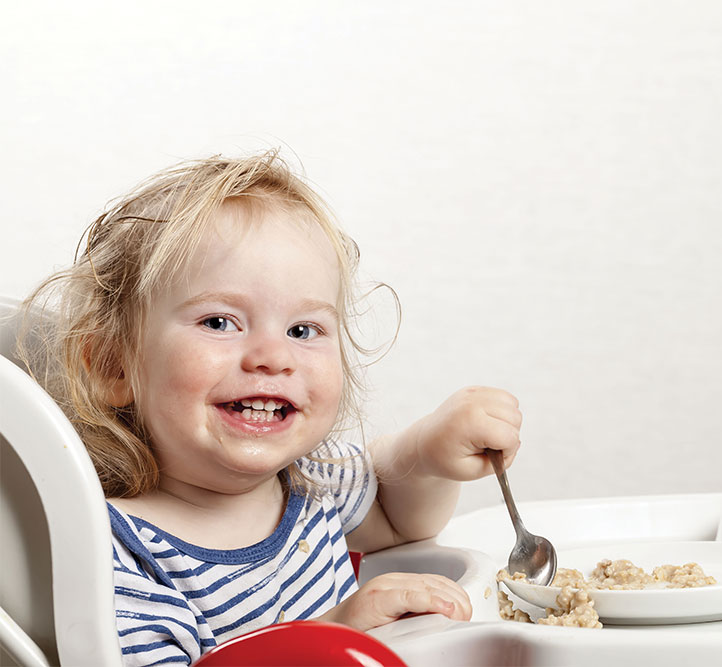
Smiling toddler eating oatmeal with a spoon.
  • 8. Make salmon patties using canned salmon. Shape them into “nuggets” or patties that can be eaten on a sandwich or in a hot dog bun.
  • 9. Use plain Greek yogurt as a substitute for sour cream in dips, sauces, and toppings.
  • 10. Make homemade hummus with chickpeas or great northern beans, lemon juice, garlic, and tahini (sesame seed butter). Sesame seeds are a surprisingly good source of calcium.
  • 11. Make oatmeal and other hot cereals with milk instead of water.

Got Calcium? Find it in Your
WIC Shopping List!

  • Milk, plant-based milk substitutes, yogurt, and tofu provide excellent sources of calcium. Milk has vitamin D, which is also needed for strong bones.
  • Some WIC-approved breads, cereals, and WIC juices have added calcium; check the label to make the best choice.
  • Some brands of tortillas have more calcium— check the label to choose the best one.

Did you know?

Prenatal supplements don’t contain all the calcium you need. Women who don’t get 4 servings of calcium-rich foods daily are at a greater risk for problems during pregnancy like pre-eclampsia and high blood pressure. Ask your healthcare provider about a calcium supplement.

Lactose Intolerant? Dairy is Not Off the Table!

Cheese

Even if lactose intolerance is an issue, it doesn’t mean dairy is a no-go. Cheese has smaller amounts of lactose and fermented milk products like yogurt and kefir are easier to digest. Many brands of milk also have a lactose-free version.

glasses

Strong bones, happy homes! Whether it’s a glass of milk, a slice of cheese, or a spoonful of yogurt, getting enough calcium is easy when the whole family’s in on it.

Let’s raise our forks (and glasses) to healthy, calcium-packed meals—one bite at a time!

glasses

REFERENCES:

Author: Bridget Swinney MS, RDN, LD

Nestle Carnation. Pumpkin Curry Soup.
https://www.verybestbaking.com/carnation/recipes/pumpkin-curry-soup/

Calcium Fact Sheet for Health Professionals, National Institutes of Health
https://ods.od.nih.gov/factsheets/Calcium-HealthProfessional/

Zhang X, et al. Milk consumption and multiple health outcomes: umbrella review of
systematic reviews and meta-analyses in humans. Nutr Metab (Lond). 2021; 18: 7.
https://www.ncbi.nlm.nih.gov/pmc/articles/PMC7789627/

GJ Hoffmeyr et al. Pregnancy Hypertens. 2021 Mar; 23: 91–96.
Low dietary calcium is associated with the hypertensive disorders of pregnancy, and evidence suggests that the risks associated with pre-eclampsia are reduced by calcium supplementation. Low dietary calcium intake is also associated with hypertension in the non-pregnant population.

Hofmeyr GJ, Seuc A, Betrán AP, Cormick G, Singata M, Fawcus S, Mose S, Frank K, Hall D, Belizán J, Roberts JM, Magee LA, von Dadelszen P; Calcium, Pre-eclampsia Study Group. The effect of calcium supplementation on blood pressure in non-pregnant women with previous pre-eclampsia: A randomized placebo-controlled study. Pregnancy Hypertens. 2021 Mar;23:91-96. doi: 10.1016/j.preghy.2020.11.012. Epub 2020 Dec 3. PMID: 33302116; PMCID: PMC7910271.
https://www.ncbi.nlm.nih.gov/pmc/articles/PMC7910271/

Perry, A. et al. BMJ Nutr Prev Health. 2022; 5(1): 118–133.

Low calcium intake decreases plasma calcium concentration leading to activation of the renin-angiotensin-aldosterone system (RAAS). Activation of the RAAS stimulates the release of parathyroid hormone and parathyroid hypertensive factor and the release of calcitriol. This results in increased calcium concentration in the vascular smooth muscle cell causing vasoconstriction and results in high BP.
88 https://www.ncbi.nlm.nih.gov/pmc/articles/PMC9237898/

WIC Food Packages Regulatory Requirements
https://www.fns.usda.gov/wic/food-packages/regulatory-requirements

You May Also Like...

May 6, 2026

Fresh & Easy Spring Snacks for Toddlers

Fresh & Easy Springtime Snacks for Toddlers Spring is a great time to enjoy fresh, colorful foods. Many fruits and vegetables are in season, and they make perfect snacks for…

Read More
1
April 22, 2026

Fresh & Easy Spring Veggie Pasta

A Simple, Colorful Meal Your Whole Family Can Enjoy Spring is a great time to add fresh flavors and bright colors to your family’s meals. As the weather warms up,…

Read More
1
February 18, 2026

Heart-Healthy Recipe: Banana Berry Oatmeal Cups

Banana Berry Oatmeal Cups February is all about showing your heart some love! One tasty way to do that is by eating foods that help your heart stay strong, like…

Read More
2
  • Infant
    • Infant Pacifiers:
      Benefits, Safety Tips, and When to Wean
    • When to Start Peanut and Egg to Help Prevent Allergies
    • The Basics of Paced Bottle-Feeding
    • How Do I Know If My Baby Could Be Tongue-Tied?
    • Protect Your Baby from Cronobacter
  • Children
    • Shopping With Kids: A Simple Way to Help Them Like More Foods
    • Pumpkin Fun: Free and Healthy Activities for Kids Under 5
    • Letting Your Child Play with Food Can Be a Good Thing
    • Is Snack Time Treat Time?
    • Fun Ways to Learn About Healthy Food and Get Moving!
  • General /Family
    • Meet the Milks: Dairy and Plant-Based Choices
    • Avoiding Food Waste
    • The 2025-2030 Dietary Guidelines for Americans – What Families Need to Know
    • Finding Calm When Life Gets Busy: Stress-Management for Parents
    • February Is National Heart Month: Simple Ways to Show Your Heart Some Love
  • Women
    • Paced Bottle-Feeding: How to Feed Your Baby the Right Way
    • Breastfeeding and Returning to Work: Tips for Pumping & Planning
    • Increasing Milk Supply: Myths vs. Facts About Breastfeeding
    • Pumping Basics & Safe Breast Milk Storage Guide
    • Getting a Good Latch: Breastfeeding Positions & Holds That Help
  • Recipes
    • Fresh & Easy Spring Snacks for Toddlers
    • Fresh & Easy Spring Veggie Pasta
    • Heart-Healthy Recipe: Banana Berry Oatmeal Cups
    • Is the Chia Seed Challenge Worth It?
    • Extra Vegetables Quiche
LiveWell WIC program logo

Contact Us

USDA is an equal opportunity provider, employer, and lender.

Cookie PolicyAbout UsPrivacy PolicyTerms of Agreement

© Brush Art Corporation

  • Email
  • SMS
If you are using multiple emails, separate them with commas.

    SMS Communication Consent

    Share

    Share this link via:

    Cartoon vegetables with leafy tops gather playfully together.

    Side-Lying Hold

    1. For the right breast, lie on your right side with your baby facing you.
    2. Pull your baby close. Your baby’s mouth should be level with your nipple.
    3. In this position, you can cradle your baby’s back with your left arm and support yourself with your right arm and/or pillows.
    4. Keep loose clothing and bedding away from your baby.
    5. Reverse for the left breast.

    This hold is useful when:

    • You had a C-section
    • You want to rest while baby feeds
    • You are breastfeeding in the middle of the night
    • You and your baby are comfortable in this position
    Yellow circle with abstract, jagged shapes and patterns.

    Cross-Cradle Hold

    1. For the right breast, use your left arm to hold your baby’s head at your right breast and baby’s body toward your left side. A pillow across your lap can help support your left arm.
    2. Gently place your left hand behind your baby’s ears and neck, with your thumb and index finger behind each ear and your palm between baby’s shoulder blades. Turn your baby’s body toward yours so your tummies are touching.
    3. Hold your breast as if you are squeezing a sandwich. To protect your back, avoid leaning down to your baby. Instead, bring your baby to you.
    4. As your baby’s mouth opens, push gently with your left palm on baby’s head to help them latch on. Make sure you keep your fingers out of the way.
    5. Reverse for the left breast.

    This hold is useful when:

    • Your baby is premature
    • Your baby has a weak suck
    • Your baby needs help to stay latched
    • Your baby needs extra head support
    • You and your baby are comfortable in this position
    Cat playing with butterfly in a garden.

    Clutch or “Football” Hold

    1. For the right breast, hold your baby level, facing up, at your right side.
    2. Put your baby’s head near your right nipple and support their back and legs under your right arm.
    3. Hold the base of your baby’s head with your right palm. A pillow underneath your right arm can help support your baby’s weight.
    4. To protect your back, avoid leaning down to your baby. Bring baby to you instead.
    5. Reverse for the left breast.

    This hold is useful when:

    • You had a C-section
    • You have large breasts
    • You have flat or inverted nipples
    • You have a strong milk let-down
    • You are breastfeeding twins
    • Your baby likes to feed in an upright position
    • Your baby has reflux
    • You and your baby are comfortable in this position
    Peach circle with abstract shapes radiating outward.

    Cradle Hold

    1. For the right breast, cradle your baby with your right arm. Your baby will be on their left side across your lap, facing you at nipple level.
    2. Your baby’s head will rest on your right forearm with your baby’s back along your inner arm and palm.
    3. Turn your baby’s tummy toward your tummy. Your left hand is free to support your breast, if needed. Pillows can help support your arm and elbow.
    4. To protect your back, avoid leaning down to your baby. Instead, bring your baby to you.
    5. Reverse for the left breast.

    This hold is useful when:

    • Your baby needs help latching on
    • You and your baby are comfortable in this position
    Smiling peach character waving cheerful hello.

    Laid-Back Hold

    1. Lean back on a pillow with your baby’s tummy touching yours and their head at breast level. Some moms find that sitting up nearly straight works well. Others prefer to lean back and lie almost flat.
    2. You can place your baby’s cheek near your breast, or you may want to use one hand to hold your breast near your baby. It’s up to you and what you think feels best.
    3. Your baby will naturally find your nipple, latch, and begin to suckle.

    This hold is useful when:

    • Your baby is placed on your chest right after birth
    • You have a strong milk let-down
    • You have large breasts
    • You and your baby are comfortable in this position