Skip to Content Skip to Footer
LiveWell WIC logo
Livewell Wic
  • Home
  • Ellyn Satter
    • Ellyn Satter
      Prenatal / Postpartum
    • Ellyn Satter
      Newborn / Infant
    • Ellyn Satter
      Older Baby / Almost Toddler
    • Ellyn Satter
      Toddler / Preschooler
  • Breastfeeding
  • Eat·Grow·Live Healthy
    • Eat·Grow·Live Healthy
      Women
    • Eat·Grow·Live Healthy
      Infants
    • Eat·Grow·Live Healthy
      Children
    • Eat·Grow·Live Healthy
      Fathers
  • Content Suite
  • Español
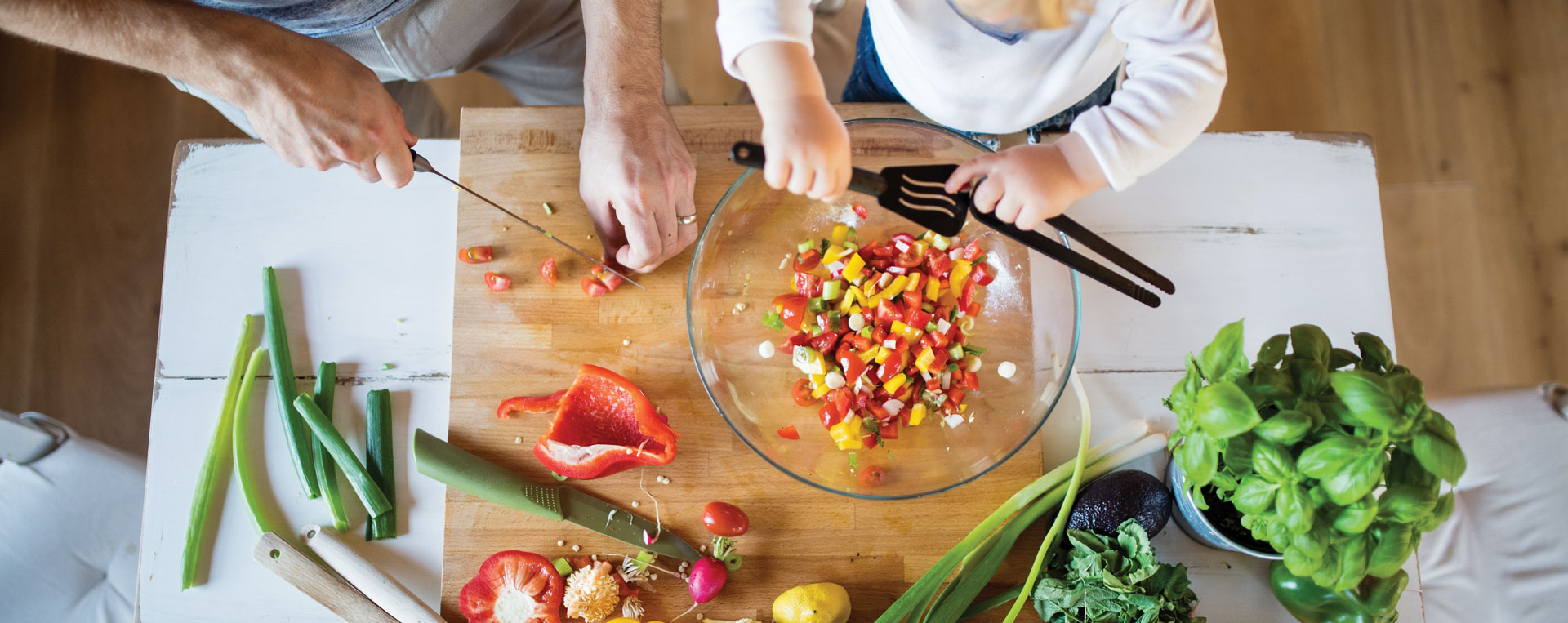
Father and child chopping vegetables for salad

Protecting Your Family from Cyclospora: Summer Food & Water Safety

  • Home
  • The Content Suite
  • Protecting Your Family from Cyclospora: Summer Food & Water Safety
September 2, 2026 General /Family

protect healthybaby How to Protect Your Family from Cyclospora

Food safety is always a hot topic in the summer; rising temperatures means more bacteria growth when food isn’t handled properly. And when the weather warms up, other tiny, unwelcome visitors also come to town: parasites.

Recently, a parasite called Cyclospora (sigh-clo-SPORE-uh) has been in the news due to outbreaks, possibly linked to fresh salad greens. Let’s look at what this tiny bug is, how it spreads, and the simple steps you can take to help keep you and your little ones safe.

question parasite What is a Parasite?

A parasite is a tiny living thing (a germ) that lives inside or on another living thing. Some parasites are big enough to see, like ticks or lice. Others, like Cyclospora, are so microscopic that you can’t see them at all.

Cyclospora gets into food or water through tiny, invisible amounts of feces (poop). If someone swallows it, it can cause a stomach illness called cyclosporiasis.

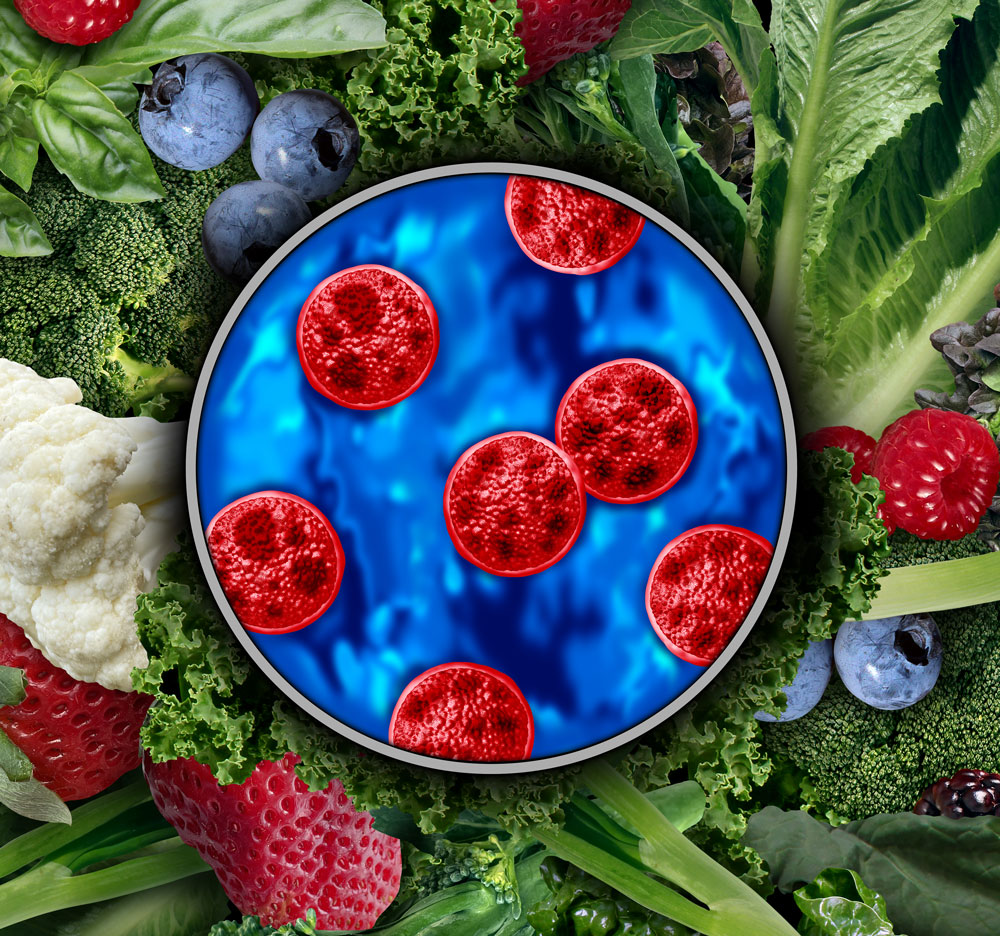
Bacteria magnified over fruits and vegetables
Woman with stomachache looking unwell on couch

healthy baby Signs of Cyclospora:

If you or your child swallows this parasite, you won’t get sick right away. It usually takes 2 days to 2 weeks for symptoms to start.

Symptoms may include:

  • Severe, watery diarrhea that lasts for more than three days
  • Stomach cramps and bloating
  • Nausea or feeling sick to your stomach

From 2016 to 2019, Cyclospora infections increased 875% in the United States. In July of 2026, one outbreak caused 5,000 suspected infections in 34 states. 1 out of every 11 people with the illness have been hospitalized.

alert-white
Because this illness causes a lot of diarrhea, kids can get dehydrated quickly. If your child has these symptoms, call your pediatrician or healthcare provider right away.

people heart How to Protect Your Family

It can be hard to pinpoint exactly what causes cyclosporiasis outbreaks, because it can take up to 2 weeks after contact with the parasite before symptoms appear.

Here are a few things to know to help protect your family from getting sick.

Water Safety: Pools, Lakes, and Splash Pads
Many parents are surprised to learn that chlorine in swimming pools doesn’t easily kill Cyclospora. It can survive in pool water, water parks, and splash pads, as well as in natural lakes and streams.
To help keep your family safe around water:
  • Teach the "no swallowing" rule: Remind kids to never gulp or swallow water when swimming in pools, splash pads, lakes, or the ocean.
  • Stay home if sick: If anyone in your family has diarrhea, don’t go to public pools or water parks. This stops the germs from spreading to other children and families.
  • Wash hands with soap: Hand sanitizer doesn’t work well against parasites. Instead, wash hands with warm water and soap for 20 seconds, especially after using the bathroom, changing diapers, touching pets, and before and after handling raw produce.
Mother holding smiling baby in swimming pool
Kitchen Safety: Shopping and Food Prep

You don’t have to skip fresh summer fruits and veggies! You just need to handle them a little differently during an outbreak.

Here’s how:
  • Avoid "high-risk" foods if there is an outbreak: Foods like bagged salad, fresh cilantro, fresh basil, green onions, snow peas, and fresh raspberries are the most common culprits for carrying this parasite.
  • Cook foods properly: Cooking foods to 158oF or higher is the most effective way to kill the parasite.
  • Skip the bagged salads: Instead of bagged salad kits, buy whole heads of lettuce. Pull off and throw away the outer 2 to 3 leaves, then wash the inner leaves one by one under cold water. If you do buy pre-packaged produce – even if it says 
it’s “pre-washed” – it’s still best to give it another rinse under cold water.
Woman tossing fresh salad in wooden bowl
  • Refrigerate quickly: Put cut fruits and veggies in the fridge right away.
Tip!
Wash produce the right way: A quick rinse under the tap isn’t enough to wash away parasites, and while washing alone can’t 
fully eliminate Cyclospora, it’s still highly recommended to reduce your risk. 

  • The 1-Minute Rinse: Rub veggies under running tap water for a full minute. Use a clean veggie brush on firm foods like melons or cucumbers.
  • The Vinegar Soak: Mix 1 part white vinegar with 3 parts water. Soak your produce in the bowl for 1 minute while stirring it around, then rinse with plain water for 30 seconds.
  • The Salad Spinner Swish: Put your greens in a salad spinner filled with water, swish them around for 1 minute, dump the water, and spin dry.

bottle drink What’s Safe to Drink?

  • Tap and Bottled Water: Tap water from your kitchen sink and sealed bottled water are safe. If you use a water filter at home, check the box to make sure it is certified to remove "cysts" (NSF/ANSI 53 or 58).
  • Boil Water if Needed: If your town issues a "boil water advisory," bring your tap water to a rolling boil for 1 full minute (or 3 minutes if you live high up in the mountains), then allow it to cool before drinking, cooking, or brushing your teeth with it.
  • Avoid Unpasteurized Drinks: Don’t give your kids unpasteurized milk, raw juices, or apple ciders often sold at roadside stands. "Pasteurized" means the drink was heated to kill dangerous bacteria and parasites.
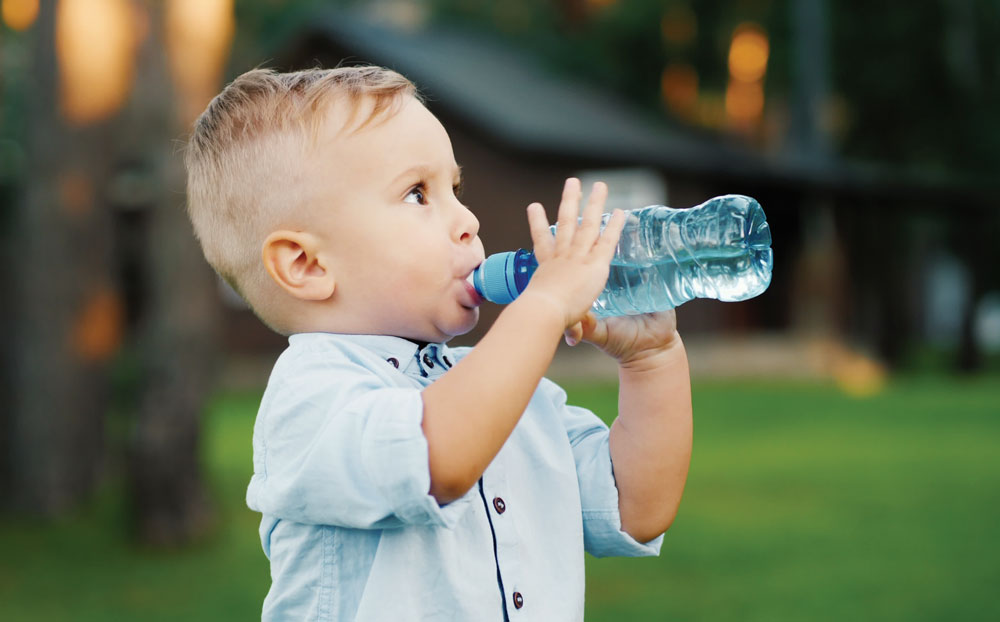
Young boy drinking water from bottle outdoors
If you have questions about water or food safety in your neighborhood, your local health department is the best, most reliable place to get the facts!
Remember!

REFERENCES:

Centers for Disease Control and Prevention. (February 27, 2024). Areas at Risk for Cyclosporiasis.
https://www.cdc.gov/cyclosporiasis/data-research/index.html

Centers for Disease Control and Prevention. (January 30, 2025). About water treatment options when hiking, camping or traveling.
https://www.cdc.gov/drinking-water/prevention/water-treatment-hiking-camping-traveling.html

Centers for Disease Control and Prevention. (April 10, 2024). About choosing home water filters.
https://www.cdc.gov/drinking-water/prevention/about-choosing-home-water-filters.html

Centers for Disease Control and Prevention. (November 14, 2024). About parasites.
https://www.cdc.gov/parasites/about/index.html

CNN. (July 14, 2026). Outbreak of diarrhea from parasite expands to more states as US cases soar beyond last year’s level.
https://www.cnn.com/2026/07/14/health/parasite-diarrhea-states-increase

New York Times. (July 14, 2026). Lettuce or Salad Greens Identified as Potential Source of Cyclospora Outbreak.
https://www.nytimes.com/2026/07/13/well/eat/michigan-cyclospora-outbreak-lettuce-salad-greens.html

PBS. (July 13, 2026). What we know about the cyclosporiasis outbreak linked to produce.
https://www.pbs.org/newshour/show/what-we-know-about-the-cyclosporiasis-outbreak-linked-to-produce

Radhika Gharpure, Ariana Perez, Allison D. Miller, Mary E. Wikswo, Rachel Silver, Michele C. Hlavsa, Cryptosporidiosis outbreaks — United States, 2009–2017, American Journal of Transplantation, Volume 19, Issue 9, 2019, Pages 2650-2654,
https://www.sciencedirect.com/science/article/pii/S1600613522092413

By: Bridget Swinney MS, RDN, LD

You May Also Like...

July 22, 2026

The Benefits of Family Meals for Kids and Parents

The Benefits of Eating Meals Together as a Family Think about your family meals for a moment. How often does your family sit down and eat together? Is the TV…

Read More
4
May 20, 2026

Meet the Milks: Dairy and Plant-Based Choices

Meet the Milks Thirty years ago, for many of us, milk meant whole milk, 2%, 1%, or skim. And it just came from cows. Today, milk can mean so much…

Read More
3
April 8, 2026

Avoiding Food Waste

Simple Tips to Reduce Food Waste and Stretch Your WIC Benefits Ana was tired of throwing food away. She felt like her money was literally going in the trash. She…

Read More
1
WATCH VIDEOS
  • Infant
    • Infant Pacifiers: Benefits, Safety Tips, and When to Wean
    • When to Start Peanut and Egg to Help Prevent Allergies
    • The Basics of Paced Bottle-Feeding
    • How Do I Know If My Baby Could Be Tongue-Tied?
    • Protect Your Baby from Cronobacter
  • Children
    • Food, Feelings, and Your Child’s Health | How Nutrition Affects Mood
    • Simple Child Safety Tips Every Parent Should Know
    • Shopping With Kids: A Simple Way to Help Them Like More Foods
    • Pumpkin Fun: Free and Healthy Activities for Kids Under 5
    • Letting Your Child Play with Food Can Be a Good Thing
  • General /Family
    • The Benefits of Family Meals for Kids and Parents
    • Meet the Milks: Dairy and Plant-Based Choices
    • Avoiding Food Waste
    • The 2025-2030 Dietary Guidelines for Americans – What Families Need to Know
    • Finding Calm When Life Gets Busy: Stress-Management for Parents
  • Women
    • Breastfeeding Nipple Pain: What’s Normal and When to Get Help
    • Cluster Feeding Explained | WIC Breastfeeding Support
    • Breastfeeding Support Available Through WIC | Pumps, Peer Counselors & More
    • How Partners Can Support Breastfeeding
    • Common Breastfeeding Challenges and Simple Solutions for Parents
  • Recipes
    • Rainbow Fruit Salsa with Cinnamon Chips | Healthy Family Snack Recipe
    • Healthy Red, White, and Blue Snacks for Kids
    • Simple Meals with Canned Fish: Easy, Healthy & Budget-Friendly Ideas
    • Fresh & Easy Spring Snacks for Toddlers
    • Fresh & Easy Spring Veggie Pasta
LiveWell WIC program logo

Contact Us

USDA is an equal opportunity provider, employer, and lender.

Cookie PolicyAbout UsPrivacy PolicyTerms of Agreement

© Brush Art Corporation

Share to Social

Share this link via

Share

  • Email
  • SMS
If you are using multiple emails, separate them with commas.

    Cartoon vegetables with leafy tops gather playfully together.

    Side-Lying Hold

    1. For the right breast, lie on your right side with your baby facing you.
    2. Pull your baby close. Your baby’s mouth should be level with your nipple.
    3. In this position, you can cradle your baby’s back with your left arm and support yourself with your right arm and/or pillows.
    4. Keep loose clothing and bedding away from your baby.
    5. Reverse for the left breast.

    This hold is useful when:

    • You had a C-section
    • You want to rest while baby feeds
    • You are breastfeeding in the middle of the night
    • You and your baby are comfortable in this position
    Yellow circle with abstract, jagged shapes and patterns.

    Cross-Cradle Hold

    1. For the right breast, use your left arm to hold your baby’s head at your right breast and baby’s body toward your left side. A pillow across your lap can help support your left arm.
    2. Gently place your left hand behind your baby’s ears and neck, with your thumb and index finger behind each ear and your palm between baby’s shoulder blades. Turn your baby’s body toward yours so your tummies are touching.
    3. Hold your breast as if you are squeezing a sandwich. To protect your back, avoid leaning down to your baby. Instead, bring your baby to you.
    4. As your baby’s mouth opens, push gently with your left palm on baby’s head to help them latch on. Make sure you keep your fingers out of the way.
    5. Reverse for the left breast.

    This hold is useful when:

    • Your baby is premature
    • Your baby has a weak suck
    • Your baby needs help to stay latched
    • Your baby needs extra head support
    • You and your baby are comfortable in this position
    Cat playing with butterfly in a garden.

    Clutch or “Football” Hold

    1. For the right breast, hold your baby level, facing up, at your right side.
    2. Put your baby’s head near your right nipple and support their back and legs under your right arm.
    3. Hold the base of your baby’s head with your right palm. A pillow underneath your right arm can help support your baby’s weight.
    4. To protect your back, avoid leaning down to your baby. Bring baby to you instead.
    5. Reverse for the left breast.

    This hold is useful when:

    • You had a C-section
    • You have large breasts
    • You have flat or inverted nipples
    • You have a strong milk let-down
    • You are breastfeeding twins
    • Your baby likes to feed in an upright position
    • Your baby has reflux
    • You and your baby are comfortable in this position
    Peach circle with abstract shapes radiating outward.

    Cradle Hold

    1. For the right breast, cradle your baby with your right arm. Your baby will be on their left side across your lap, facing you at nipple level.
    2. Your baby’s head will rest on your right forearm with your baby’s back along your inner arm and palm.
    3. Turn your baby’s tummy toward your tummy. Your left hand is free to support your breast, if needed. Pillows can help support your arm and elbow.
    4. To protect your back, avoid leaning down to your baby. Instead, bring your baby to you.
    5. Reverse for the left breast.

    This hold is useful when:

    • Your baby needs help latching on
    • You and your baby are comfortable in this position
    Smiling peach character waving cheerful hello.

    Laid-Back Hold

    1. Lean back on a pillow with your baby’s tummy touching yours and their head at breast level. Some moms find that sitting up nearly straight works well. Others prefer to lean back and lie almost flat.
    2. You can place your baby’s cheek near your breast, or you may want to use one hand to hold your breast near your baby. It’s up to you and what you think feels best.
    3. Your baby will naturally find your nipple, latch, and begin to suckle.

    This hold is useful when:

    • Your baby is placed on your chest right after birth
    • You have a strong milk let-down
    • You have large breasts
    • You and your baby are comfortable in this position