
Skip to Content Skip to Footer
LiveWell WIC logo
Livewell Wic
  • Home
  • Ellyn Satter
    • Ellyn Satter
      Prenatal / Postpartum
    • Ellyn Satter
      Newborn / Infant
    • Ellyn Satter
      Older Baby / Almost Toddler
    • Ellyn Satter
      Toddler / Preschooler
  • Breastfeeding
  • Eat·Grow·Live Healthy
    • Eat·Grow·Live Healthy
      Women
    • Eat·Grow·Live Healthy
      Infants
    • Eat·Grow·Live Healthy
      Children
    • Eat·Grow·Live Healthy
      Fathers
  • Live Well Blog
  • Español
Mother and child walking outside by apartment building

Simple Child Safety Tips Every Parent Should Know

  • Home
  • Live Well Blog
  • Simple Child Safety Tips Every Parent Should Know
July 15, 2026 Children

simple note Simple Ways to Help Keep Your Child Safe
Keeping young children safe can feel like a full-time job. Babies and toddlers are naturally curious. They love to climb, explore, grab, and taste everything around them. While bumps and bruises are a normal part of growing up, many serious injuries can be prevented with a few simple safety steps.

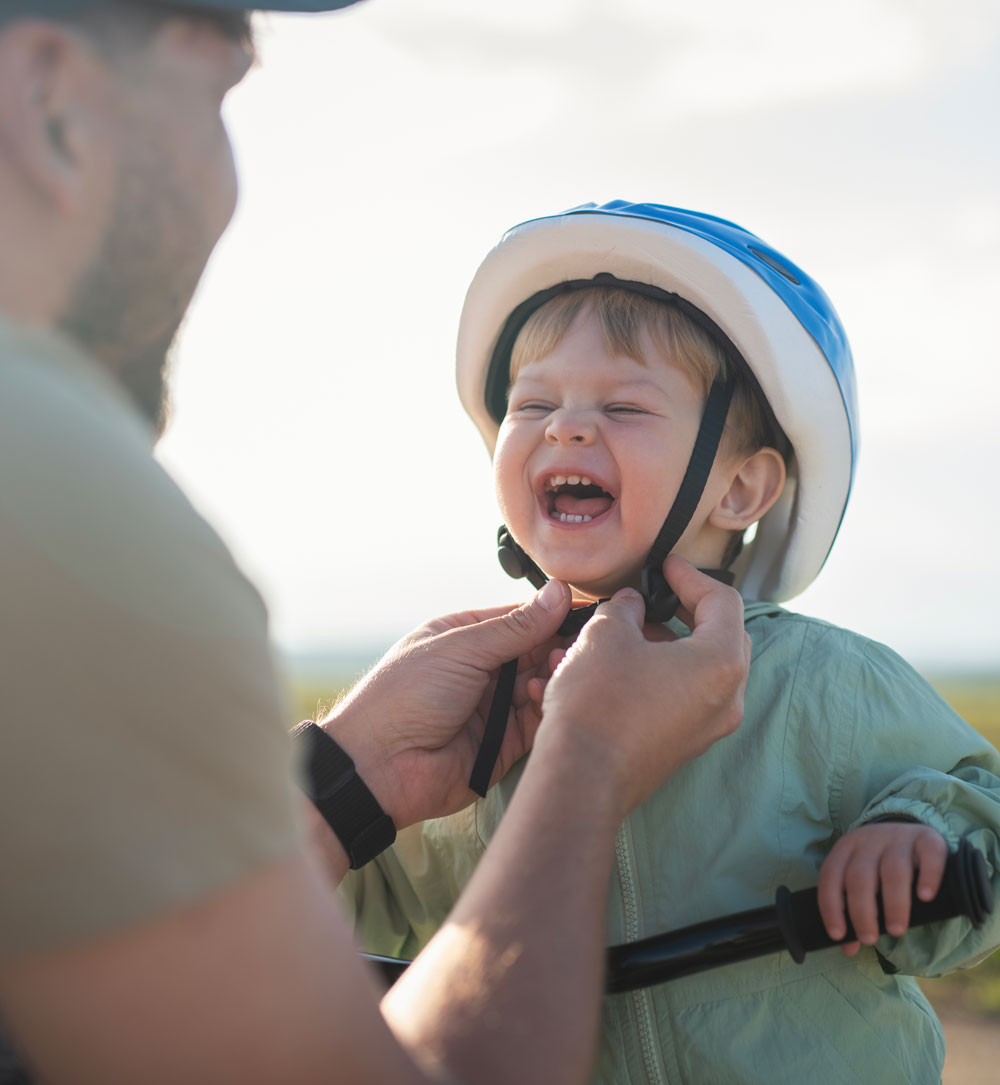
Child smiling while wearing a bike helmet

baby Why Child Safety Matters

Young children rely on adults to help keep them safe while they learn about the world around them. According to the Centers for Disease Control and Prevention (CDC), injuries are one of the leading causes of harm and death for children and teens. Many injuries happen at home, during play, or while riding in a vehicle.

This doesn’t mean you have to do everything perfectly.
Small changes around your home and daily routines can make a big difference.

Remember!

Baby Crib Create a Safe Sleep Space for Your Baby

Safe sleep practices help reduce the risk of sleep-related infant deaths. Keep your baby’s sleep area smoke-free and avoid letting them sleep on couches, chairs, or adult beds. Soft furniture, loose blankets, and pillows can increase the risk of suffocation.
Your baby sleeps safest:
  • On their back
  • In a crib or bassinet with a firm mattress
  • Without blankets, pillows, stuffed animals, or bumper pads

It’s also safest for your baby to sleep in the same room as you, but on a separate sleep surface just for them (their crib or bassinet). Room sharing can help keep your baby close while reducing the risk of sleep-related dangers linked to bedsharing.

Baby sleeping peacefully in crib wearing polka-dot onesie
For every nap and nighttime sleep, place your baby alone, on their back, in a safe sleep space.
Remember!
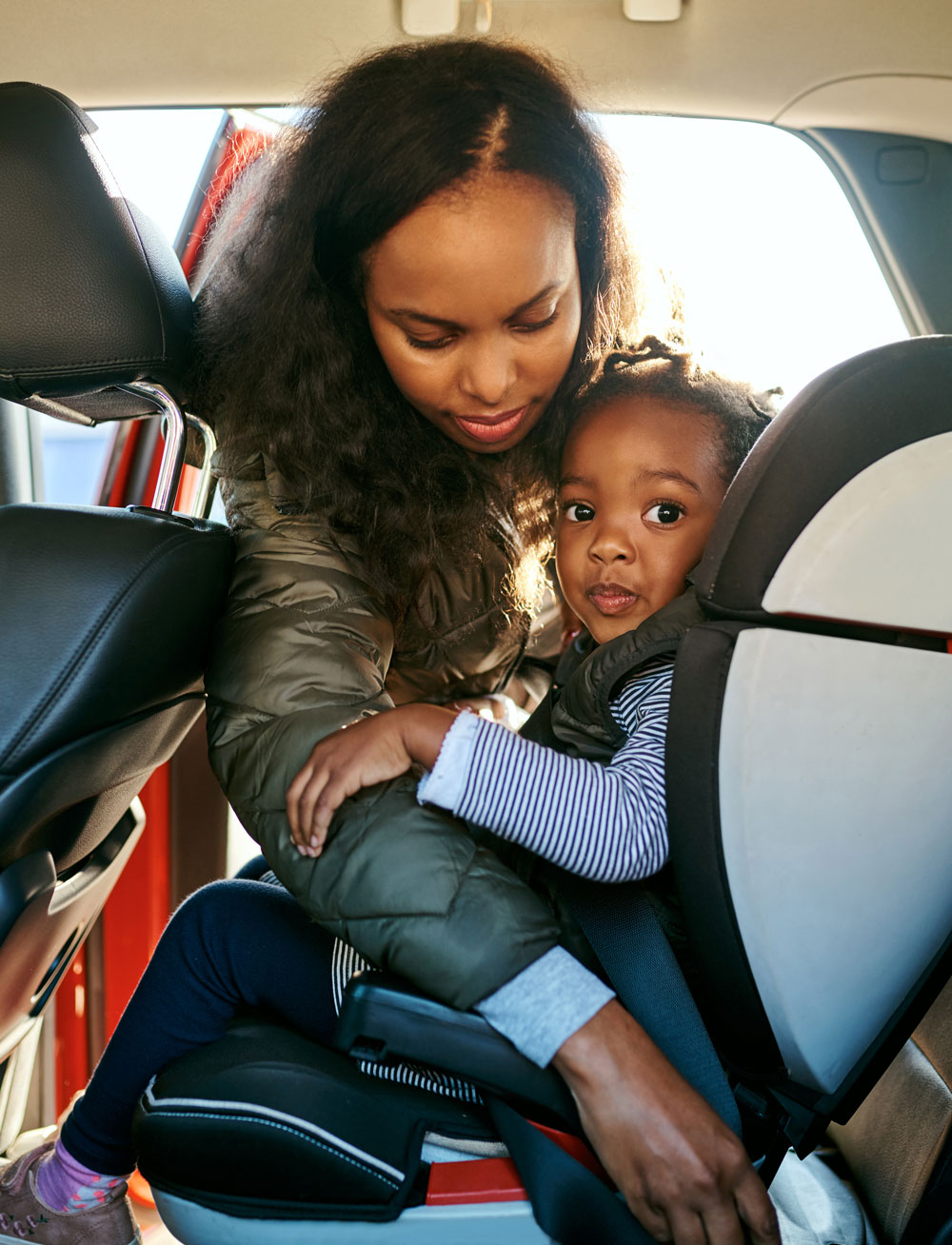
Mother securing child in car seat

 Car Safety Car Safety – Always!

One of the best ways to protect your child is by using the right car seat every time you travel. The CDC reports that proper car seat use greatly lowers the risk of injury in a crash.
Here are a few important reminders:
  • Use a car seat that matches your child’s age, height, and weight
  • Keep children in the back seat
  • Buckle children in on every ride – even short trips
  • Make sure car seats are installed correctly

If you’re unsure whether your car seat is installed correctly, many communities offer free car seat safety checks.

Safe Kids Worldwide can connect you to a child passenger safety (CPS) technician in your area who can check to make sure your car seat is installed correctly.

Find an inspection station near you
Did you know?

milk Watch Water Closely

Drowning is the single-leading cause of death among children ages 1-4 years. Children can drown quickly and quietly, even in small amounts of water. Constant supervision is one of the most important ways to prevent drowning.

Help keep your child safe around water by:
  • Staying within arm’s reach during bath time or swimming
  • Emptying buckets, kiddie pools, and tubs after use
  • Using life jackets near lakes or rivers and while swimming
  • Never relying only on floaties or inflatable toys for safety
  • Securely installing safety fencing around pools
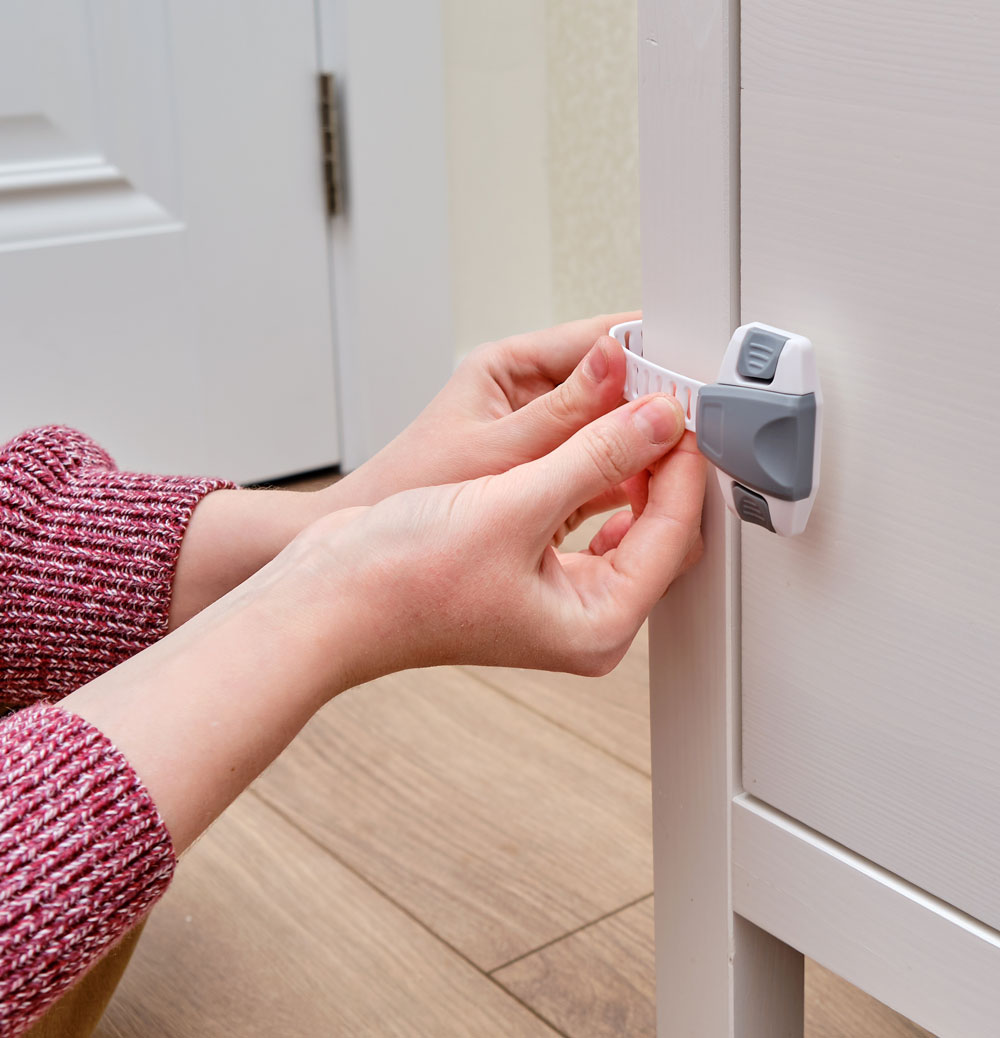
Hands securing a child safety lock on cabinet

lock baby Store Medicines and Cleaning Products Safely

Young children often explore by putting things in their mouths. Safely storing medications and other harmful products can help protect your child from accidental poisoning.

You can also help by:

  • Keeping medicines, vitamins, and cleaning supplies locked away
  • Storing products in their original containers
  • Keeping small batteries, magnets, and laundry pods up and out of reach
  • Saving the Poison Help number to your phone: 1-800-222-1222

two Matters Prevent Falls and Bumps at Home

Falls are common for young children, especially toddlers learning to walk and climb.

To help prevent serious injuries:
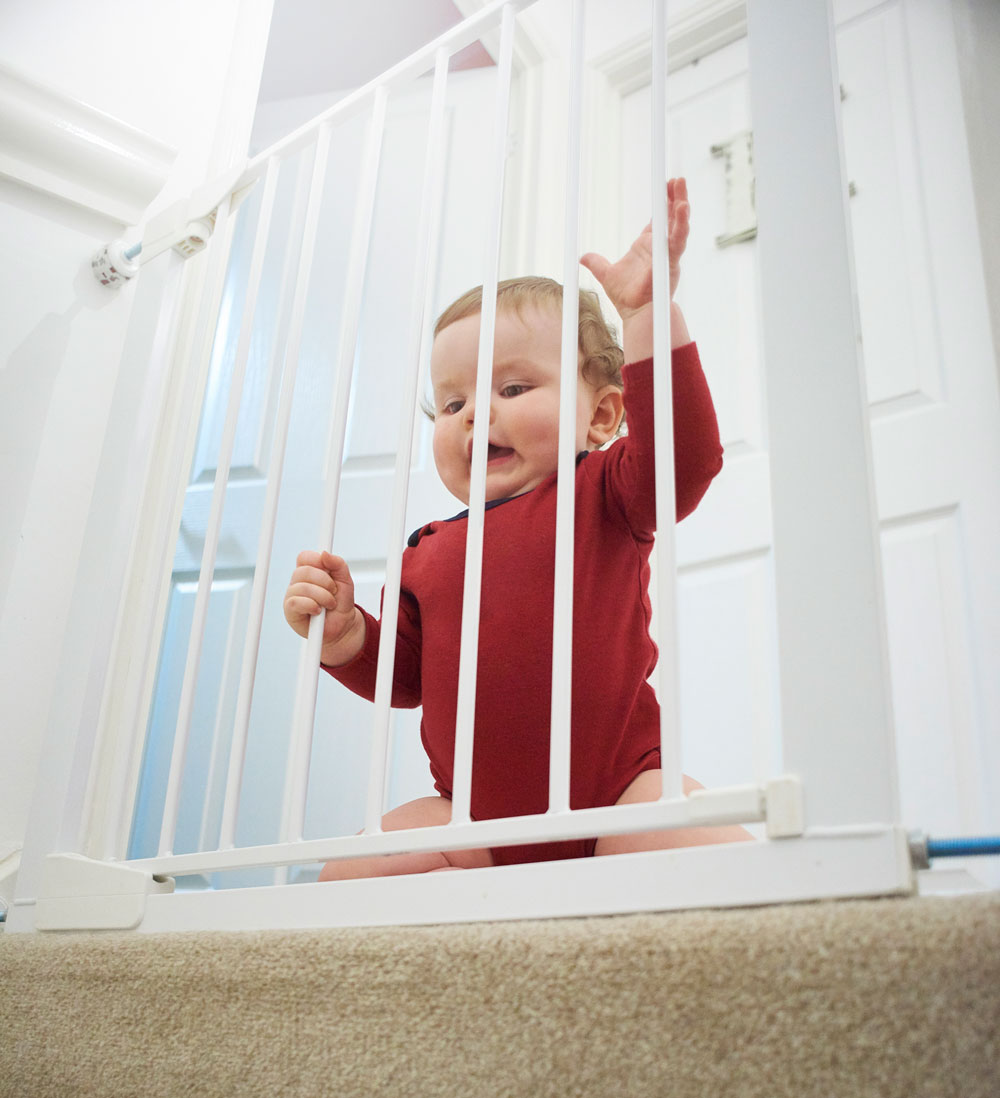
  • Use safety gates near stairs
  • Keep furniture away from windows
  • Secure heavy furniture and TVs to the wall
  • Never leave babies alone on beds, couches, or changing tables
  • Keep floors free of toys and clutter
Baby in red onesie behind white safety gate

healthy hand Teach Safety Little by Little

Even young children can begin learning simple safety habits. They learn best by watching you! Modeling safe behaviors helps your children build healthy habits over time.

Teach your child how and why it’s important to:

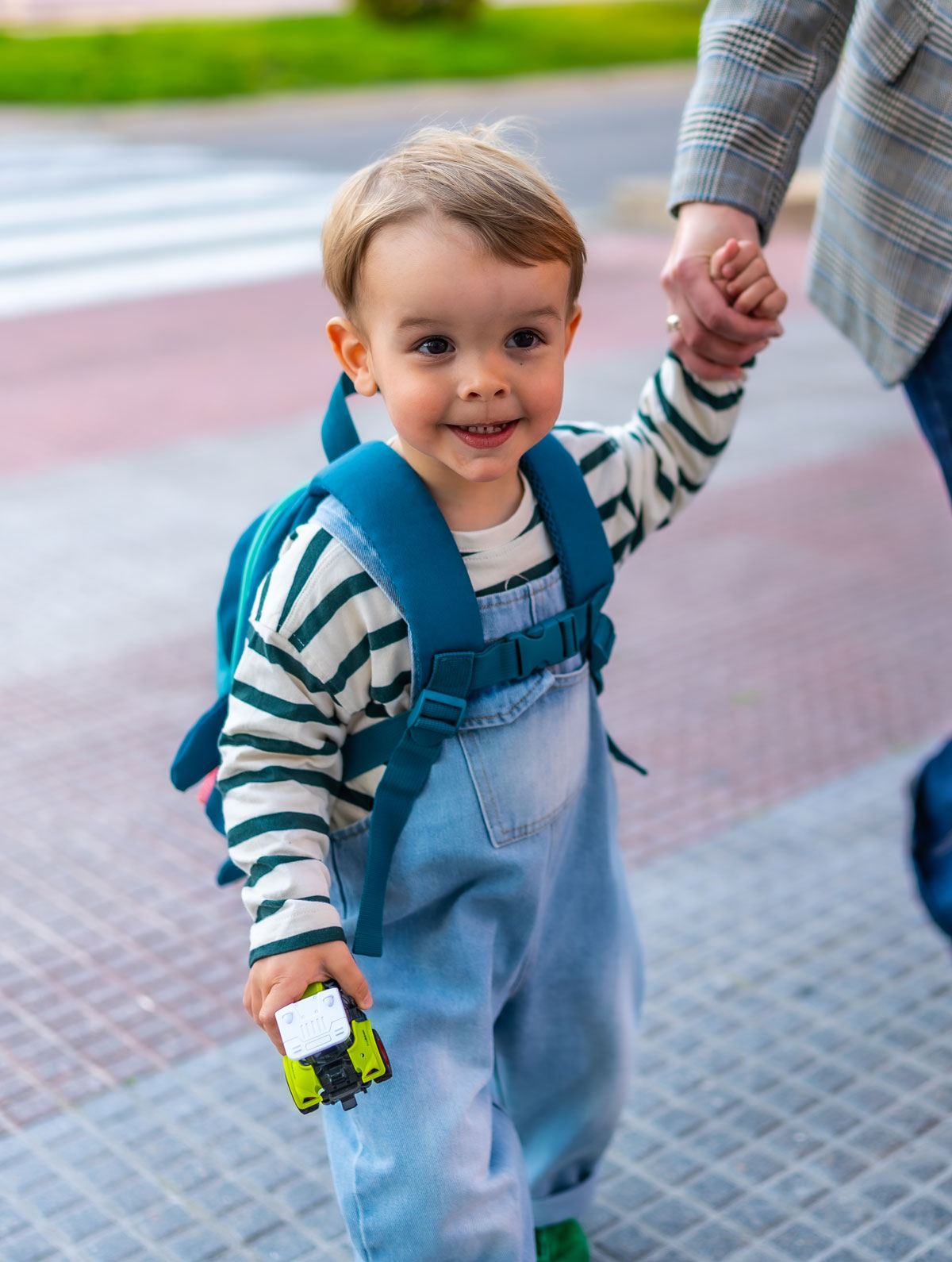
  • Hold an adult’s hand near roads or parking lots
  • Wear helmets when riding bikes or scooters
  • Ask an adult before touching something unfamiliar
  • Always wear a seatbelt, no matter who they are riding with or how far they are going
  • Pick up toys, shoes, bookbags, and other items to prevent tripping
Toddler holding parents hand walking outdoors smiling

Woman and child with health checkmark You’re Doing More Than You Think

No home is ever completely accident-proof, and no parent can prevent every scrape or fall. What matters most is creating a safe, loving environment where children can learn, grow, and explore. Taking a few small steps today can help protect your child tomorrow.

REFERENCES:

American Academy of Pediatrics. (2026). Healthy Children – Safety and Prevention.
https://www.healthychildren.org/english/safety-prevention/Pages/default.aspx

Centers for Disease Control and Prevention. (2026, April 23). Preventing Child Passenger Injury.
https://www.cdc.gov/child-passenger-safety/prevention/index.html

Centers for Disease Control and Prevention. (2026, May 8). Safety, Health, and Injury Prevention Recommendations.
https://www.cdc.gov/early-care/safety/index.html

Centers for Disease Control and Prevention. (2024, September 5). Young Children: Safety in the Home & Community.
https://www.cdc.gov/parents/children/safety-in-the-home-and-community.html

Author: Amanda Hojnacki

You May Also Like...

March 4, 2026

Shopping With Kids: A Simple Way to Help Them Like More Foods

A Simple Way to Help Kids Like More Foods Getting kids to try new foods can feel hard. One helpful place to start is the grocery store. When kids get…

Read More
2
October 15, 2025

Pumpkin Fun: Free and Healthy Activities for Kids Under 5

Play, Learn, and Grow with Pumpkins Pumpkins aren’t just for carving! They’re healthy, fun, and great for learning, too. Pumpkins are full of good stuff like vitamins A and C.…

Read More
1
August 27, 2025

Letting Your Child Play with Food Can Be a Good Thing

Letting Your Child Play with Food Can Be a Good Thing You may have heard (or even said yourself), “Don’t play with your food!” But what if playing with food…

Read More
3
WATCH VIDEOS
  • Infant
    • Infant Pacifiers: Benefits, Safety Tips, and When to Wean
    • When to Start Peanut and Egg to Help Prevent Allergies
    • The Basics of Paced Bottle-Feeding
    • How Do I Know If My Baby Could Be Tongue-Tied?
    • Protect Your Baby from Cronobacter
  • Children
    • Shopping With Kids: A Simple Way to Help Them Like More Foods
    • Pumpkin Fun: Free and Healthy Activities for Kids Under 5
    • Letting Your Child Play with Food Can Be a Good Thing
    • Is Snack Time Treat Time?
    • Fun Ways to Learn About Healthy Food and Get Moving!
  • General /Family
    • Meet the Milks: Dairy and Plant-Based Choices
    • Avoiding Food Waste
    • The 2025-2030 Dietary Guidelines for Americans – What Families Need to Know
    • Finding Calm When Life Gets Busy: Stress-Management for Parents
    • February Is National Heart Month: Simple Ways to Show Your Heart Some Love
  • Women
    • How Partners Can Support Breastfeeding
    • Common Breastfeeding Challenges and Simple Solutions for Parents
    • Paced Bottle-Feeding: How to Feed Your Baby the Right Way
    • Breastfeeding and Returning to Work: Tips for Pumping & Planning
    • Increasing Milk Supply: Myths vs. Facts About Breastfeeding
  • Recipes
    • Healthy Red, White, and Blue Snacks for Kids
    • Simple Meals with Canned Fish: Easy, Healthy & Budget-Friendly Ideas
    • Fresh & Easy Spring Snacks for Toddlers
    • Fresh & Easy Spring Veggie Pasta
    • Heart-Healthy Recipe: Banana Berry Oatmeal Cups
LiveWell WIC program logo

Contact Us

USDA is an equal opportunity provider, employer, and lender.

Cookie PolicyAbout UsPrivacy PolicyTerms of Agreement

© Brush Art Corporation

  • Email
  • SMS
If you are using multiple emails, separate them with commas.

    SMS Communication Consent

    Share

    Share this link via:

    Cartoon vegetables with leafy tops gather playfully together.

    Side-Lying Hold

    1. For the right breast, lie on your right side with your baby facing you.
    2. Pull your baby close. Your baby’s mouth should be level with your nipple.
    3. In this position, you can cradle your baby’s back with your left arm and support yourself with your right arm and/or pillows.
    4. Keep loose clothing and bedding away from your baby.
    5. Reverse for the left breast.

    This hold is useful when:

    • You had a C-section
    • You want to rest while baby feeds
    • You are breastfeeding in the middle of the night
    • You and your baby are comfortable in this position
    Yellow circle with abstract, jagged shapes and patterns.

    Cross-Cradle Hold

    1. For the right breast, use your left arm to hold your baby’s head at your right breast and baby’s body toward your left side. A pillow across your lap can help support your left arm.
    2. Gently place your left hand behind your baby’s ears and neck, with your thumb and index finger behind each ear and your palm between baby’s shoulder blades. Turn your baby’s body toward yours so your tummies are touching.
    3. Hold your breast as if you are squeezing a sandwich. To protect your back, avoid leaning down to your baby. Instead, bring your baby to you.
    4. As your baby’s mouth opens, push gently with your left palm on baby’s head to help them latch on. Make sure you keep your fingers out of the way.
    5. Reverse for the left breast.

    This hold is useful when:

    • Your baby is premature
    • Your baby has a weak suck
    • Your baby needs help to stay latched
    • Your baby needs extra head support
    • You and your baby are comfortable in this position
    Cat playing with butterfly in a garden.

    Clutch or “Football” Hold

    1. For the right breast, hold your baby level, facing up, at your right side.
    2. Put your baby’s head near your right nipple and support their back and legs under your right arm.
    3. Hold the base of your baby’s head with your right palm. A pillow underneath your right arm can help support your baby’s weight.
    4. To protect your back, avoid leaning down to your baby. Bring baby to you instead.
    5. Reverse for the left breast.

    This hold is useful when:

    • You had a C-section
    • You have large breasts
    • You have flat or inverted nipples
    • You have a strong milk let-down
    • You are breastfeeding twins
    • Your baby likes to feed in an upright position
    • Your baby has reflux
    • You and your baby are comfortable in this position
    Peach circle with abstract shapes radiating outward.

    Cradle Hold

    1. For the right breast, cradle your baby with your right arm. Your baby will be on their left side across your lap, facing you at nipple level.
    2. Your baby’s head will rest on your right forearm with your baby’s back along your inner arm and palm.
    3. Turn your baby’s tummy toward your tummy. Your left hand is free to support your breast, if needed. Pillows can help support your arm and elbow.
    4. To protect your back, avoid leaning down to your baby. Instead, bring your baby to you.
    5. Reverse for the left breast.

    This hold is useful when:

    • Your baby needs help latching on
    • You and your baby are comfortable in this position
    Smiling peach character waving cheerful hello.

    Laid-Back Hold

    1. Lean back on a pillow with your baby’s tummy touching yours and their head at breast level. Some moms find that sitting up nearly straight works well. Others prefer to lean back and lie almost flat.
    2. You can place your baby’s cheek near your breast, or you may want to use one hand to hold your breast near your baby. It’s up to you and what you think feels best.
    3. Your baby will naturally find your nipple, latch, and begin to suckle.

    This hold is useful when:

    • Your baby is placed on your chest right after birth
    • You have a strong milk let-down
    • You have large breasts
    • You and your baby are comfortable in this position