

Skip to Content Skip to Footer
LiveWell WIC logo
Livewell Wic
  • Home
  • Ellyn Satter
    • Ellyn Satter
      Prenatal / Postpartum
    • Ellyn Satter
      Newborn / Infant
    • Ellyn Satter
      Older Baby / Almost Toddler
    • Ellyn Satter
      Toddler / Preschooler
  • Breastfeeding
  • Eat·Grow·Live Healthy
    • Eat·Grow·Live Healthy
      Women
    • Eat·Grow·Live Healthy
      Infants
    • Eat·Grow·Live Healthy
      Children
    • Eat·Grow·Live Healthy
      Fathers
  • Live Well Blog
  • Español
enjoy-avocados-banner-img

10 Ways to Enjoy Avocados – And Helpful Tips to Feed with Confidence

  • Home
  • Live Well Blog
  • 10 Ways to Enjoy Avocados – And Helpful Tips to Feed with Confidence
January 28, 2026 General /Family

enjoy-avacado-img

Ways to Enjoy Avocados 10 Ways to Enjoy Avocados – And Helpful Tips to Feed with Confidence

Ahh, the amazing avocado. So many varieties to enjoy, and so many ways to enjoy them! Avocados can vary in shape, size, color, and taste. Hass avocados are the most common type found in grocery stores, but there are thousands of varieties worldwide! Avocados are often available year-round, but January, February, and March are the best months of the year for flavor. During these months, the fruit develops higher oil content, resulting in a buttery flavor and texture.

 avocados for wellness! Choose avocados for wellness!

While it may look like a simple fruit, avocados offer big nutrition for you and your family.

Avocados:
avicados-support-heart

Support heart health by lowering bad cholesterol (LDL) and raising good cholesterol (HDL).

Offer a good source of fiber, which supports healthy digestion.

Are full of helpful nutrients like potassium, which helps regulate blood pressure.

Provide healthy (good) fats that help your body absorb fat-soluble vitamins (A, D, E, and K) from other foods you eat.

avicados-delicious-crean

Are deliciously creamy and easy to eat – great for little hands and mouths.

Shopping-and-Storing-Tips
shopping & storing tips!Shopping & Storing Tips
How to select and store avocados for maximum freshness and flavor:
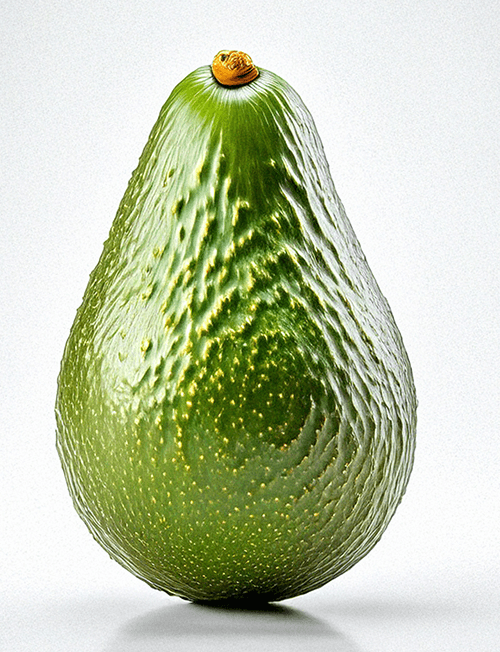
  • ✓ If you’re looking to use the avocado within a day or two, look for an avocado skin that is dark green or even a little purplish green. Choose brighter green avocados if you don’t plan to use them right away.
  • ✓ If the avocado skin is slightly soft or the skin gives a little when you press on it gently, it’s ripe. If it’s too firm (hard), let it sit on the counter for a day or two before enjoying. Once it’s ripe, you can refrigerate it to slow down the ripening so it doesn’t go bad as fast.
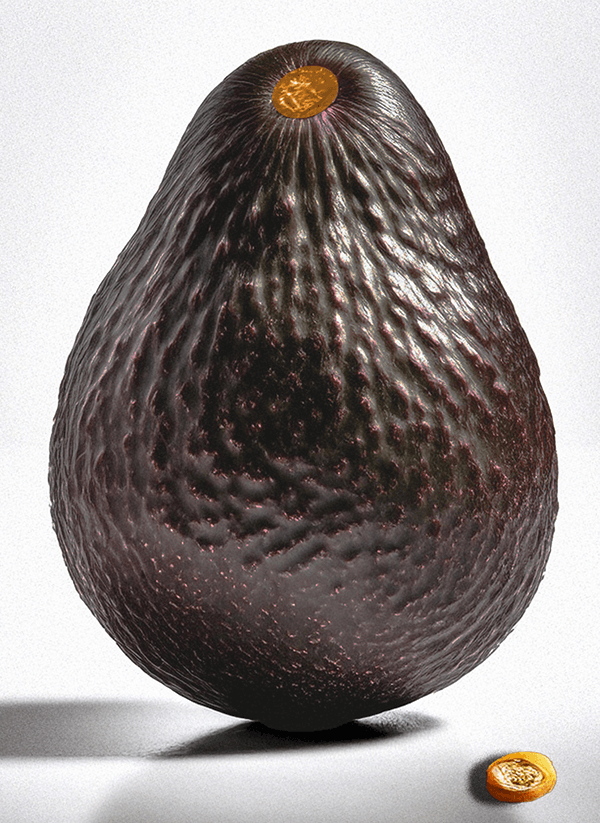
  • ✓ You can also check the stem to see if an avocado is ripe:
Underripe-avocado

Underripe

If it’s difficult to remove the stem, the avocado still needs more time to ripen.
Perfect-Underripe-avocado

Perfect

If the stem comes out easily and is green or golden underneath, the avocado is good and ripe.

Overripe-Underripe-avocado

Overripe

If the avocado is dark brown or black under the stem, it’s overripe (don’t eat).

  • ✓ If you cut an avocado and don’t use all of it, leave the seed/pit in the unused half, cover tightly with plastic wrap or in a sealed storage container, and place it in the fridge for later. Keeping the seed in helps reduce browning. Use leftover avocado within 1-2 days.
Ways To Enjoy Avocado Top 10 Ways To Enjoy Avocado

1.

As Baby’s First Food
Mashed avocado is soft, gentle on tiny tummies, and full of healthy fats that support your baby’s growing brain. It makes an easy first food for babies starting solids.
2.

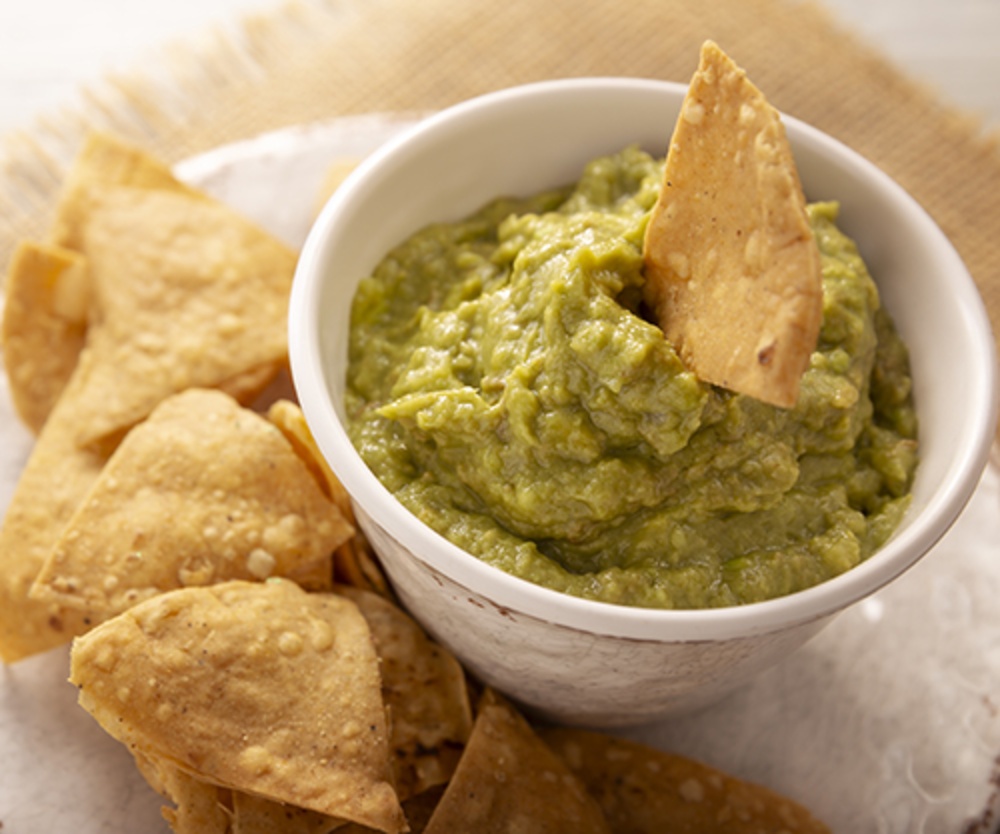
As a Dip
Mash an avocado and mix in a few diced onions and tomatoes to make a quick guacamole-style dip. Serve with tortilla chips or veggie sticks for a fast, tasty snack.
3.

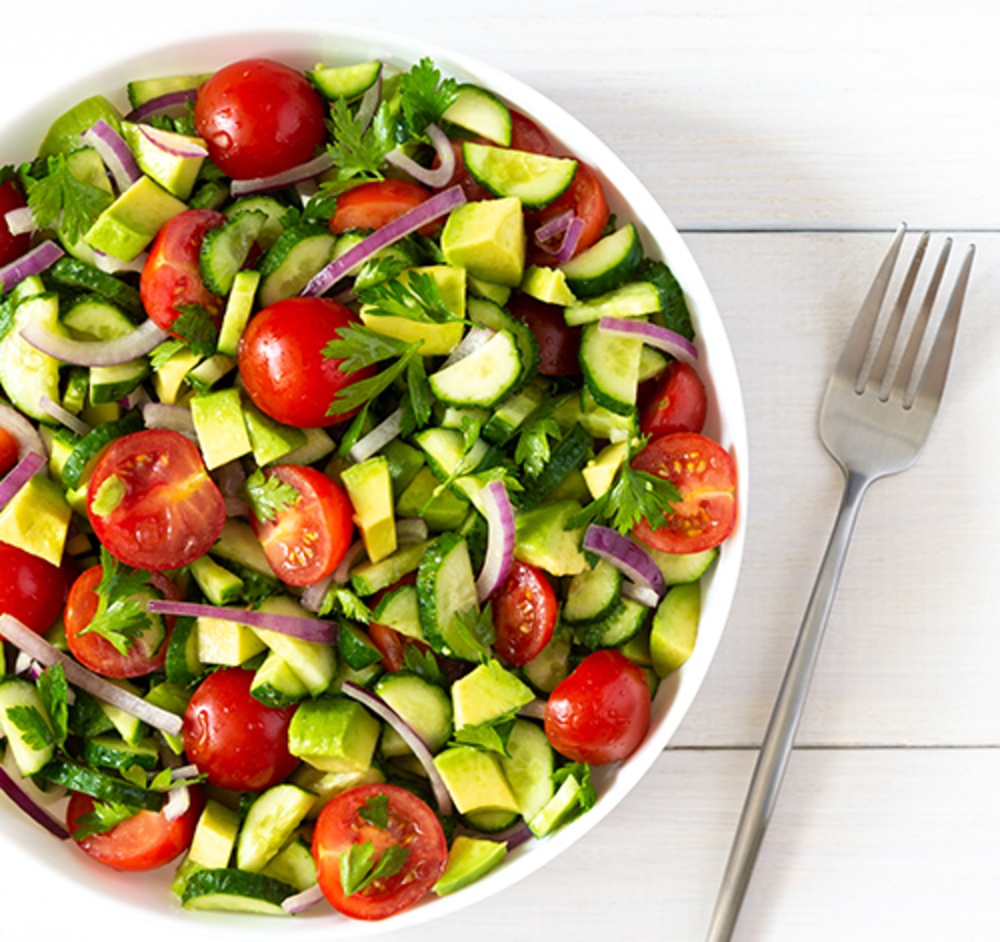
Mixed in Salads
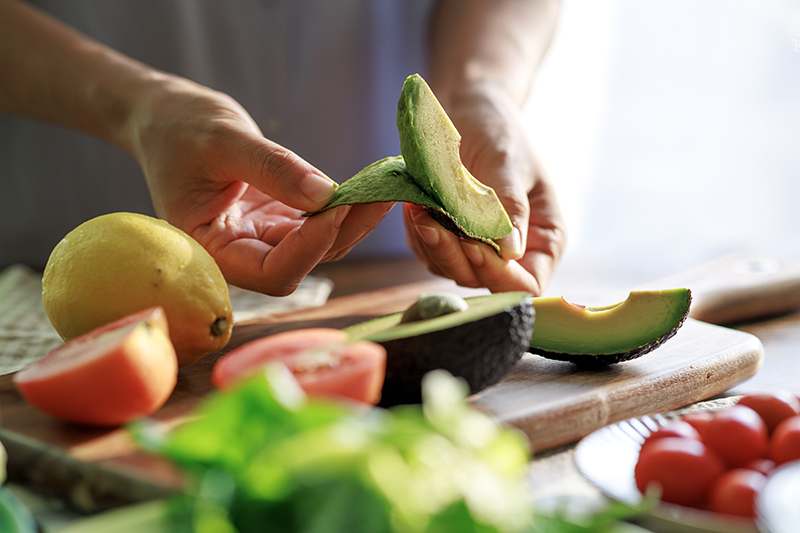
Avocado makes a tasty, healthy, and filling addition to salads. Just slice, dice, and toss! It makes meals more filling, adds creamy texture, and boosts nutrition with healthy fats and fiber.
four-way-enjoy-avocado
4.

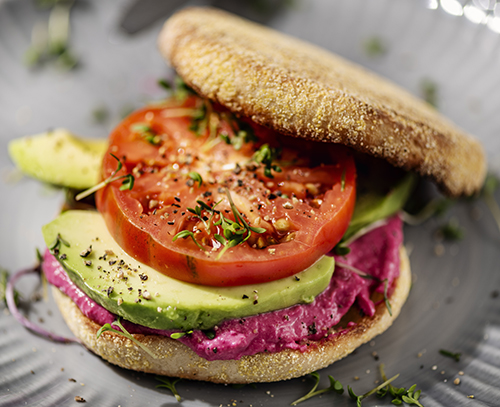
On Sandwiches, Burgers, & Wraps
Don’t stop with just lettuce and tomato… add a few slices of avocado to your sandwich, burger, or wrap for added flavor, texture, and nutritional benefits. It’s a creamy swap for mayonnaise, butter, sour cream, or cream cheese – but with more nutrients and healthy fats.
fifth-way-enjoy-avocado
5.

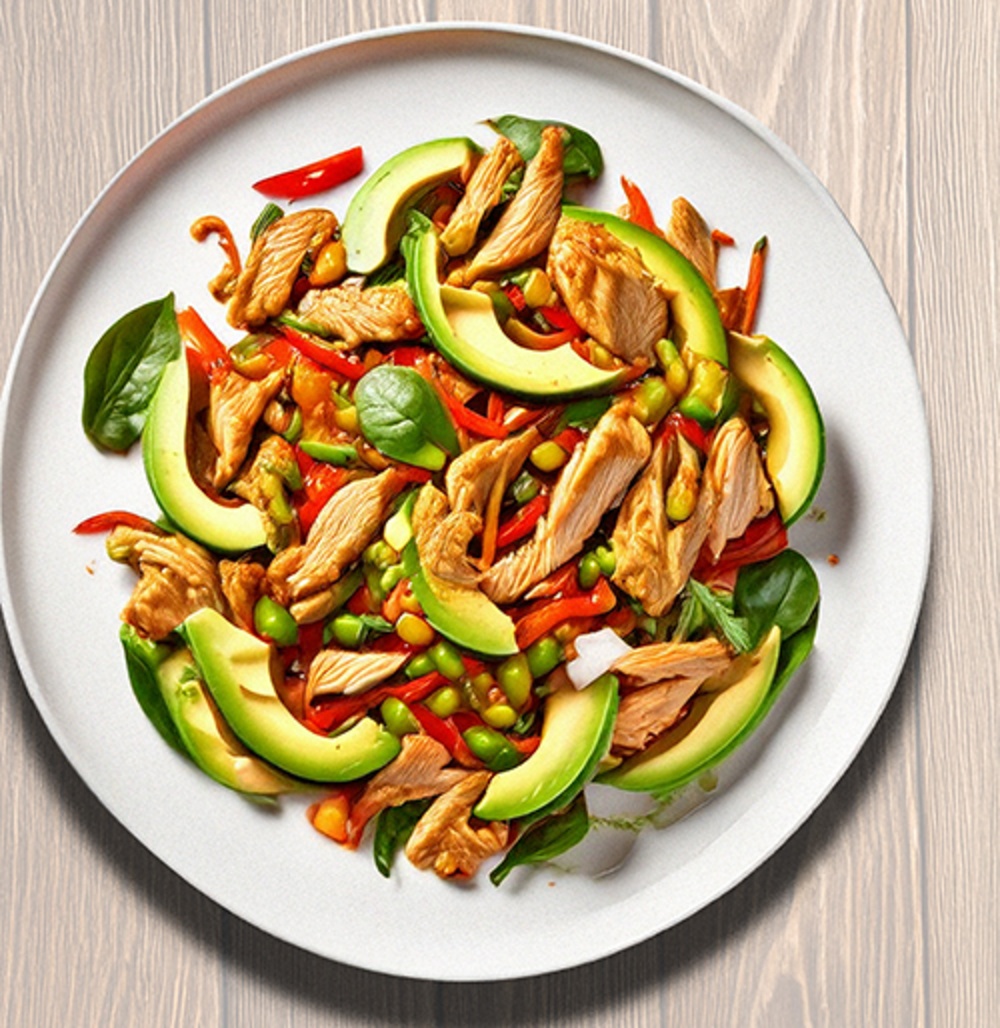
Added to Stir-Fry
Enjoy avocado as part of your favorite stir-fry dish. Slice or cube avocado and stir it in at the very end of cooking. It adds creaminess, healthy fats, and a mild flavor that blends well with veggies, chicken, or tofu.

6.

With a Spoon
Cut an avocado in half, remove the pit, and enjoy it straight from the skin. Add a few drops of low-sodium soy sauce, salsa, or lemon juice for extra flavor.
severn-way-enjoy-avocado
7.

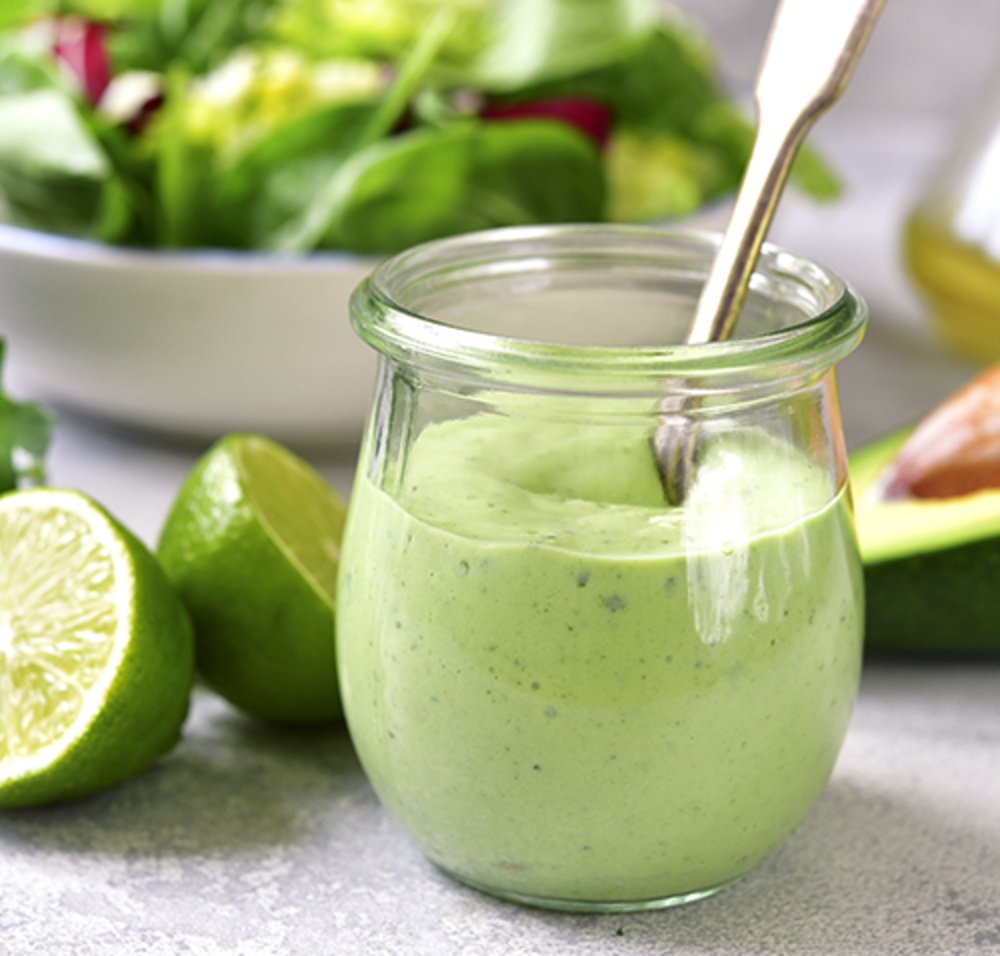
As a Sauce
Blend avocado with a little lime or lemon juice to make a smooth, creamy sauce for fish or seafood. It adds richness without heavy cream.
eight-way-enjoy-avocado
8.

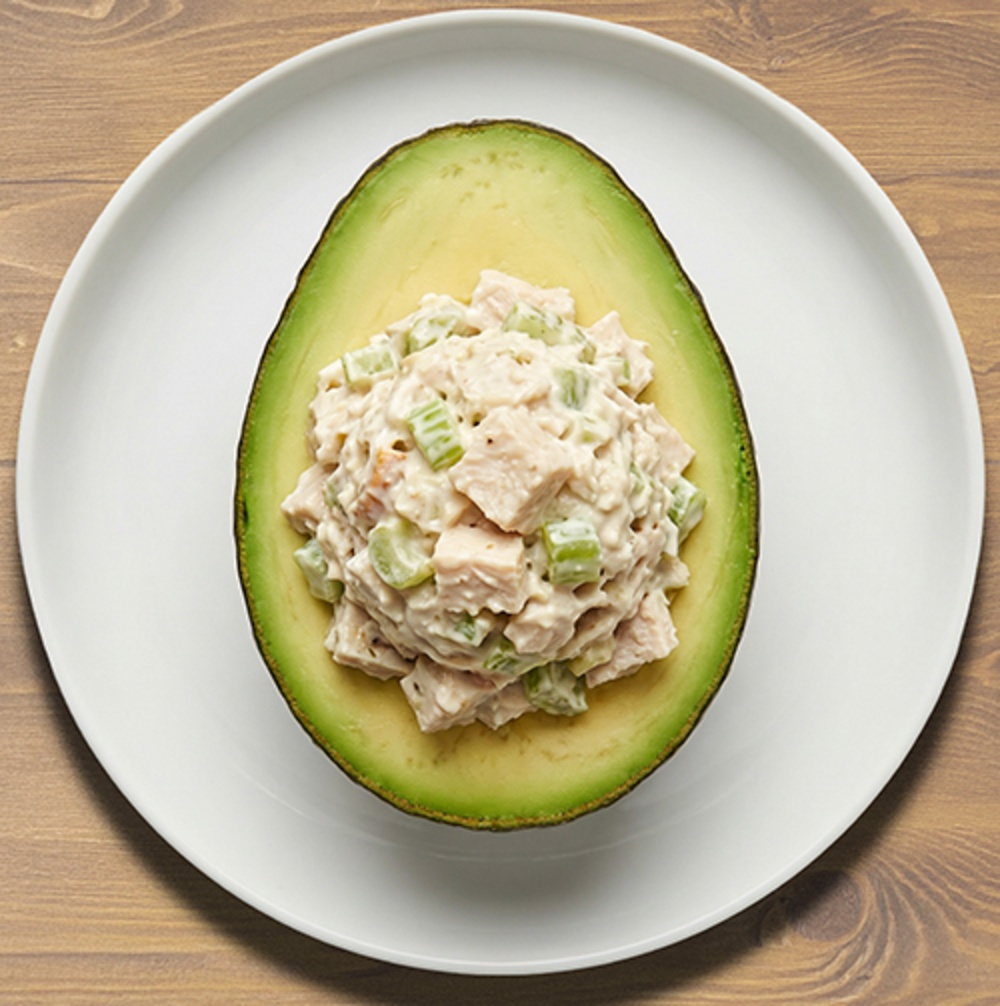
With Chicken, Tuna, or Ham Salad
Scoop chicken, tuna, or ham salad into half an avocado for a simple, protein-packed meal. It’s an easy lunch that feels fresh and filling.

nine-way-enjoy-avocado
9.

With Eggs
Avocado pairs perfectly with eggs. Add it to omelets, scrambled eggs, breakfast tacos, or even mix it into the yolk filling for deviled eggs.

10.

For a DIY Spa Day Mask
Mash an avocado with ½ cup non-instant oatmeal and 1 tablespoon honey. Spread on your face, relax for 15 minutes, and rinse. It’s a fun, nourishing at-home treat. Ahhh-vocado!


REFERENCES:

California Avocado Commission. (2025). Avocado nutrition facts.
https://californiaavocado.com/nutrition/avocado-nutrition-facts/

Harvard T.H. Chan School of Public Health. The Nutrition Source. (2022, April). Avocados.
https://www.hsph.harvard.edu/nutritionsource/food-features/avocados/

Healthline. (2024, June 24). 7 potential health benefits of avocado.
https://www.healthline.com/nutrition/avocado-nutrition

Live Well – WIC Resources. (2025). Avocado.
https://livewell.wicresources.org/using-wic-foods/fruits/avocado/

Research Gate. (2016, May). The role of avocados in complementary and transitional feeding.
https://www.researchgate.net/publication/303502105_The_Role_of_Avocados_in_Complementary_and_Transitional_Feeding

Author: Amanda Hojnacki

You May Also Like...

March 18, 2026

The 2025-2030 Dietary Guidelines for Americans – What Families Need to Know

The 2025-2030 Dietary Guidelines for AmericansEvery five years, nutrition experts update the Dietary Guidelines for Americans to share the best advice on healthy eating. The 2025–2030 Dietary Guidelines help families…

Read More
1
February 11, 2026

Finding Calm When Life Gets Busy: Stress-Management for Parents

Finding Calm When Life Gets Busy Parenting is full of love, joy, and often times, stress. Between caring for little ones, managing meals, grocery shopping, budgets, jobs, and everything else,…

Read More
2
February 4, 2026

February Is National Heart Month: Simple Ways to Show Your Heart Some Love

Simple Ways to Show Your Heart Some Love Your heart works hard for you every single day.February is National Heart Month – a great time to learn small, simple ways…

Read More
2
  • Infant
    • When to Start Peanut and Egg to Help Prevent Allergies
    • The Basics of Paced Bottle-Feeding
    • How Do I Know If My Baby Could Be Tongue-Tied?
    • Protect Your Baby from Cronobacter
    • Exploring the World with Baby – Sensory Play
  • Children
    • Shopping With Kids: A Simple Way to Help Them Like More Foods
    • Pumpkin Fun: Free and Healthy Activities for Kids Under 5
    • Letting Your Child Play with Food Can Be a Good Thing
    • Is Snack Time Treat Time?
    • Fun Ways to Learn About Healthy Food and Get Moving!
  • General /Family
    • The 2025-2030 Dietary Guidelines for Americans – What Families Need to Know
    • Finding Calm When Life Gets Busy: Stress-Management for Parents
    • February Is National Heart Month: Simple Ways to Show Your Heart Some Love
    • Food, Feelings, and Finding Balance: Understanding Disordered Eating
    • Liquid Calories – Time to Rethink Your Drink?
  • Women
    • Newborn Hunger Cues: How to Know When Your Baby Is Hungry or Full
    • How to Know Your Baby Is Getting Enough Breastmilk
    • Breastfeeding Through Growth Spurts and Sleep Changes
    • Baby Blues… or Is It Something More?
    • Gut Health and Gestational Diabetes
  • Recipes
    • Heart-Healthy Recipe: Banana Berry Oatmeal Cups
    • Is the Chia Seed Challenge Worth It?
    • Extra Vegetables Quiche
    • Easy Pumpkin Muffins
    • Confetti Bean Salad
LiveWell WIC program logo

    Contact Us

USDA is an equal opportunity provider, employer, and lender.

Cookie PolicyAbout UsPrivacy PolicyTerms of Agreement

© Brush Art Corporation

  • Email
  • SMS
If you are using multiple emails, separate them with commas.

    SMS Communication Consent

    Share

    Share this link via:

    Side Lying Hold

    Side-Lying Hold

    1. For the right breast, lie on your right side with your baby facing you.
    2. Pull your baby close. Your baby’s mouth should be level with your nipple.
    3. In this position, you can cradle your baby’s back with your left arm and support yourself with your right arm and/or pillows.
    4. Keep loose clothing and bedding away from your baby.
    5. Reverse for the left breast.

    This hold is useful when:

    • You had a C-section
    • You want to rest while baby feeds
    • You are breastfeeding in the middle of the night
    • You and your baby are comfortable in this position
    Wooden carved fork resting on the edge

    Cross-Cradle Hold

    1. For the right breast, use your left arm to hold your baby’s head at your right breast and baby’s body toward your left side. A pillow across your lap can help support your left arm.
    2. Gently place your left hand behind your baby’s ears and neck, with your thumb and index finger behind each ear and your palm between baby’s shoulder blades. Turn your baby’s body toward yours so your tummies are touching.
    3. Hold your breast as if you are squeezing a sandwich. To protect your back, avoid leaning down to your baby. Instead, bring your baby to you.
    4. As your baby’s mouth opens, push gently with your left palm on baby’s head to help them latch on. Make sure you keep your fingers out of the way.
    5. Reverse for the left breast.

    This hold is useful when:

    • Your baby is premature
    • Your baby has a weak suck
    • Your baby needs help to stay latched
    • Your baby needs extra head support
    • You and your baby are comfortable in this position
    Woman with shopping bag

    Clutch or “Football” Hold

    1. For the right breast, hold your baby level, facing up, at your right side.
    2. Put your baby’s head near your right nipple and support their back and legs under your right arm.
    3. Hold the base of your baby’s head with your right palm. A pillow underneath your right arm can help support your baby’s weight.
    4. To protect your back, avoid leaning down to your baby. Bring baby to you instead.
    5. Reverse for the left breast.

    This hold is useful when:

    • You had a C-section
    • You have large breasts
    • You have flat or inverted nipples
    • You have a strong milk let-down
    • You are breastfeeding twins
    • Your baby likes to feed in an upright position
    • Your baby has reflux
    • You and your baby are comfortable in this position
    Cartoon-style abstract bird silhouette

    Cradle Hold

    1. For the right breast, cradle your baby with your right arm. Your baby will be on their left side across your lap, facing you at nipple level.
    2. Your baby’s head will rest on your right forearm with your baby’s back along your inner arm and palm.
    3. Turn your baby’s tummy toward your tummy. Your left hand is free to support your breast, if needed. Pillows can help support your arm and elbow.
    4. To protect your back, avoid leaning down to your baby. Instead, bring your baby to you.
    5. Reverse for the left breast.

    This hold is useful when:

    • Your baby needs help latching on
    • You and your baby are comfortable in this position
    Abstract geometric shapes in pastel

    Laid-Back Hold

    1. Lean back on a pillow with your baby’s tummy touching yours and their head at breast level. Some moms find that sitting up nearly straight works well. Others prefer to lean back and lie almost flat.
    2. You can place your baby’s cheek near your breast, or you may want to use one hand to hold your breast near your baby. It’s up to you and what you think feels best.
    3. Your baby will naturally find your nipple, latch, and begin to suckle.

    This hold is useful when:

    • Your baby is placed on your chest right after birth
    • You have a strong milk let-down
    • You have large breasts
    • You and your baby are comfortable in this position