Skip to Content Skip to Footer
LiveWell WIC logo
Livewell Wic
  • Home
  • Ellyn Satter
    • Ellyn Satter
      Prenatal / Postpartum
    • Ellyn Satter
      Newborn / Infant
    • Ellyn Satter
      Older Baby / Almost Toddler
    • Ellyn Satter
      Toddler / Preschooler
  • Breastfeeding
  • Eat·Grow·Live Healthy
    • Eat·Grow·Live Healthy
      Women
    • Eat·Grow·Live Healthy
      Infants
    • Eat·Grow·Live Healthy
      Children
    • Eat·Grow·Live Healthy
      Fathers
  • Live Well Blog
  • Español
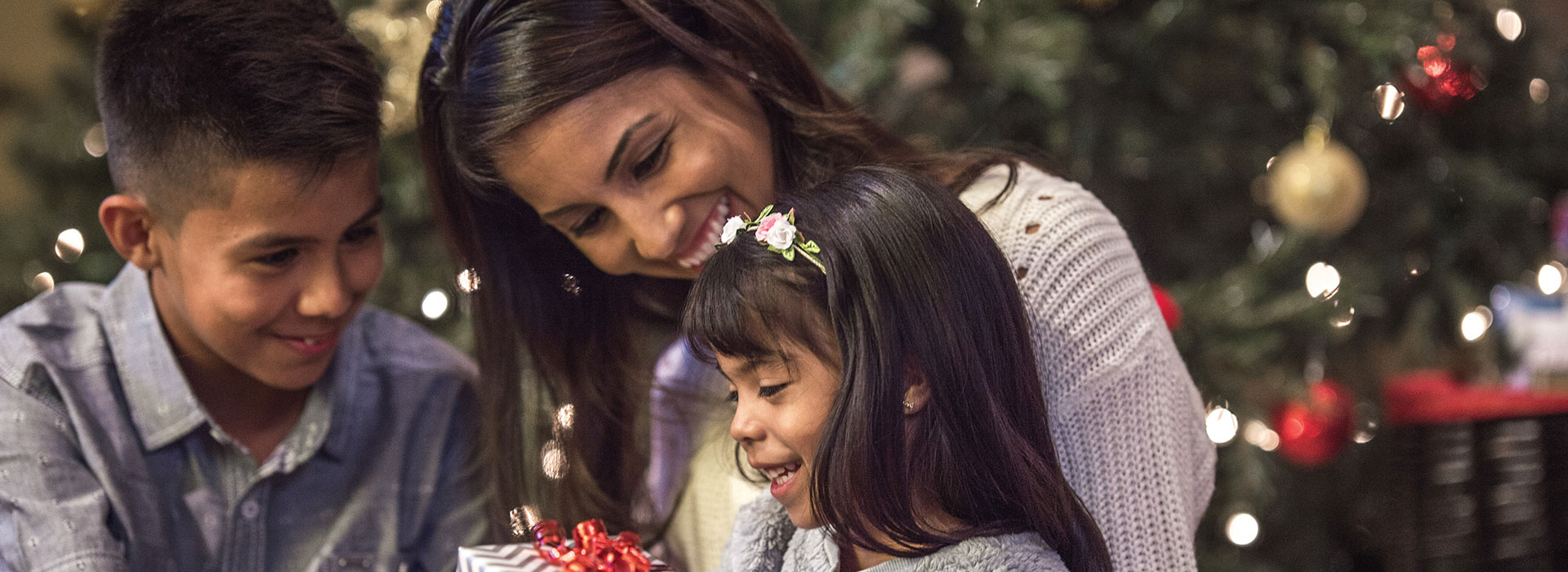
Family exchanging gifts by the Christmas tree

Holiday Health and Safety Tips

  • Home
  • Live Well Blog
  • Holiday Health and Safety Tips
November 13, 2024 General /Family

The holidays are a special time for gathering with loved ones, but it’s also a time when accidents and illnesses can happen.

Here are some important tips to keep in mind for a safe and enjoyable holiday season.

Abstract shape resembling a stylized owl in blue tones
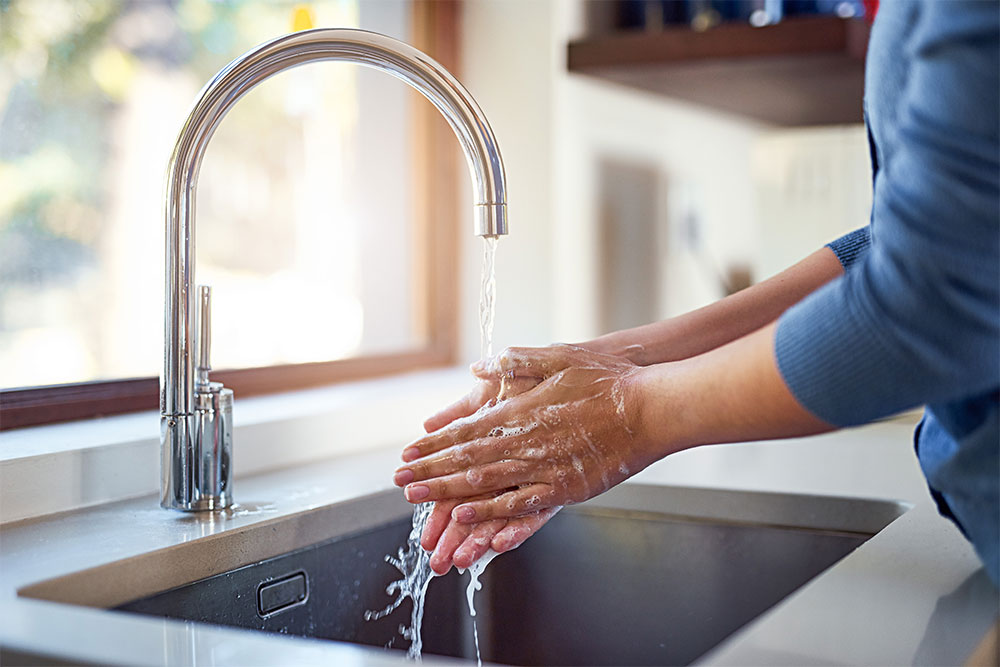
Hands washing under running kitchen faucet
White brushstroke on dark blue circle background

Stay Healthy:

Make sure everyone is feeling well and up-to-date on vaccines. If you’re feeling sick, stay home – you’ll be doing yourself and everyone else a favor! Wash your hands often or use hand sanitizer when soap and water aren’t available.
Number two in white on dark circle

Home Safety:

Whether you’re at your own home or visiting others, set clear rules for safety. Keep an eye on kids, especially when they’re exploring new places. Watch out for hazards like cords, decorations, or candles that could be dangerous for children or pets. Keep dangerous plants away from children (like mistletoe, holly, and poinsettia plants), and keep small button batteries and magnets out of reach.
Baby reaching towards induction stove with curiosity
Building silhouette with detailed architectural elements
Watch out for hazards like cords, decorations, or candles that could be dangerous for children or pets.
Four blue gears interlocking, forming a vertical sequence
Child decorating Christmas tree on adults shoulders, smiling
Number three inside blue circle

Choking Hazards:

Be aware of small objects like ornaments, candy, or toys that could be choking hazards for kids. Remind everyone they need to be seated when eating and drinking.
Child feeding a dog with a woman smiling nearby
Number four in white on blue circle

Pets and Kids:

Not all pets are comfortable around children, and not all kids know how to be gentle with pets. Keep an eye on them when they’re together, even if it’s your own pet.
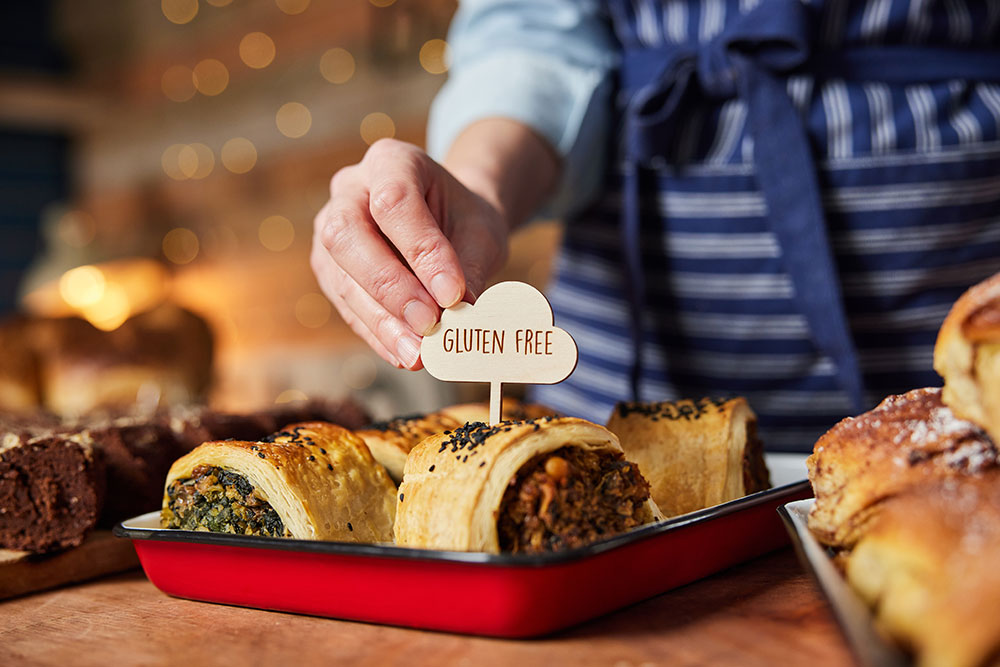
Hand placing gluten-free label on baked goods
Number five in a dark blue circle

Travel Safety:

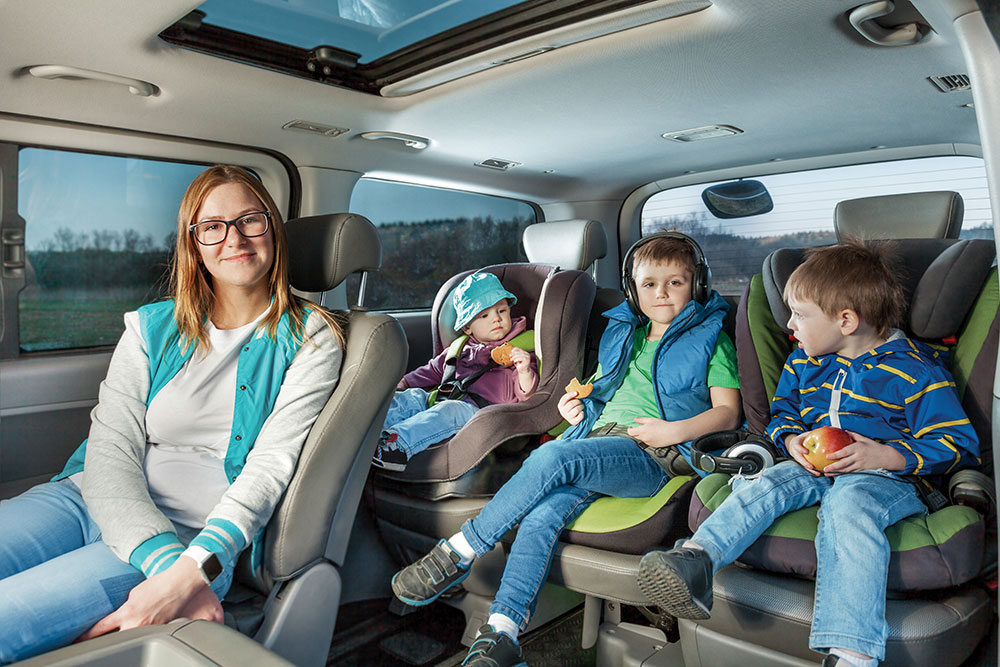
Plan ahead, check the weather, and leave extra space between your car and others. If the roads are bad, plan a safe way to get home. Make sure everyone in the car is buckled up properly before the car moves.
Woman with children in car enjoying snacks
Number six in white on dark circle background

Food Safety:

When preparing food, wash your hands often, keep sharp objects away from kids, and avoid cross-contamination. Always stand by the pan and watch what you’re cooking, and turn pot handles away from you. If someone has a food allergy, let the host know and bring a safe food option.
Logo depicts stylized heart intertwining with a circle

Remember to stay patient and expect a few hiccups during the holidays. Most importantly, enjoy your time with family and friends safely!

Logo depicts stylized heart intertwining with a circle

You May Also Like...

July 22, 2026

The Benefits of Family Meals for Kids and Parents

The Benefits of Eating Meals Together as a Family Think about your family meals for a moment. How often does your family sit down and eat together? Is the TV…

Read More
3
May 20, 2026

Meet the Milks: Dairy and Plant-Based Choices

Meet the Milks Thirty years ago, for many of us, milk meant whole milk, 2%, 1%, or skim. And it just came from cows. Today, milk can mean so much…

Read More
3
April 8, 2026

Avoiding Food Waste

Simple Tips to Reduce Food Waste and Stretch Your WIC Benefits Ana was tired of throwing food away. She felt like her money was literally going in the trash. She…

Read More
1
WATCH VIDEOS
  • Infant
    • Infant Pacifiers: Benefits, Safety Tips, and When to Wean
    • When to Start Peanut and Egg to Help Prevent Allergies
    • The Basics of Paced Bottle-Feeding
    • How Do I Know If My Baby Could Be Tongue-Tied?
    • Protect Your Baby from Cronobacter
  • Children
    • Food, Feelings, and Your Child’s Health | How Nutrition Affects Mood
    • Simple Child Safety Tips Every Parent Should Know
    • Shopping With Kids: A Simple Way to Help Them Like More Foods
    • Pumpkin Fun: Free and Healthy Activities for Kids Under 5
    • Letting Your Child Play with Food Can Be a Good Thing
  • General /Family
    • The Benefits of Family Meals for Kids and Parents
    • Meet the Milks: Dairy and Plant-Based Choices
    • Avoiding Food Waste
    • The 2025-2030 Dietary Guidelines for Americans – What Families Need to Know
    • Finding Calm When Life Gets Busy: Stress-Management for Parents
  • Women
    • Breastfeeding Nipple Pain: What’s Normal and When to Get Help
    • Cluster Feeding Explained | WIC Breastfeeding Support
    • Breastfeeding Support Available Through WIC | Pumps, Peer Counselors & More
    • How Partners Can Support Breastfeeding
    • Common Breastfeeding Challenges and Simple Solutions for Parents
  • Recipes
    • Rainbow Fruit Salsa with Cinnamon Chips | Healthy Family Snack Recipe
    • Healthy Red, White, and Blue Snacks for Kids
    • Simple Meals with Canned Fish: Easy, Healthy & Budget-Friendly Ideas
    • Fresh & Easy Spring Snacks for Toddlers
    • Fresh & Easy Spring Veggie Pasta
LiveWell WIC program logo

Contact Us

USDA is an equal opportunity provider, employer, and lender.

Cookie PolicyAbout UsPrivacy PolicyTerms of Agreement

© Brush Art Corporation

Share to Social

Share this link via

Share

  • Email
  • SMS
If you are using multiple emails, separate them with commas.

    Cartoon vegetables with leafy tops gather playfully together.

    Side-Lying Hold

    1. For the right breast, lie on your right side with your baby facing you.
    2. Pull your baby close. Your baby’s mouth should be level with your nipple.
    3. In this position, you can cradle your baby’s back with your left arm and support yourself with your right arm and/or pillows.
    4. Keep loose clothing and bedding away from your baby.
    5. Reverse for the left breast.

    This hold is useful when:

    • You had a C-section
    • You want to rest while baby feeds
    • You are breastfeeding in the middle of the night
    • You and your baby are comfortable in this position
    Yellow circle with abstract, jagged shapes and patterns.

    Cross-Cradle Hold

    1. For the right breast, use your left arm to hold your baby’s head at your right breast and baby’s body toward your left side. A pillow across your lap can help support your left arm.
    2. Gently place your left hand behind your baby’s ears and neck, with your thumb and index finger behind each ear and your palm between baby’s shoulder blades. Turn your baby’s body toward yours so your tummies are touching.
    3. Hold your breast as if you are squeezing a sandwich. To protect your back, avoid leaning down to your baby. Instead, bring your baby to you.
    4. As your baby’s mouth opens, push gently with your left palm on baby’s head to help them latch on. Make sure you keep your fingers out of the way.
    5. Reverse for the left breast.

    This hold is useful when:

    • Your baby is premature
    • Your baby has a weak suck
    • Your baby needs help to stay latched
    • Your baby needs extra head support
    • You and your baby are comfortable in this position
    Cat playing with butterfly in a garden.

    Clutch or “Football” Hold

    1. For the right breast, hold your baby level, facing up, at your right side.
    2. Put your baby’s head near your right nipple and support their back and legs under your right arm.
    3. Hold the base of your baby’s head with your right palm. A pillow underneath your right arm can help support your baby’s weight.
    4. To protect your back, avoid leaning down to your baby. Bring baby to you instead.
    5. Reverse for the left breast.

    This hold is useful when:

    • You had a C-section
    • You have large breasts
    • You have flat or inverted nipples
    • You have a strong milk let-down
    • You are breastfeeding twins
    • Your baby likes to feed in an upright position
    • Your baby has reflux
    • You and your baby are comfortable in this position
    Peach circle with abstract shapes radiating outward.

    Cradle Hold

    1. For the right breast, cradle your baby with your right arm. Your baby will be on their left side across your lap, facing you at nipple level.
    2. Your baby’s head will rest on your right forearm with your baby’s back along your inner arm and palm.
    3. Turn your baby’s tummy toward your tummy. Your left hand is free to support your breast, if needed. Pillows can help support your arm and elbow.
    4. To protect your back, avoid leaning down to your baby. Instead, bring your baby to you.
    5. Reverse for the left breast.

    This hold is useful when:

    • Your baby needs help latching on
    • You and your baby are comfortable in this position
    Smiling peach character waving cheerful hello.

    Laid-Back Hold

    1. Lean back on a pillow with your baby’s tummy touching yours and their head at breast level. Some moms find that sitting up nearly straight works well. Others prefer to lean back and lie almost flat.
    2. You can place your baby’s cheek near your breast, or you may want to use one hand to hold your breast near your baby. It’s up to you and what you think feels best.
    3. Your baby will naturally find your nipple, latch, and begin to suckle.

    This hold is useful when:

    • Your baby is placed on your chest right after birth
    • You have a strong milk let-down
    • You have large breasts
    • You and your baby are comfortable in this position