
Skip to Content Skip to Footer
LiveWell WIC logo
Livewell Wic
  • Home
  • Ellyn Satter
    • Ellyn Satter
      Prenatal / Postpartum
    • Ellyn Satter
      Newborn / Infant
    • Ellyn Satter
      Older Baby / Almost Toddler
    • Ellyn Satter
      Toddler / Preschooler
  • Breastfeeding
  • Eat·Grow·Live Healthy
    • Eat·Grow·Live Healthy
      Women
    • Eat·Grow·Live Healthy
      Infants
    • Eat·Grow·Live Healthy
      Children
    • Eat·Grow·Live Healthy
      Fathers
  • Live Well Blog
  • Español
Children eat

No Milk, No Problem: Calcium-Rich Dairy Alternatives

  • Home
  • Live Well Blog
  • No Milk, No Problem: Calcium-Rich Dairy Alternatives
April 24, 2024 General /Family

Milk and dairy products are great sources of many different nutrients, including calcium. Foods with calcium help support healthy growth of teeth and bones and play a role in our overall body weight.

Sometimes parents or kids can’t eat or drink dairy foods to get the calcium they need. This can be caused by lactose intolerance or having a milk allergy.  Lactose intolerance is not being able to digest lactose, which is a sugar found in milk and dairy foods and can cause an upset tummy because of bloating, gas, stomach cramps, and diarrhea. A small number of people may have an allergy to milk due to their immune system.

Lactose intolerance or milk allergy?

Lactose Intolerance

A sensitivity to lactose
Happens in digestive system
Gas
Bloating
Constipation

Similarities

Stomach pain
Nausea
Diarrhea
Abdominal pain

Milk Allergy

An allergy to milk
Triggered by immune system
Skin rashes Hives
Swelling of lips and throat

lactose

The good news is, there are many other great calcium-packed options other than milk and dairy foods! 

Almonds

Nuts are one of the highest non-dairy sources of calcium, and almonds offer the most – 100 grams (about 77 almonds) contains 254 mg, or about 26% of your daily calcium needs. A handful of almonds makes a great snack, and also provides protein and fiber, which help curb your appetite until your next meal. These can present a choking risk for young children.

Almonds

Beans

beans

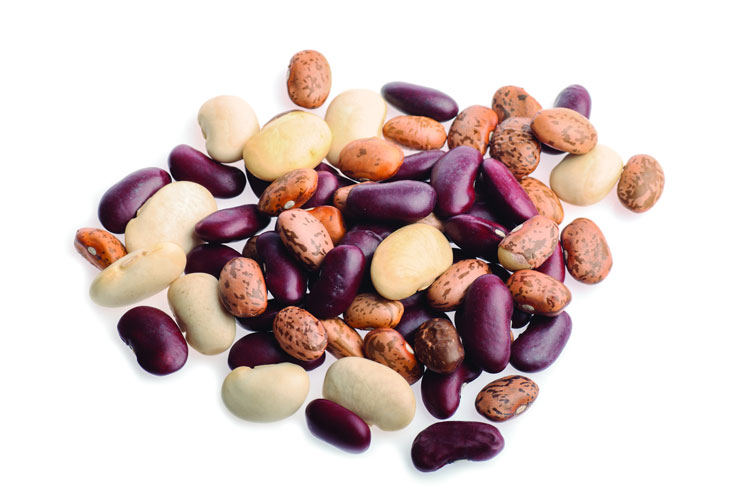
Beans are a great source of calcium, especially navy beans, black beans, white beans, and pinto beans. With so many varieties and options, it’s easy to have beans on the regular… and with over 7 grams of fiber per serving, they’ll help keep you regular with bowel movements as well! Choose beans daily for a dose of calcium, especially if you suffer from weak and brittle bones and teeth. Add them in your soups, salads, sandwiches, pastas, or enjoy them mashed as a spread or dip.

Collard Greens

This comfort food favorite is loaded with calcium – 268mg per cooked cup! Collard greens are rich in calcium and also vitamin A. Regularly eating this veggie can help keep your bones and teeth stronger and also keeps your vision in tip-top shape.

lettuce leaf

Figs

Figs

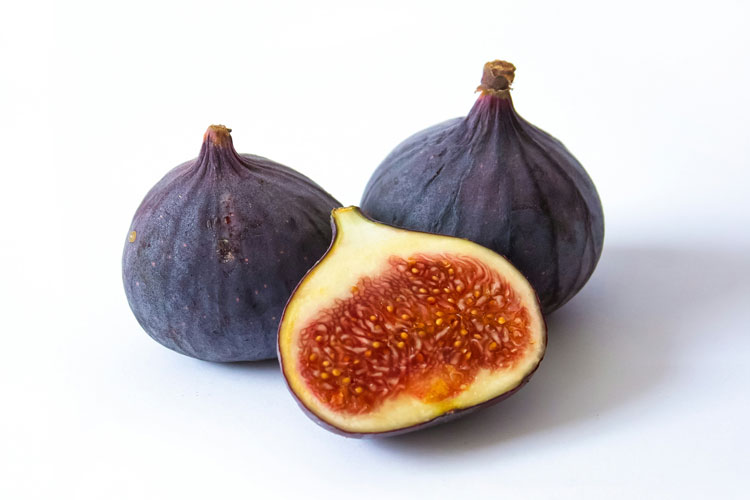
Rich in calcium and great for kids’ bone development, a single fig contains 20mg of calcium. Give them a try for a quick, sweet, calcium-rich snack.

Kale

Used in smoothies, salads, curries, and so much more! Kale is much more than a colorful alternative to lettuce. It’s a superfood! One raw, chopped cup of this leafy-green goodness offers 100 mg of calcium.

KaleInBowl

Oranges

orange

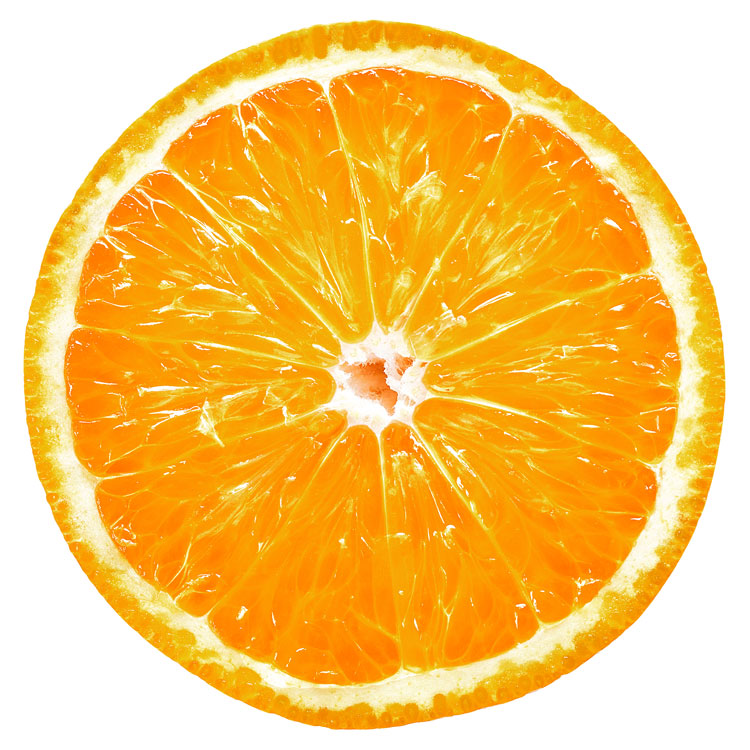
A whole orange contains 65 mg of calcium. You’ll also get 68 mg of vitamin C, which helps your body absorb calcium. Calcium-fortified orange juice is another option for meeting calcium needs. 1 cup of orange juice counts as one serving of fruit, so enjoying juice in moderation can help up your calcium intake. Drinking 100% fruit juice in moderate amounts can be part of a healthy meal pattern, just limit juice to no more than 10 fluid ounces each day.

Tofu

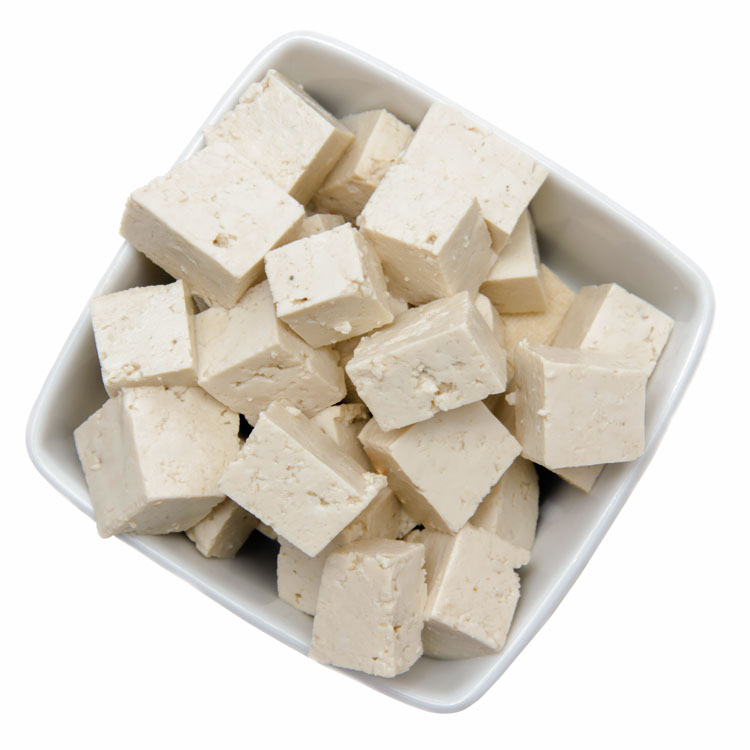
One serving of tofu (about ½ cup) offers more than a third of the calcium you need for the day! It’s also rich in iron, an important mineral the body needs for growth and development. Tofu is a great source of non-animal protein and has a similar texture to meat. It can be used as an alternative to meat in countless recipes and popular dishes.
Tofu

Looking for more dairy-free options?

The table below offers additional ideas for calcium-rich foods, along with about how much calcium each provides.

Food Amount Calcium (mg)
Almonds, dry roasted 1 oz. (about 20 whole almonds) 75
Beans – canned ½ cup 50 –70
Beans, white – canned ½ cup 95
Beans, baked ½ cup 60
Eggs 2 50
Egg substitute ½ cup 180
Hummus ½ cup 60
Salmon, w/ bones – canned 3 oz. 200
Sardines, w/ bones – canned 4 oz. 350
Sesame seeds – roasted 1 oz. 280
Soybeans, green – boiled ½ cup 180
Soybeans, mature – boiled ½ cup 90
Soybean nuts, dry roasted ½ cup 230
Tahini (sesame butter) 2 Tbsp 180
Tempeh ½ cup 75
Tofu, firm, w/ calcium sulfate ½ cup 260
Cereals, calcium-fortified ½ to 1 cup 250 to 1,000
Bread, calcium-fortified 1 slice 175
Brown rice, long grain, raw 1 cup 50
Gingerbread 2 ½ oz. 50
Oatmeal, instant 1 package 125
Pita bread, enriched white 6 ½ inch 50
Tortilla, corn 6 inch 45
Tortilla, flour 10 inch 90
Figs – dried or fresh 5–6 figs 120
Grapefruit juice, calcium-fortified 1 cup 350
Kiwi – raw 1 cup 50
Orange – medium 1 65
Orange juice, calcium-fortified 1 cup 300
Arugula, raw 1 cup 125
Beet greens – cooked ½ cup 80
Bok choy – cooked 1 cup 185
Broccoli, cooked 1 cup 180
Collard greens – cooked 1 cup 268
Kale – cooked 1 cup 100
Kale – raw, chopped 1 cup 100
Okra – cooked ½ cup 50
Rhubarb – frozen, cooked ½ cup 175
Spinach – cooked 1 cup 245
Swiss chard – cooked ½ cup 50
Turnip greens, cooked 1 cup 197
Molasses, blackstrap 1 Tbsp 135

So, how much calcium do you need?

Talk with your or your child’s healthcare provider about your calcium needs. You or your child may need more calcium. The following shows how many milligrams (mg) of calcium are needed daily based on age, gender, and life stage.

Age male female pregnant Breastfeeding
0–6 months 200 mg 200 mg
7–12 months 260 mg 260 mg
1–3 years 700 mg 700 mg
4–8 years 1,000 mg 1,000 mg
9–13 years 1,300 mg 1,300 mg
14 – 18 years 1,300 mg 1,300 mg 1,300 mg 1,300 mg
19–50 years 1,000 mg 1,000 mg 1,000 mg 1,000 mg
51–70 years 1,000 mg 1,200 mg
70 years and older 1,200 mg 1,200 mg
Source: National Institutes of Health, Calcium, https://ods.od.nih.gov/factsheets/Calcium-HealthProfessional/

Looking for a few ways to add more calcium to your meals and snacks? Give one of these dairy-free recipes a try!

Banana-Oat Pancakes

Servings: 2

Ingredients:

  • 2 ripe bananas, mashed (calcium: 6 mg per medium banana)
  • 1 cup rolled oats (calcium: 187 mg per cup)
  • 1 teaspoon baking powder
  • 1/4 teaspoon salt
  • 1/2 cup fortified plant-based milk (such as almond milk) (calcium source: varies by brand; check packaging)

Instructions:

  • Heat a non-stick skillet over medium heat and lightly grease it.
  • In a bowl, mix mashed bananas, oats, baking powder, and salt.
  • Gradually add fortified plant-based milk until the mixture forms a thick batter consistency.
  • Pour batter onto the heated skillet to form pancakes.
  • Cook until bubbles form on the surface, then flip and cook until golden brown on both sides.
  • Serve warm.
  • Calcium sources: Bananas, oats, fortified plant-based milk.
  • Total calcium content: ~193 mg per serving.

Whole Grain Crackers with Almond Butter

Serving: 1

Ingredients:

  • 6 whole grain crackers (calcium source: ~20 mg)
  • 4 tablespoons almond butter (calcium source: almonds - 378 mg per cup)

Instructions:

  • Spread almond butter evenly on crackers.
  • Total calcium content: ~189 mg per serving.

Calcium-Rich Fruit Salad

Servings: 4

Ingredients:

  • 1 cup diced oranges (calcium: 65 mg)
  • 1 cup diced kiwi (calcium: 61 mg)
  • 1 cup diced strawberries (calcium: 24 mg)
  • 1 cup diced pineapple (calcium: 21 mg)

Instructions:

  • Wash and dice all the fruits.
  • Combine all the diced fruits in a bowl.
  • Toss gently and serve chilled.
  • Calcium sources: Oranges, kiwi, strawberries, pineapple.
  • Total calcium content: ~ 43 mg of calcium per serving.

Spinach and White Bean Quesadillas

Serving: 1

Ingredients:

  • Flour tortillas (2 large) (calcium: 90 mg per tortilla)
  • Spinach (1 cup, chopped) (calcium: 30 mg per cup)
  • White beans (1 cup, cooked) (calcium: 161 mg per cup)
  • Red bell pepper (1/2 cup, diced)
  • Avocado (1, mashed)
  • Cumin powder (1 teaspoon)
  • Garlic powder (1/2 teaspoon)
  • Olive oil (2 teaspoons)

Instructions:

  • Heat olive oil in a pan over medium heat.
  • Add chopped spinach and diced bell pepper, sauté until wilted.
  • Add cooked white beans, cumin powder, and garlic powder. Cook for another 2-3 minutes.
  • Lay one tortilla on a flat surface. Spread mashed avocado evenly over the tortilla.
  • Spread the spinach and white bean mixture over the avocado.
  • Place the second tortilla on top.
  • Cook the quesadilla in a skillet over medium heat until both sides are golden brown.
  • Cut into slices and serve.
  • Calcium sources: Spinach, white beans, whole wheat tortillas.
  • Total calcium content: ~371 mg per serving.

Sweet Potato and Black Bean Tacos

Serving: 2 tacos

Ingredients:

  • Flour tortillas (2 large) (calcium: 90 mg per tortilla)
  • Sweet potato (1 medium, diced) (calcium: 31 mg)
  • Black beans (1 cup, cooked) (calcium: 46 mg per half cup)
  • Red onion (1/4 cup, diced)
  • Cilantro (2 tablespoons, chopped)
  • Lime juice (1 tablespoon)
  • Chili powder (1 teaspoon)
  • Salt to taste

Instructions:

  • Steam or microwave diced sweet potato until tender.
  • Warm corn tortillas in a skillet or microwave.
  • In a bowl, mix cooked sweet potato, black beans, diced red onion, chopped cilantro, lime juice, chili powder, and salt.
  • Divide the mixture evenly among the warmed tortillas.
  • Serve immediately.
  • Calcium sources: Flour tortillas, sweet potato, black beans.
  • Total calcium content: ~303 mg of calcium per serving.

Veggie Sticks with Hummus

Serving: 1

Ingredients:

  • 2 medium carrots, cut into sticks (calcium: 42 mg per medium carrot)
  • 2 celery stalks, cut into sticks (calcium: 37 mg per medium celery stalk)
  • 1 bell pepper, sliced (calcium: 10 mg per medium bell pepper)
  • 1 cup hummus (calcium: chickpeas - 80 mg per half cup)

Instructions:

  • Wash and cut vegetables into sticks.
  • Serve with hummus for dipping.
  • Calcium sources: Carrots, celery, bell pepper, chickpeas.
  • Total calcium content: ~ 328 mg of calcium per serving.

Hearty Black Bean Chili

Time: 1 hour 15 minutes
Servings: 6

Ingredients:

  • 1 Tbsp olive oil
  • 1 medium yellow onion, finely chopped (calcium: 25 mg)
  • 1 medium green, yellow, orange or red bell pepper, finely chopped with stem and seeds removed (calcium: 12 mg)
  • 3 Tbsp chili powder
  • 1 tsp ground cumin
  • 1 bay leaf
  • 1/2 Tsp sea salt
  • 1 (28-Oz) can diced tomatoes, with juice (calcium: 41 mg per half cup)
  • 2 (15-Oz) cans black beans, drained and rinsed (calcium: 46 mg per half cup)
  • 1 (15-Oz) can kidney beans, drained and rinsed (calcium: 131 mg per half cup)
  • 1 cup uncooked quinoa (calcium: 17 mg per cup)
  • 2 3/4 cups vegetable stock (calcium: 7 mg per cup)
  • Whole cilantro leaves or parsley, if desired
  • 6 scallions, chopped, If desired

Instructions:

  • Heat olive oil in a large pot over medium-high heat. Add onions and pepper, reducing the heat to medium. Cook, stirring occasionally, until very soft (about 10 minutes).
  • Stir in chili powder, cumin, bay leaf and salt. Cook, stirring often, until spices are fragrant (about 1 minute).
  • Add tomatoes with juice, stir, and reduce the heat to low. Cook, stirring occasionally, for 25-30 minutes.
  • Add beans, quinoa, and stock, cooking for an additional 20 minutes. Taste and adjust seasoning as needed.
  • Serve topped with cilantro and scallions, if desired.
  • Calcium sources: Onion, bell pepper, tomatoes, black beans, kidney beans, quinoa, vegetable stock.
  • Total calcium content: ~114 mg of calcium per serving.

You May Also Like...

March 18, 2026

The 2025-2030 Dietary Guidelines for Americans – What Families Need to Know

The 2025-2030 Dietary Guidelines for AmericansEvery five years, nutrition experts update the Dietary Guidelines for Americans to share the best advice on healthy eating. The 2025–2030 Dietary Guidelines help families…

Read More
1
February 11, 2026

Finding Calm When Life Gets Busy: Stress-Management for Parents

Finding Calm When Life Gets Busy Parenting is full of love, joy, and often times, stress. Between caring for little ones, managing meals, grocery shopping, budgets, jobs, and everything else,…

Read More
2
February 4, 2026

February Is National Heart Month: Simple Ways to Show Your Heart Some Love

Simple Ways to Show Your Heart Some Love Your heart works hard for you every single day.February is National Heart Month – a great time to learn small, simple ways…

Read More
2
  • Infant
    • When to Start Peanut and Egg to Help Prevent Allergies
    • The Basics of Paced Bottle-Feeding
    • How Do I Know If My Baby Could Be Tongue-Tied?
    • Protect Your Baby from Cronobacter
    • Exploring the World with Baby – Sensory Play
  • Children
    • Shopping With Kids: A Simple Way to Help Them Like More Foods
    • Pumpkin Fun: Free and Healthy Activities for Kids Under 5
    • Letting Your Child Play with Food Can Be a Good Thing
    • Is Snack Time Treat Time?
    • Fun Ways to Learn About Healthy Food and Get Moving!
  • General /Family
    • The 2025-2030 Dietary Guidelines for Americans – What Families Need to Know
    • Finding Calm When Life Gets Busy: Stress-Management for Parents
    • February Is National Heart Month: Simple Ways to Show Your Heart Some Love
    • 10 Ways to Enjoy Avocados – And Helpful Tips to Feed with Confidence
    • Food, Feelings, and Finding Balance: Understanding Disordered Eating
  • Women
    • Newborn Hunger Cues: How to Know When Your Baby Is Hungry or Full
    • How to Know Your Baby Is Getting Enough Breastmilk
    • Breastfeeding Through Growth Spurts and Sleep Changes
    • Baby Blues… or Is It Something More?
    • Gut Health and Gestational Diabetes
  • Recipes
    • Heart-Healthy Recipe: Banana Berry Oatmeal Cups
    • Is the Chia Seed Challenge Worth It?
    • Extra Vegetables Quiche
    • Easy Pumpkin Muffins
    • Confetti Bean Salad
LiveWell WIC program logo

    Contact Us

USDA is an equal opportunity provider, employer, and lender.

Cookie PolicyAbout UsPrivacy PolicyTerms of Agreement

© Brush Art Corporation

  • Email
  • SMS
If you are using multiple emails, separate them with commas.

    SMS Communication Consent

    Share

    Share this link via:

    Side Lying Hold

    Side-Lying Hold

    1. For the right breast, lie on your right side with your baby facing you.
    2. Pull your baby close. Your baby’s mouth should be level with your nipple.
    3. In this position, you can cradle your baby’s back with your left arm and support yourself with your right arm and/or pillows.
    4. Keep loose clothing and bedding away from your baby.
    5. Reverse for the left breast.

    This hold is useful when:

    • You had a C-section
    • You want to rest while baby feeds
    • You are breastfeeding in the middle of the night
    • You and your baby are comfortable in this position
    Wooden carved fork resting on the edge

    Cross-Cradle Hold

    1. For the right breast, use your left arm to hold your baby’s head at your right breast and baby’s body toward your left side. A pillow across your lap can help support your left arm.
    2. Gently place your left hand behind your baby’s ears and neck, with your thumb and index finger behind each ear and your palm between baby’s shoulder blades. Turn your baby’s body toward yours so your tummies are touching.
    3. Hold your breast as if you are squeezing a sandwich. To protect your back, avoid leaning down to your baby. Instead, bring your baby to you.
    4. As your baby’s mouth opens, push gently with your left palm on baby’s head to help them latch on. Make sure you keep your fingers out of the way.
    5. Reverse for the left breast.

    This hold is useful when:

    • Your baby is premature
    • Your baby has a weak suck
    • Your baby needs help to stay latched
    • Your baby needs extra head support
    • You and your baby are comfortable in this position
    Woman with shopping bag

    Clutch or “Football” Hold

    1. For the right breast, hold your baby level, facing up, at your right side.
    2. Put your baby’s head near your right nipple and support their back and legs under your right arm.
    3. Hold the base of your baby’s head with your right palm. A pillow underneath your right arm can help support your baby’s weight.
    4. To protect your back, avoid leaning down to your baby. Bring baby to you instead.
    5. Reverse for the left breast.

    This hold is useful when:

    • You had a C-section
    • You have large breasts
    • You have flat or inverted nipples
    • You have a strong milk let-down
    • You are breastfeeding twins
    • Your baby likes to feed in an upright position
    • Your baby has reflux
    • You and your baby are comfortable in this position
    Cartoon-style abstract bird silhouette

    Cradle Hold

    1. For the right breast, cradle your baby with your right arm. Your baby will be on their left side across your lap, facing you at nipple level.
    2. Your baby’s head will rest on your right forearm with your baby’s back along your inner arm and palm.
    3. Turn your baby’s tummy toward your tummy. Your left hand is free to support your breast, if needed. Pillows can help support your arm and elbow.
    4. To protect your back, avoid leaning down to your baby. Instead, bring your baby to you.
    5. Reverse for the left breast.

    This hold is useful when:

    • Your baby needs help latching on
    • You and your baby are comfortable in this position
    Abstract geometric shapes in pastel

    Laid-Back Hold

    1. Lean back on a pillow with your baby’s tummy touching yours and their head at breast level. Some moms find that sitting up nearly straight works well. Others prefer to lean back and lie almost flat.
    2. You can place your baby’s cheek near your breast, or you may want to use one hand to hold your breast near your baby. It’s up to you and what you think feels best.
    3. Your baby will naturally find your nipple, latch, and begin to suckle.

    This hold is useful when:

    • Your baby is placed on your chest right after birth
    • You have a strong milk let-down
    • You have large breasts
    • You and your baby are comfortable in this position