Skip to Content Skip to Footer
LiveWell WIC logo
Livewell Wic
  • Home
  • Ellyn Satter
    • Ellyn Satter
      Prenatal / Postpartum
    • Ellyn Satter
      Newborn / Infant
    • Ellyn Satter
      Older Baby / Almost Toddler
    • Ellyn Satter
      Toddler / Preschooler
  • Breastfeeding
  • Eat·Grow·Live Healthy
    • Eat·Grow·Live Healthy
      Women
    • Eat·Grow·Live Healthy
      Infants
    • Eat·Grow·Live Healthy
      Children
    • Eat·Grow·Live Healthy
      Fathers
  • Live Well Blog
  • Español
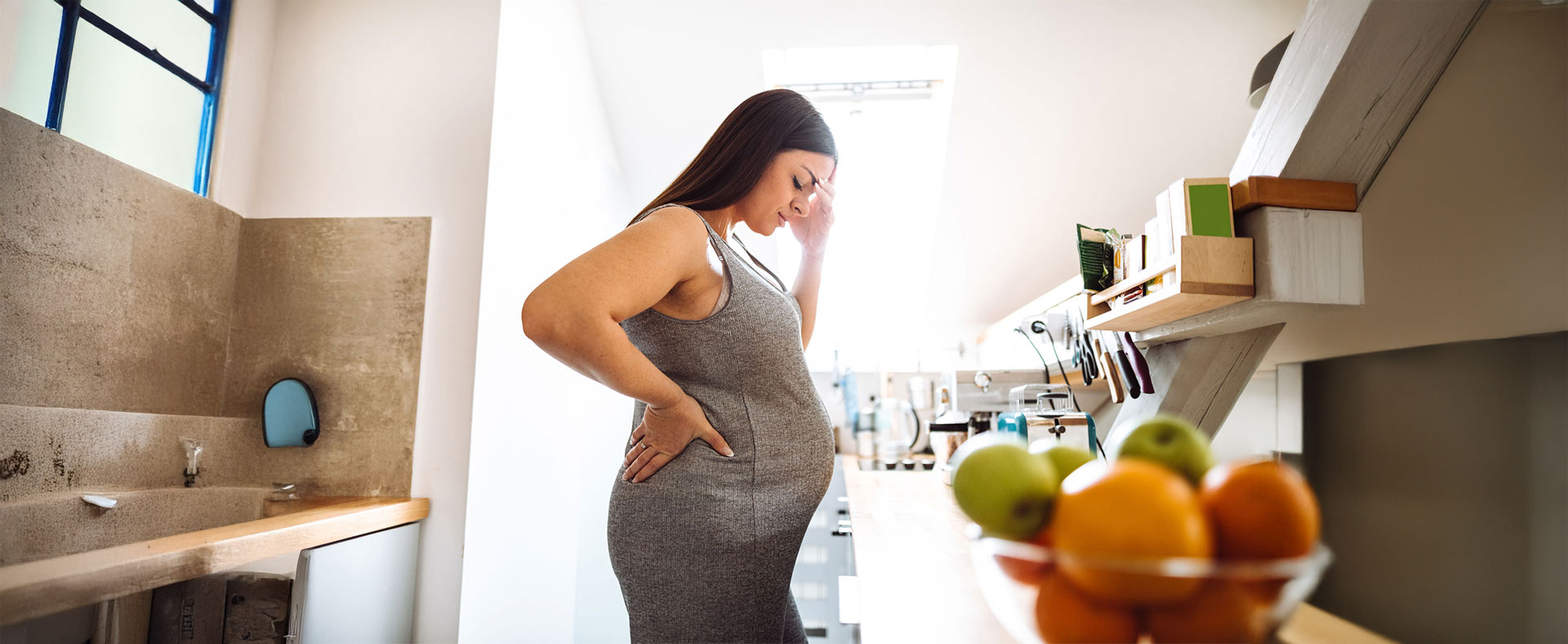
pragnent-women-banner

Managing Morning Sickness

  • Home
  • Live Well Blog
  • Managing Morning Sickness
April 9, 2025 Women

Feeling queasy?

It might be one of the first signs of pregnancy.

Morning sickness—also called Nausea and Vomiting of Pregnancy (NVP)—is very common, so you’re not alone!

morning-sickness

Morning Sickness Facts

Severe-nausea-icon
Severe nausea and vomiting is called hyperemesis gravidarum (HG).

If you lose 5% or more of your body weight and become dehydrated, you may need medical care, including IV fluids.

week-of-pragnancy
It usually starts before the 9th week of pregnancy

and fades by the 14th week. For some women, it lasts longer – even the whole pregnancy.

sun-svg-icon
Despite the name, morning sickness can happen anytime

– day or night.

pragnancy-icon
There’s a silver lining!

Studies show it may lower the risk of miscarriage by 50-75%.

What to Eat and Drink

Eat What Sounds Good

Some women find that crackers and soda help, while others prefer a bean burrito. Try to choose nutritious foods when you can, but don’t worry if your diet isn’t perfect. Once nausea improves, you can focus on eating healthier.

Don’t Skip Meals

An empty stomach can make nausea worse. Eat small meals and snacks throughout the day.

Keep easy-to-grab foods in your purse or car, like:

  • Crackers
  • Cereal
  • Dried fruit
  • Granola or protein bars
  • Pretzels
Stay Hydrated

Dehydration is dangerous for both you and your baby. Try to drink at least eight glasses of fluids daily.

helpfull-drinks

Helpful drinks include:

  • Lemonade
  • Water or sparkling water with lemon or lime
  • Ginger ale or ginger tea
  • Lemon-lime soda

You can also get fluids from foods like:

  • Ice chips or popsicles
  • Soups
  • Fruits (strawberries, oranges, grapes, melons, peaches)
  • Veggies (cucumber, zucchini, lettuce, bell peppers, celery, cabbage)
  • Dairy (yogurt, cottage cheese)

If you’re vomiting, eat foods high in potassium, like:

  • Bananas
  • Oranges or orange juice
  • Papaya and mango
  • Yogurt and cottage cheese
  • Beans (pinto, white beans, lentils)
  • Tomato sauce, potatoes, sweet potatoes, avocado, and spinach
  • Coconut water or electrolyte drinks

Managing Triggers

cross-icon
Avoid Strong Smells

Pregnancy can make your sense of smell extra sensitive. Smells you used to like may now cause you to run for the restroom.

Some scents that might trigger nausea include:

  • Cooking odors
  • Perfume or cologne
  • Cleaning products and air fresheners
  • Cigarette smoke (which is harmful during pregnancy)
Get Plenty of Rest

Lying down in a quiet, dark room or taking a short nap can help ease nausea.
eat-medicine
More Tips for Easing Nausea
  • Drink fluids between meals, not with them.
  • Have a bedtime snack to keep your stomach from getting empty overnight.
  • Keep crackers or dry cereal by your bed and eat a few before getting up.
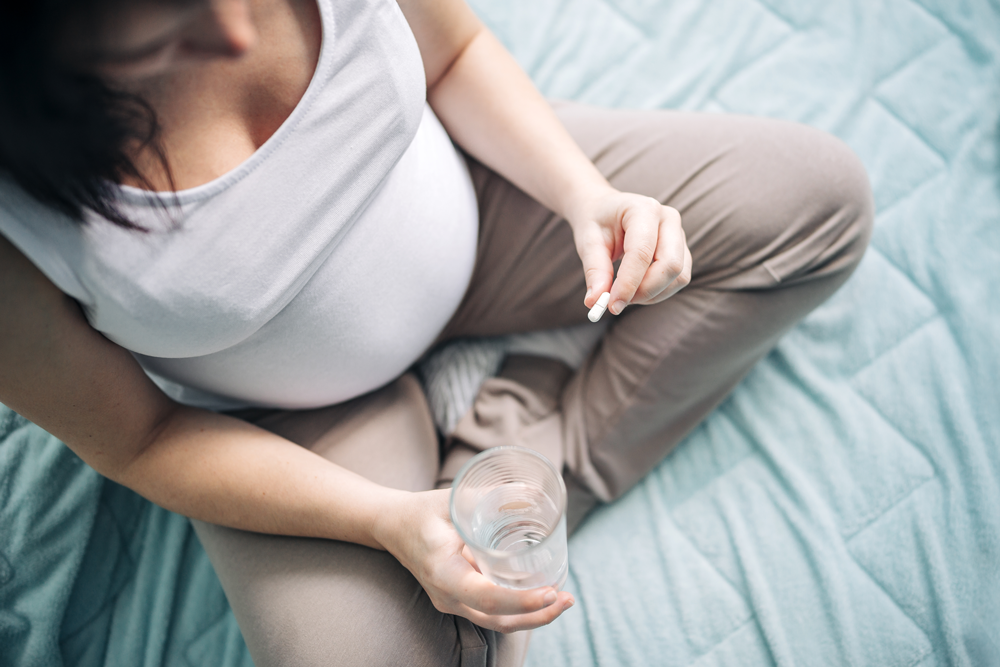
  • If your prenatal vitamin makes you nauseous, take it at bedtime or ask your provider about other options.
  • Avoid greasy and spicy foods if they make you feel worse.
  • Keep a food diary to track what helps and what doesn’t.
  • Contact your healthcare provider if you’re losing weight.
Quick and Healthy Mini Meals

These snacks are easy to digest and packed with nutrients:

  • Cottage cheese with peaches, mango, or papaya
  • Baked potato with cheese
  • Spinach salad with tomatoes and beans
  • Smoothie with yogurt and bananas or strawberries
  • Hot cereal with milk
  • Overnight oats with milk and yogurt
  • Chicken tortilla soup with avocado
  • Bean dip with avocados or guacamole
  • Avocado stuffed with tuna salad
  • Lentil soup
healthy-mini-meals

Managing morning sickness can be tough, but small changes can make a big difference.

Listen to your body, rest when needed, and don’t hesitate to reach out to WIC for support!

REFERENCES

National Institutes of Health. (2016, September 26). NIH study links morning sickness to lower risk of pregnancy loss. U.S. Department of Health and Human Services.
https://www.nih.gov/news-events/news-releases/nih-study-links-morning-sickness-lower-risk-pregnancy-loss

Mayo Clinic Staff. (2022, March 10). Is nausea during pregnancy a good sign? Mayo Clinic.
https://www.mayoclinic.org/healthy-lifestyle/pregnancy-week-by-week/expert-answers/nausea-during-pregnancy/faq-20057917

American College of Obstetricians and Gynecologists. (2023). Morning sickness: Nausea and vomiting of pregnancy.
https://www.acog.org/womens-health/faqs/morning-sickness-nausea-and-vomiting-of-pregnancy

Kubala, J. (2020, August 9). 19 water-rich foods that help you stay hydrated. Healthline.
https://www.healthline.com/nutrition/19-hydrating-foods#TOC_TITLE_HDR_19

Kubala, J. (2020, June 22). 14 healthy foods that are high in potassium. Healthline.
https://www.healthline.com/nutrition/high-potassium-foods#TOC_TITLE_HDR_6

Author: Bridget Swinney, MS, RDN

You May Also Like...

March 25, 2026

Newborn Hunger Cues: How to Know When Your Baby Is Hungry or Full

Knowing when your baby is hungry, and when they are full, can help feeding feel easier and less stressful. Newborns usually eat 8 to 12 times each day, so learning…

Read More
1
March 11, 2026

How to Know Your Baby Is Getting Enough Breastmilk

Many parents worry if their baby is getting enough breastmilk. The good news is your baby will give you signs. Here are some simple ways to tell: Steady Weight Gain…

Read More
1
February 25, 2026

Breastfeeding Through Growth Spurts and Sleep Changes

Breastfeeding Through Growth Spurts and Sleep Changes Breastfeeding can feel confusing when your baby suddenly wants to eat more or wakes up more often. The good news is this is…

Read More
1
  • Infant
    • When to Start Peanut and Egg to Help Prevent Allergies
    • The Basics of Paced Bottle-Feeding
    • How Do I Know If My Baby Could Be Tongue-Tied?
    • Protect Your Baby from Cronobacter
    • Exploring the World with Baby – Sensory Play
  • Children
    • Shopping With Kids: A Simple Way to Help Them Like More Foods
    • Pumpkin Fun: Free and Healthy Activities for Kids Under 5
    • Letting Your Child Play with Food Can Be a Good Thing
    • Is Snack Time Treat Time?
    • Fun Ways to Learn About Healthy Food and Get Moving!
  • General /Family
    • The 2025-2030 Dietary Guidelines for Americans – What Families Need to Know
    • Finding Calm When Life Gets Busy: Stress-Management for Parents
    • February Is National Heart Month: Simple Ways to Show Your Heart Some Love
    • 10 Ways to Enjoy Avocados – And Helpful Tips to Feed with Confidence
    • Food, Feelings, and Finding Balance: Understanding Disordered Eating
  • Women
    • Newborn Hunger Cues: How to Know When Your Baby Is Hungry or Full
    • How to Know Your Baby Is Getting Enough Breastmilk
    • Breastfeeding Through Growth Spurts and Sleep Changes
    • Baby Blues… or Is It Something More?
    • Gut Health and Gestational Diabetes
  • Recipes
    • Heart-Healthy Recipe: Banana Berry Oatmeal Cups
    • Is the Chia Seed Challenge Worth It?
    • Extra Vegetables Quiche
    • Easy Pumpkin Muffins
    • Confetti Bean Salad
LiveWell WIC program logo

Contact Us

USDA is an equal opportunity provider, employer, and lender.

Cookie PolicyAbout UsPrivacy PolicyTerms of Agreement

© Brush Art Corporation

  • Email
  • SMS
If you are using multiple emails, separate them with commas.

    SMS Communication Consent

    Share

    Share this link via:

    Side Lying Hold

    Side-Lying Hold

    1. For the right breast, lie on your right side with your baby facing you.
    2. Pull your baby close. Your baby’s mouth should be level with your nipple.
    3. In this position, you can cradle your baby’s back with your left arm and support yourself with your right arm and/or pillows.
    4. Keep loose clothing and bedding away from your baby.
    5. Reverse for the left breast.

    This hold is useful when:

    • You had a C-section
    • You want to rest while baby feeds
    • You are breastfeeding in the middle of the night
    • You and your baby are comfortable in this position
    Wooden carved fork resting on the edge

    Cross-Cradle Hold

    1. For the right breast, use your left arm to hold your baby’s head at your right breast and baby’s body toward your left side. A pillow across your lap can help support your left arm.
    2. Gently place your left hand behind your baby’s ears and neck, with your thumb and index finger behind each ear and your palm between baby’s shoulder blades. Turn your baby’s body toward yours so your tummies are touching.
    3. Hold your breast as if you are squeezing a sandwich. To protect your back, avoid leaning down to your baby. Instead, bring your baby to you.
    4. As your baby’s mouth opens, push gently with your left palm on baby’s head to help them latch on. Make sure you keep your fingers out of the way.
    5. Reverse for the left breast.

    This hold is useful when:

    • Your baby is premature
    • Your baby has a weak suck
    • Your baby needs help to stay latched
    • Your baby needs extra head support
    • You and your baby are comfortable in this position
    Woman with shopping bag

    Clutch or “Football” Hold

    1. For the right breast, hold your baby level, facing up, at your right side.
    2. Put your baby’s head near your right nipple and support their back and legs under your right arm.
    3. Hold the base of your baby’s head with your right palm. A pillow underneath your right arm can help support your baby’s weight.
    4. To protect your back, avoid leaning down to your baby. Bring baby to you instead.
    5. Reverse for the left breast.

    This hold is useful when:

    • You had a C-section
    • You have large breasts
    • You have flat or inverted nipples
    • You have a strong milk let-down
    • You are breastfeeding twins
    • Your baby likes to feed in an upright position
    • Your baby has reflux
    • You and your baby are comfortable in this position
    Cartoon-style abstract bird silhouette

    Cradle Hold

    1. For the right breast, cradle your baby with your right arm. Your baby will be on their left side across your lap, facing you at nipple level.
    2. Your baby’s head will rest on your right forearm with your baby’s back along your inner arm and palm.
    3. Turn your baby’s tummy toward your tummy. Your left hand is free to support your breast, if needed. Pillows can help support your arm and elbow.
    4. To protect your back, avoid leaning down to your baby. Instead, bring your baby to you.
    5. Reverse for the left breast.

    This hold is useful when:

    • Your baby needs help latching on
    • You and your baby are comfortable in this position
    Abstract geometric shapes in pastel

    Laid-Back Hold

    1. Lean back on a pillow with your baby’s tummy touching yours and their head at breast level. Some moms find that sitting up nearly straight works well. Others prefer to lean back and lie almost flat.
    2. You can place your baby’s cheek near your breast, or you may want to use one hand to hold your breast near your baby. It’s up to you and what you think feels best.
    3. Your baby will naturally find your nipple, latch, and begin to suckle.

    This hold is useful when:

    • Your baby is placed on your chest right after birth
    • You have a strong milk let-down
    • You have large breasts
    • You and your baby are comfortable in this position