

Skip to Content Skip to Footer
LiveWell WIC logo
Livewell Wic
  • Home
  • Ellyn Satter
    • Ellyn Satter
      Prenatal / Postpartum
    • Ellyn Satter
      Newborn / Infant
    • Ellyn Satter
      Older Baby / Almost Toddler
    • Ellyn Satter
      Toddler / Preschooler
  • Breastfeeding
  • Eat·Grow·Live Healthy
    • Eat·Grow·Live Healthy
      Women
    • Eat·Grow·Live Healthy
      Infants
    • Eat·Grow·Live Healthy
      Children
    • Eat·Grow·Live Healthy
      Fathers
  • Live Well Blog
  • Español
Baby crawling

The Importance of Developmental Milestones

  • Home
  • Live Well Blog
  • The Importance of Developmental Milestones
April 17, 2024 Infant

As a parent, you’re probably familiar with questions about your baby’s development and achievements at each doctor’s visit. And as you observe your little one’s daily discoveries, you might wonder about the significance of these developmental milestones. Let’s explore what these milestones are and why they hold so much importance in your child’s early years.

Developmental milestones refer to the various skills, behaviors, and abilities that children typically achieve at specific ages during infancy and early childhood. These milestones are key indicators of your child’s growth and progress in different areas of their development.

THE FIVE CRUCIAL AREAS OF DEVELOPMENT

There are five essential areas in which your child achieves developmental milestones:

  • Physical Development: involves actions like lifting their head, rolling over, using their arms and legs, crawling, and eventually walking.
  • Communication: starts with simple actions like sucking and swallowing, then progresses to making sounds, eating solid foods, and ultimately, talking.
  • Social Emotional Development: covers skills like recognizing emotions, interacting with others, smiling, and taking pride in their achievements.
  • Adaptive Skills: practical abilities, such as using a fork, pulling off socks, self-feeding, sleeping through the night, and dressing themselves.
  • Cognitive Development: responding to sounds, locating hidden objects, following instructions, matching items, and engaging in imaginative play.

THE JOURNEY THROUGH MILESTONES

Developmental milestone skills are divided into age ranges, each building upon previous skills to create a foundation for more advanced abilities. This step-by-step progression is crucial for your child’s development. Here are some of the skills that can be expected for each developmental area by age.

0–3 Months

4–6 Months

7–9 Months

9-12 MONTHS

Physical Development

  • Lifts head briefly
  • Moves arms and legs actively
  • Rolls over from stomach to back
  • Pushes up on arms when lying on stomach
  • Reaches for and grasps objects
  • Sits without support
  • Crawls or scoots
  • Pulls up to stand with support
  • Stands without support
  • Takes first steps with assistance

Communication

  • Cooing and making simple sounds
  • Babbling and imitating speech sounds
  • Experimenting with different speech sounds
  • Responds to name
  • Uses gestures like waving
  • Says simple words like “mama” and “dada”

Social Emotional Development

  • Smiles in response to familiar faces
  • Laughs and shows excitement
  • Displays stranger anxiety
  • Enjoys peek-a-boo games
  • Expresses different emotions
  • Starts playing interactive games
  • Waves goodbye and plays interactive games

Adaptive Skills

  • Sucking and swallowing
  • Holds objects and brings them to mouth
  • Begins exploring objects with hands and mouth
  • Finger feeds and holds bottle
  • Learns to hold utensils
  • Uses spoon or fork to self-feed

Cognitive Development

  • Follows objects with eyes
  • Explores objects with mouth and hands
  • Begins understanding object permanence (understanding things exist even if you can’t see/hear them)
  • Searches for hidden objects
  • Starts following simple directions
  • Responds to simple instructions

Physical Development

0–3 Months

  • Lifts head briefly
  • Moves arms and legs actively

4–6 Months

  • Rolls over from stomach to back
  • Pushes up on arms when lying on stomach
  • Reaches for and grasps objects

7–9 Months

  • Sits without support
  • Crawls or scoots
  • Pulls up to stand with support

9-12 MONTHS

  • Stands without support
  • Takes first steps with assistance

Communication

0–3 Months

  • Cooing and making simple sounds

4–6 Months

  • Babbling and imitating speech sounds
  • Experimenting with different speech sounds

7–9 Months

  • Responds to name
  • Uses gestures like waving

9-12 MONTHS

  • Says simple words like “mama” and “dada”

Social Emotional Development

0–3 Months

  • Smiles in response to familiar faces

4–6 Months

  • Laughs and shows excitement
  • Displays stranger anxiety

7–9 Months

  • Enjoys peek-a-boo games
  • Expresses different emotions
  • Starts playing interactive games

9-12 MONTHS

  • Waves goodbye and plays interactive games

Adaptive Skills

0–3 Months

  • Sucking and swallowing

4–6 Months

  • Holds objects and brings them to mouth
  • Begins exploring objects with hands and mouth

7–9 Months

  • Finger feeds and holds bottle
  • Learns to hold utensils

9-12 MONTHS

  • Uses spoon or fork to self-feed

Cognitive Development

0–3 Months

  • Follows objects with eyes

4–6 Months

  • Explores objects with mouth and hands
  • Begins understanding object permanence (understanding things exist even if you can’t see/hear them)

7–9 Months

  • Searches for hidden objects
  • Starts following simple directions

9-12 MONTHS

  • Responds to simple instructions

THE LIFELONG IMPACT OF MILESTONES

The milestones your child achieves during early childhood have a lasting impact on their adult life. From fundamental abilities like walking and talking, to complex tasks such as time management and problem-solving, these milestones play a role in shaping their future.

As a parent, it’s easy to overlook the significance of
every small achievement. Yet, each smile, each new
word, and every step taken is a step towards growth
and independence.

Many milestones are achieved through play, sensory exploration, and interactions with you and your family. Encouraging playtime and engaging with your child is an essential part of fostering their development.

NAVIGATING DEVELOPMENTAL MILESTONES

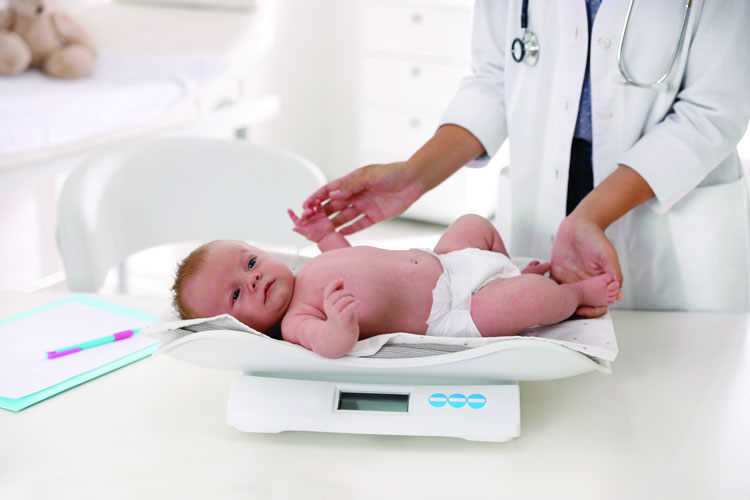
During medical appointments, answering developmental questionnaires truthfully helps you track your child’s progress accurately. Don’t worry; these assessments are meant to support your child’s development, not judge your parenting skills. Being honest is the best way to help your child succeed.
dr weighing baby

SEEKING GUIDANCE

If you notice any concerns or if your child’s progress seems slower than expected, don’t hesitate to seek help. Your child’s healthcare provider or an early intervention agency can provide valuable assistance. Early intervention is crucial, as some challenges can be addressed effectively with timely support. Ask WIC! They may be able to help guide you to the services you need.

Understanding the importance of developmental milestones empowers you as a parent. By staying informed and celebrating each milestone, you’re giving your child the best chance to reach their full potential. Remember, you’re not alone in this journey, and there’s help available whenever you need it. Your dedication and guidance will guide your child towards a bright and successful future!

You May Also Like...

April 1, 2026

When to Start Peanut and Egg to Help Prevent Allergies

How Starting Solid Foods at the Right Time May Help Prevent Food Allergies Years ago, parents were told to wait before giving babies foods that might cause allergies. Some pregnant…

Read More
1
December 17, 2025

The Basics of Paced Bottle-Feeding

The Basics of Paced Bottle-Feeding Paced bottle-feeding helps your baby eat slowly and take breaks – just like they would if they were breastfeeding. It can also help prevent overfeeding…

Read More
4
December 3, 2025

How Do I Know If My Baby Could Be Tongue-Tied?

How Do I Know If My Baby Could Be Tongue-Tied?A tongue-tie happens when the little string under your baby’s tongue is too tight or short. This can make it hard…

Read More
0
  • Infant
    • When to Start Peanut and Egg to Help Prevent Allergies
    • The Basics of Paced Bottle-Feeding
    • How Do I Know If My Baby Could Be Tongue-Tied?
    • Protect Your Baby from Cronobacter
    • Exploring the World with Baby – Sensory Play
  • Children
    • Shopping With Kids: A Simple Way to Help Them Like More Foods
    • Pumpkin Fun: Free and Healthy Activities for Kids Under 5
    • Letting Your Child Play with Food Can Be a Good Thing
    • Is Snack Time Treat Time?
    • Fun Ways to Learn About Healthy Food and Get Moving!
  • General /Family
    • The 2025-2030 Dietary Guidelines for Americans – What Families Need to Know
    • Finding Calm When Life Gets Busy: Stress-Management for Parents
    • February Is National Heart Month: Simple Ways to Show Your Heart Some Love
    • 10 Ways to Enjoy Avocados – And Helpful Tips to Feed with Confidence
    • Food, Feelings, and Finding Balance: Understanding Disordered Eating
  • Women
    • Newborn Hunger Cues: How to Know When Your Baby Is Hungry or Full
    • How to Know Your Baby Is Getting Enough Breastmilk
    • Breastfeeding Through Growth Spurts and Sleep Changes
    • Baby Blues… or Is It Something More?
    • Gut Health and Gestational Diabetes
  • Recipes
    • Heart-Healthy Recipe: Banana Berry Oatmeal Cups
    • Is the Chia Seed Challenge Worth It?
    • Extra Vegetables Quiche
    • Easy Pumpkin Muffins
    • Confetti Bean Salad
LiveWell WIC program logo

    Contact Us

USDA is an equal opportunity provider, employer, and lender.

Cookie PolicyAbout UsPrivacy PolicyTerms of Agreement

© Brush Art Corporation

  • Email
  • SMS
If you are using multiple emails, separate them with commas.

    SMS Communication Consent

    Share

    Share this link via:

    Side Lying Hold

    Side-Lying Hold

    1. For the right breast, lie on your right side with your baby facing you.
    2. Pull your baby close. Your baby’s mouth should be level with your nipple.
    3. In this position, you can cradle your baby’s back with your left arm and support yourself with your right arm and/or pillows.
    4. Keep loose clothing and bedding away from your baby.
    5. Reverse for the left breast.

    This hold is useful when:

    • You had a C-section
    • You want to rest while baby feeds
    • You are breastfeeding in the middle of the night
    • You and your baby are comfortable in this position
    Wooden carved fork resting on the edge

    Cross-Cradle Hold

    1. For the right breast, use your left arm to hold your baby’s head at your right breast and baby’s body toward your left side. A pillow across your lap can help support your left arm.
    2. Gently place your left hand behind your baby’s ears and neck, with your thumb and index finger behind each ear and your palm between baby’s shoulder blades. Turn your baby’s body toward yours so your tummies are touching.
    3. Hold your breast as if you are squeezing a sandwich. To protect your back, avoid leaning down to your baby. Instead, bring your baby to you.
    4. As your baby’s mouth opens, push gently with your left palm on baby’s head to help them latch on. Make sure you keep your fingers out of the way.
    5. Reverse for the left breast.

    This hold is useful when:

    • Your baby is premature
    • Your baby has a weak suck
    • Your baby needs help to stay latched
    • Your baby needs extra head support
    • You and your baby are comfortable in this position
    Woman with shopping bag

    Clutch or “Football” Hold

    1. For the right breast, hold your baby level, facing up, at your right side.
    2. Put your baby’s head near your right nipple and support their back and legs under your right arm.
    3. Hold the base of your baby’s head with your right palm. A pillow underneath your right arm can help support your baby’s weight.
    4. To protect your back, avoid leaning down to your baby. Bring baby to you instead.
    5. Reverse for the left breast.

    This hold is useful when:

    • You had a C-section
    • You have large breasts
    • You have flat or inverted nipples
    • You have a strong milk let-down
    • You are breastfeeding twins
    • Your baby likes to feed in an upright position
    • Your baby has reflux
    • You and your baby are comfortable in this position
    Cartoon-style abstract bird silhouette

    Cradle Hold

    1. For the right breast, cradle your baby with your right arm. Your baby will be on their left side across your lap, facing you at nipple level.
    2. Your baby’s head will rest on your right forearm with your baby’s back along your inner arm and palm.
    3. Turn your baby’s tummy toward your tummy. Your left hand is free to support your breast, if needed. Pillows can help support your arm and elbow.
    4. To protect your back, avoid leaning down to your baby. Instead, bring your baby to you.
    5. Reverse for the left breast.

    This hold is useful when:

    • Your baby needs help latching on
    • You and your baby are comfortable in this position
    Abstract geometric shapes in pastel

    Laid-Back Hold

    1. Lean back on a pillow with your baby’s tummy touching yours and their head at breast level. Some moms find that sitting up nearly straight works well. Others prefer to lean back and lie almost flat.
    2. You can place your baby’s cheek near your breast, or you may want to use one hand to hold your breast near your baby. It’s up to you and what you think feels best.
    3. Your baby will naturally find your nipple, latch, and begin to suckle.

    This hold is useful when:

    • Your baby is placed on your chest right after birth
    • You have a strong milk let-down
    • You have large breasts
    • You and your baby are comfortable in this position